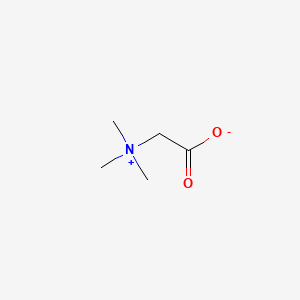
BETAINE
CAS 107-43-7/ 590-47-6 · humectant · EC 203-490-6/ 209-684-7 · KR 베타인
Methanaminium, 1-carboxy-N,N,N-trimethyl-, hydroxide, inner salt
BETAINE is a humectant ingredient used in skincare formulations.
Quick facts
Description: BETAINE — hydration, soothing, osmoprotectant.
All Functions: hydration, soothing, osmoprotectant
Quick Facts:
- Category: humectant
Proven Benefits At A Glance:
- Betaine (specifically cocamidopropyl betaine) is a surfactant derived from coconut oil used in shampoos, cleansers, and other personal care products
- It’s chosen by formulators because it creates mild skin irritation compared to other detergents, helps with foaming, and is readily biodegradable
- Between 3–7.2% of people may develop delayed allergic reactions to it, leading to it being named Allergen of the Year in 2004
- When used at approved concentrations in rinse-off and leave-on products, the safety margin is considered greater than 100, meaning systemic exposure is well below harmful levels
- Allergic reactions typically appear on the head and neck but can occur elsewhere; hairdressers are at higher occupational risk
Chemical Overview
Glycine betaine is the amino acid betaine derived from glycine. It has a role as a fundamental metabolite. It is an amino-acid betaine and a glycine derivative. It is a conjugate base of a N,N,N-trimethylglycinium. The CIR Expert Panel concluded that the eleven alkyl betaines listed below are safe in the present practices of use and concentration in cosmetics, when formulated to be non-irritating…Betaine… Betaine is a methyl group donor that functions in the normal metabolic cycle of methionine. It is a naturally occurring choline derivative commonly ingested through diet, with a role in regulating cellular hydration and maintaining cell function. Homocystinuria is an inherited disorder that leads to the accumulation of homocysteine in plasma and urine. Currently, no treatments are available to correct the genetic causes of homocystinuria. However, in order to normalize homocysteine levels, patients can be treated with vitamin B6 ([pyridoxine]), vitamin B12 ([cobalamin]), [folate] and specific diets. Betaine reduces plasma homocysteine levels in patients with homocystinuria. Although it is present in many food products, the levels found there are insufficient to treat this condition. The FDA and EMA have approved the product Cystadane (betaine anhydrous, oral solution) for the treatment of homocystinuria, and the EMA has approved the use of Amversio (betaine anhydrous, oral powder).
Source(s): DrugBank, Cosmetic Ingredient Review (CIR), ChEBI, via PubChem
Comedogenicity
Similar Ingredients

📰 More News
-
The CCL20-CCR6 axis predominantly drives IL-17-mediated psoriasis while modestly contributing to papain-induced type 2 inflammation
PubMed · Jul 11, 2026
-
SkinCeuticals Just Reformulated Its C E Ferulic Serum
Allure · Jul 20, 2026
-
Are Sunscreen Oils Just Tanning Oils in Disguise? Experts Weigh In
Allure · Jul 20, 2026
-
Update to RIFM fragrance ingredient safety assessment, propenylguaethol, CAS Registry Number 94-86-0
PubMed · Jul 20, 2026
-
Earth Harbor Obscura Night Repair Concentrate Review
Allure · Jul 21, 2026
-
Okay, We’ll Bite: Fruity Perfumes Are Cool
Allure · Jul 21, 2026