Mia Seilern
ISOPROPYL MYRISTATE
⚠️ Data is provided for informational purposes only. It may contain inaccuracies and should be independently verified. This is not medical advice. Consult a healthcare professional before making health decisions.

Description: ISOPROPYL MYRISTATE — emollient, penetration enhancer.

All Functions: emollient, penetration enhancer

Quick Facts:

  • Category: emollient
  • Comedogenic Rating: 5/5

Proven Benefits At A Glance:

  • Isopropyl myristate (IPM) is a long-chain hydrophobic ester—a type of oil-like ingredient
  • IPM can be used as a vehicle (delivery system) to help move ingredients through skin layers
  • IPM behaves differently depending on what other ingredients are mixed with it
  • Research has mostly studied IPM in drug delivery rather than cosmetic skincare
  • IPM alone is not an effective model for predicting how things move through actual human skin
Safety: CautionResearch confidence: GoodCommon fungal-acne trigger

Safety tier is a starting heuristic from regulatory status and comedogenic rating, not a dermatological verdict — see our Terms for the full disclaimer. Research confidence reflects how many real cited studies back this ingredient, not the strength of their findings.

Pregnancy safe

🧪 ISOPROPYL MYRISTATE

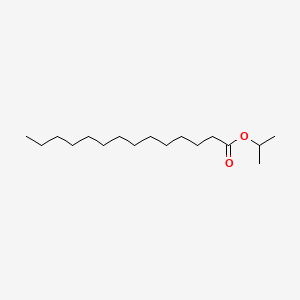
Chemical structure of ISOPROPYL MYRISTATE

ISOPROPYL MYRISTATE

CAS Number: 110-27-0

Also Known As:

Category: emollient

EC Number: 203-751-4

Korean Name: 아이소프로필미리스테이트

Tetradecanoic acid, isopropyl ester

ISOPROPYL MYRISTATE is an emollient ingredient used in skincare formulations.

emollientpenetration enhancer

🌍 Regulatory Status

EU: No restriction on fileUS: No restriction on file

📊 Comedogenicity

🟥🟥🟥🟥🟥

5/5

📚 Research & Evidence

PUBMED CITATIONS
5
Data sources: EU CosIng PubMed

🔬 The Science

Isopropyl myristate is a type of chemical compound classified as a long-chain hydrophobic ester, meaning it’s oil-like and doesn’t mix well with water (Int J Pharm, 2005). When used in skincare formulations, IPM functions as a vehicle or delivery system rather than an active ingredient itself. Here’s what the research actually shows:

#1: How IPM moves through skin depends on what you mix it with. When IPM is combined with ethanol (alcohol), it can help lipophilic (fat-loving) drugs partition more effectively into the outer layer of skin called the stratum corneum, compared to IPM alone (Int J Pharm, 2001). Similarly, when IPM is paired with another ingredient called glyceryl monocaprylate, the combination can disrupt the organized lipid structure of the stratum corneum, potentially allowing better penetration (Biol Pharm Bull, 2010).

#2: IPM can help deliver ingredients to different skin depths depending on its formulation. In studies with paclitaxel, IPM alone helped concentrate the ingredient in the epidermis (outer skin layer), while a 1:1 blend of ethanol and IPM pushed it deeper into the dermis (the layer below) (Farmaco, 2005). #3: IPM-based gels showed enhanced transdermal delivery in one animal study—a triptolide-loaded IPM gel delivered the ingredient 2.92 times better through rat skin compared to a commercially available ointment (Yao Xue Xue Bao, 2005). However, this was tested in animals, not humans. Importantly, the research is limited: these studies primarily focused on pharmaceutical drug delivery, not cosmetic skincare ingredients.

Additionally, one source explicitly notes that the water-to-IPM system is a poor model for predicting how substances actually behave in human skin (Int J Pharm, 2005), which suggests IPM’s real-world effectiveness in cosmetic formulations may differ from what lab studies suggest.

💧 Skin Type Compatibility

75%
Sensitive
40%
Oily
79%
Dry
40%
Combination
40%
Acne-prone
75%
Normal

Derived from this ingredient’s irritancy potential and comedogenicity rating against the needs of each skin type — e.g. oily and acne-prone skin are marked down for pore-clogging ingredients, sensitive skin for irritants. A starting heuristic, not a dermatological verdict.

⚠️ Don’t Combine With

No data yet
No known incompatibilities on file for this ingredient.

🧴 Products Containing ISOPROPYL MYRISTATE

📄 Related Research

Matched by search — not necessarily verified support for every statement above.

Similar Ingredients

(20S)-PROTOPANAXADIOL
emollient
View
(ANGELICA ACUTILOBA/PAEONIA LACTIFLORA) ROOT/CNIDIUM OFFICINALE RHIZOME EXTRACT
emollient
View
2-CAPRYLOYL CAPRYLOYL METHYL ALANINATE
emollient
View
2,5-DIHYDROXYBENZOYL DIPEPTIDE-27
humectant
View
2,5-DIHYDROXYBENZOYL DIPEPTIDE-48
humectant
View
3,4-DIHYDROXYBENZOYL DIPEPTIDE-49 AMIDE
humectant
View
ABELMOSCHUS MANIHOT FLOWER WATER
emollient
View
ACACIA DEALBATA FLOWER WAX
emollient
View