Mia Seilern
ISOPROPYL PALMITATE
⚠️ Data is provided for informational purposes only. It may contain inaccuracies and should be independently verified. This is not medical advice. Consult a healthcare professional before making health decisions.

Description: ISOPROPYL PALMITATE — emollient, texture enhancer.

All Functions: emollient, texture enhancer

Quick Facts:

  • Category: emollient
  • Comedogenic Rating: 4/5

Proven Benefits At A Glance:

  • Isopropyl palmitate is a chemical penetration enhancer used in skincare and drug delivery products
  • It works by increasing how easily substances pass through skin
  • Effectiveness generally increases at higher concentrations, but with diminishing returns
  • It’s an oily ingredient that alters how skin absorbs other compounds
Safety: CautionResearch confidence: GoodCommon fungal-acne trigger

Safety tier is a starting heuristic from regulatory status and comedogenic rating, not a dermatological verdict — see our Terms for the full disclaimer. Research confidence reflects how many real cited studies back this ingredient, not the strength of their findings.

Pregnancy safe

🧪 ISOPROPYL PALMITATE

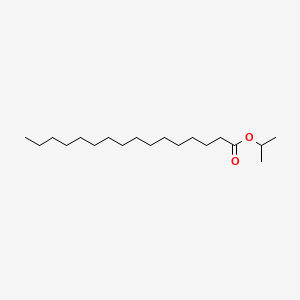
Chemical structure of ISOPROPYL PALMITATE

ISOPROPYL PALMITATE

CAS Number: 142-91-6

Also Known As:

Category: emollient

EC Number: 205-571-1

Korean Name: 아이소프로필팔미테이트

Isopropyl palmitate

ISOPROPYL PALMITATE is an emollient ingredient used in skincare formulations.

emollienttexture enhancer

🌍 Regulatory Status

EU: No restriction on fileUS: No restriction on file

📊 Comedogenicity

🟥🟥🟥🟥⬜

4/5

📚 Research & Evidence

PUBMED CITATIONS
3
Data sources: EU CosIng PubMed

🔬 The Science

Isopropyl palmitate (often abbreviated IP or IPP) is a penetration enhancer—a chemical that helps other ingredients move through the skin barrier more effectively. Here’s what the research shows:

#1: **It significantly increases skin permeation.** In a 2006 study published in Biological & Pharmaceutical Bulletin, researchers tested isopropyl palmitate mixed with ethanol at concentrations of 5%, 10%, 15%, and 20% on rat skin samples. All concentrations produced statistically significant increases in how much of four different drugs passed through the skin (p<0.001), with the 20% concentration working best overall. This means the ingredient actively helps other substances penetrate deeper into skin.

#2: **Concentration matters, but there’s a sweet spot.** A 2019 study in AAPS PharmSciTech found that as isopropyl palmitate concentration increased from 2% to 10%, drug release improved in a predictable linear way. However, between 10% and 15%, the improvement plateaued—meaning adding more didn’t help proportionally. Drug release increased by 4.8% at 2% concentration, jumping to 16% at 10%, but then only slightly decreased to 14.8% at 15%. #3: **How it works physically.** The mechanism appears to involve two processes (AAPS PharmSciTech, 2019). Isopropyl palmitate increases the fluidity (flowiness) of the adhesive or formulation it’s in, which helps release active ingredients.

Simultaneously, it competes with drugs for space within the formulation—essentially “displacing” them so they’re more available to be absorbed. Interestingly, the fluidity effect is most pronounced at concentrations below 10%. **Important limitation:** These studies used lab models (rat skin) and tested specific drugs in adhesive systems, not whole skincare products on living human skin. The exact effects in real-world cosmetic formulations may differ.

💧 Skin Type Compatibility

80%
Sensitive
40%
Oily
84%
Dry
40%
Combination
40%
Acne-prone
81%
Normal

Derived from this ingredient’s irritancy potential and comedogenicity rating against the needs of each skin type — e.g. oily and acne-prone skin are marked down for pore-clogging ingredients, sensitive skin for irritants. A starting heuristic, not a dermatological verdict.

⚠️ Don’t Combine With

No data yet
No known incompatibilities on file for this ingredient.

🧴 Products Containing ISOPROPYL PALMITATE

📄 Related Research

Matched by search — not necessarily verified support for every statement above.

Similar Ingredients

(20S)-PROTOPANAXADIOL
emollient
View
(ANGELICA ACUTILOBA/PAEONIA LACTIFLORA) ROOT/CNIDIUM OFFICINALE RHIZOME EXTRACT
emollient
View
2-CAPRYLOYL CAPRYLOYL METHYL ALANINATE
emollient
View
2,5-DIHYDROXYBENZOYL DIPEPTIDE-27
humectant
View
2,5-DIHYDROXYBENZOYL DIPEPTIDE-48
humectant
View
3,4-DIHYDROXYBENZOYL DIPEPTIDE-49 AMIDE
humectant
View
ABELMOSCHUS MANIHOT FLOWER WATER
emollient
View
ACACIA DEALBATA FLOWER WAX
emollient
View