Description: LECITHIN — emulsifier, skin conditioning, barrier support.
All Functions: emulsifier, skin conditioning, barrier support
Quick Facts:
- Category: emollient
Proven Benefits At A Glance:
- Lecithin is a naturally occurring phospholipid (a type of fat molecule) found in cell membranes
- In skincare products, it functions as a skin conditioner, emulsifier, and helps products blend together
- It’s considered safe in cosmetics at concentrations up to 15% in leave-on products, according to expert safety review
- Lecithin can help deliver other ingredients through the skin barrier when formulated into specialized structures like liposomes
- Most commonly used at 0.1% to 1.0% concentration in skincare formulas
Safety tier is a starting heuristic from regulatory status and comedogenic rating, not a dermatological verdict — see our Terms for the full disclaimer. Research confidence reflects how many real cited studies back this ingredient, not the strength of their findings.
🧪 LECITHIN
LECITHIN
CAS Number: 8002-43-5 / 8030-76-0 (soybean)
Also Known As: —
Category: emollient
EC Number: 232-307-2 / 310-129-7
Korean Name: 레시틴
Lecithins. The complex combination of diglycerides of fatty acids linked to the choline ester of phosphoric acid
LECITHIN is an emollient ingredient used in skincare formulations.
🌍 Regulatory Status
📊 Comedogenicity
📚 Research & Evidence
🔬 The Science
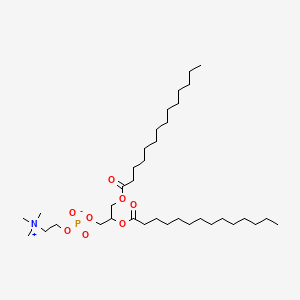
Lecithin is a naturally occurring mixture of phospholipids—specifically diglycerides of stearic, palmitic, and oleic acids linked to phosphoric acid (Int J Toxicol, 2001). The most common form is phosphatidylcholine. When mixed with water, lecithin molecules self-assemble into spherical structures called liposomes, where the fatty parts face inward and the water-loving parts face outward, creating a natural encapsulation system. #1: Skin conditioning and emulsification: Lecithin functions primarily as a skin and hair conditioning agent and emulsifying agent in cosmetics, helping to blend oil and water-based ingredients together (Int J Toxicol, 2020). Most frequently, products contain 0.1% to 1.0% lecithin, though concentrations up to 50% have been reported (Int J Toxicol, 2001).
#2: Delivery enhancement: One of lecithin’s notable properties is its ability to act as a penetration enhancer, particularly when formulated into specialized gel systems called organogels (ACS Omega, 2024). Liposomes made from lecithin can help capture and deliver other compounds through the skin barrier—research shows that when applied to murine (mouse) skin, lecithin-containing liposomes achieved 30% penetration to the subdermis (the layer beneath the outer skin), though results varied significantly in other animal models (Int J Toxicol, 2001). #3: Safety profile: Both lecithin and hydrogenated lecithin (a processed form) were found to be generally nonirritating and nonsensitizing in animal and human skin studies.
An expert safety panel concluded that phosphoglycerides including lecithin are safe in cosmetic use and concentration as currently practiced (Int J Toxicol, 2020). However, safety has been established for leave-on products up to 15% concentration—the highest concentration tested in clinical studies (Int J Toxicol, 2001). Lecithin shows minimal toxicity in oral and dermal studies, is not a reproductive toxicant, and is not mutagenic (Int J Toxicol, 2001). #4: Important limitations: While research explores lecithin’s potential in specialized delivery systems for wound healing and other therapeutic applications (Pharmaceutics, 2021; J Control Release, 2014), these represent laboratory research or animal studies. The sources note that clinical benefits in human patients have not yet been established.
Additionally, because lecithin can enhance skin penetration of other ingredients, caution is advised when combining it with ingredients whose safety depends on them not being absorbed (Int J Toxicol, 2001).
💧 Skin Type Compatibility
Derived from this ingredient’s irritancy potential and comedogenicity rating against the needs of each skin type — e.g. oily and acne-prone skin are marked down for pore-clogging ingredients, sensitive skin for irritants. A starting heuristic, not a dermatological verdict.
⚠️ Don’t Combine With
🧴 Products Containing LECITHIN
- Schaebens Feuchtigkeits Maske
- Nivea
- tetesept tetesept Zeit für Dich
- Balea Men Arctic Fresh Duschgel
- Balea Creme Seife Sensitive
- alverde, dm Alverde Deo Roll-On Sensitiv
- alverde Naturkosmetik Repair Spülung strapaziertes & brüchiges Haar
- DM, alverde men Rough Nature Shower Gel Men
- ANNEMARIE BÖRLIND mild shampoo
- TABAC TABAC’S original bartshampoo & conditioner
- Logona Shampooing soin brillance
- Lavera Crème hydratante
- shampoo
- lavera Händchenhalten Handcreme
- lavera Straffende Nachtpflege
- Lavera Body Milk Sensitiv – Lavera
- Lavera, Lavera Naturkosmetik, Laverana Crème Basis Sensitiv
- Gel de bano con carbon activo
- Cien, bellmira Cosmetic Antitranspirant Comfort Fresh
- alverde Volumen-Kick Shampoo Bio-Kiwi Bio-Apfelminze
📄 Related Research
Matched by search — not necessarily verified support for every statement above.
- Johnson W Jr et al. (2020). Safety Assessment of Lecithin and Other Phosphoglycerides as Used in Cosmetics. Int J Toxicol.
- Raut S et al. (2024). Lecithin Organogel: A Promising Carrier for the Treatment of Skin Diseases. ACS Omega.
- Fiume Z (2001). Final report on the safety assessment of Lecithin and Hydrogenated Lecithin. Int J Toxicol.
- Panda DS et al. (2021). Berberine Encapsulated Lecithin-Chitosan Nanoparticles as Innovative Wound Healing Agent in Type II Diabetes. Pharmaceutics.
- Elnaggar YS et al. (2014). Lecithin-based nanostructured gels for skin delivery: an update on state of art and recent applications. J Control Release.
Similar Ingredients


📰 More News
-
The CCL20-CCR6 axis predominantly drives IL-17-mediated psoriasis while modestly contributing to papain-induced type 2 inflammation
PubMed · 23 days ago
-
SkinCeuticals Just Reformulated Its C E Ferulic Serum
Allure · 14 days ago
-
Are Sunscreen Oils Just Tanning Oils in Disguise? Experts Weigh In
Allure · 14 days ago
-
Update to RIFM fragrance ingredient safety assessment, propenylguaethol, CAS Registry Number 94-86-0
PubMed · 14 days ago
-
Earth Harbor Obscura Night Repair Concentrate Review
Allure · 13 days ago
-
Okay, We’ll Bite: Fruity Perfumes Are Cool
Allure · 13 days ago