Mia Seilern
MANDELIC ACID
⚠️ Data is provided for informational purposes only. It may contain inaccuracies and should be independently verified. This is not medical advice. Consult a healthcare professional before making health decisions.

Description: MANDELIC ACID — AHA exfoliant, gentler than glycolic acid, mild antibacterial.

All Functions: AHA exfoliant, gentler than glycolic acid, mild antibacterial

Quick Facts:

  • Category: active

Proven Benefits At A Glance:

  • Mandelic acid is an alpha-hydroxy acid (a type of chemical exfoliant) studied for acne and hyperpigmentation
  • Research shows it may improve skin elasticity and firmness when used topically over 4 weeks
  • It has antimicrobial properties and can be formulated into skincare products
  • When combined with tranexamic acid, it may enhance skin penetration and pigmentation reduction
  • In direct comparison with lactic acid for dark circles, lactic acid showed superior results in one study
Safety: Generally Low ConcernResearch confidence: Good

Safety tier is a starting heuristic from regulatory status and comedogenic rating, not a dermatological verdict — see our Terms for the full disclaimer. Research confidence reflects how many real cited studies back this ingredient, not the strength of their findings.

Pregnancy safe

🧪 MANDELIC ACID

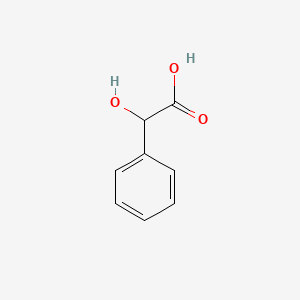
Chemical structure of MANDELIC ACID

MANDELIC ACID

CAS Number: 90-64-2

Also Known As:

Category: active

EC Number: 202-007-6

Korean Name: 만델릭애씨드

Benzeneacetic acid, .alpha.-hydroxy-

MANDELIC ACID is an active ingredient used in skincare formulations.

AHA exfoliantgentler than glycolic acidmild antibacterial

🌍 Regulatory Status

EU: No restriction on fileUS: No restriction on file

📊 Comedogenicity

No data yet
Not rated for this ingredient yet.

📚 Research & Evidence

PUBMED CITATIONS
5
Data sources: EU CosIng PubMed

🔬 The Science

Mandelic acid is an alpha-hydroxy acid (AHA)—a type of chemical exfoliant that works on the skin’s surface. Here’s what the research actually shows:

#1: Skin elasticity and firmness improvements. In a 4-week study published in Facial Plast Surg (2018), 24 patients aged 42–68 applied mandelic acid topically twice daily to their faces. Researchers measured lower eyelid skin using a device called the Cutometer, which objectively measures skin mechanical properties. Results showed elasticity increased by 25.4% and skin firmness increased by 23.8%, with statistical significance noted. These improvements in physical skin properties correlated with improved photographic appearance. #2: Pigmentation reduction when paired with other ingredients.

A 2025 study in Skin Res Technol examined mandelic acid combined with tranexamic acid (TXA) as an ion-pair complex. This combination showed enhanced skin permeability compared to tranexamic acid alone and greater suppression of inflammation-related genes (IL-1α, IL-6, IL-8, COX-2) in cell models. A 4-week human study using 3D imaging found the combination significantly reduced visible skin pigmentation more effectively than tranexamic acid by itself. #3: Antimicrobial and preservative properties. Research in Molecules (2024) and Int J Mol Sci (2023) found that mandelic acid has antimicrobial activity against bacteria and yeasts. When formulated into emulsions and gels with essential oils, mandelic acid contributed to antimicrobial effectiveness and improved product stability.

One study (Int J Mol Sci, 2023) noted that mandelic acid in antimicrobial gels performed comparably to or better than commercial ethanol-based hand sanitizers in both antimicrobial activity and skin tolerability. #4: Performance versus lactic acid. A 2025 study in Indian Dermatol Online J directly compared 30% mandelic acid peels with 30% lactic acid peels for treating periorbital melanosis (dark circles) over 6 weeks. Both acids improved pigmentation, but lactic acid showed significantly greater reduction (50% of patients achieved more than 30% improvement versus a lower rate in the mandelic acid group, P = 0.001). Patient satisfaction was also higher with lactic acid (100% versus 83.9%), and lactic acid caused milder side effects.

The mandelic acid group experienced more irritation, while the lactic acid group had more exfoliation. The study authors noted their sample size was small and duration short, limiting broader conclusions. Important limitation: The sources are limited and don’t fully agree on mandelic acid’s superiority. It appears effective for certain uses, but direct comparisons suggest lactic acid may outperform it for some applications, particularly pigmentation reduction.

💧 Skin Type Compatibility

90%
Sensitive
96%
Oily
94%
Dry
95%
Combination
96%
Acne-prone
95%
Normal

Derived from this ingredient’s irritancy potential and comedogenicity rating against the needs of each skin type — e.g. oily and acne-prone skin are marked down for pore-clogging ingredients, sensitive skin for irritants. A starting heuristic, not a dermatological verdict.

⚠️ Don’t Combine With

No data yet
No known incompatibilities on file for this ingredient.

🧴 Products Containing MANDELIC ACID

📄 Related Research

Matched by search — not necessarily verified support for every statement above.

Similar Ingredients

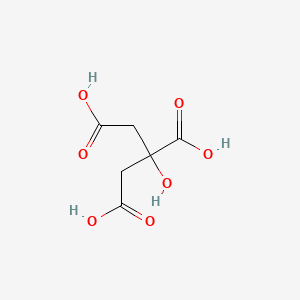
CITRIC ACID
CITRIC ACID
active
View
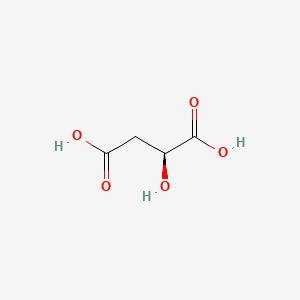
MALIC ACID
MALIC ACID
active
View
(CINNAMOMUM CASSIA/MAGNOLIA OFFICINALIS) BARK/(ALPINIA OFFICINARUM/ANGELICA GIGAS) ROOT EXTRACT
active
View
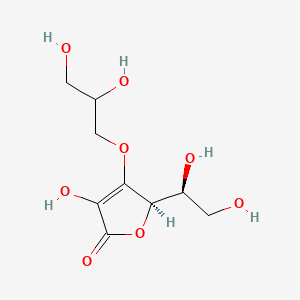
3-GLYCERYL ASCORBATE
active
View
3-LAURYLGLYCERYL ASCORBATE
active
View
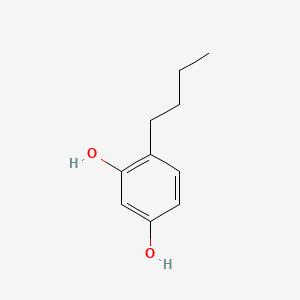
4-BUTYLRESORCINOL
4-BUTYLRESORCINOL
active
View
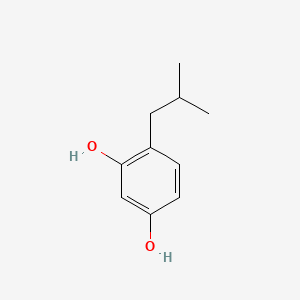
4-ISOBUTYLRESORCINOL
active
View
ABIES ALBA SEED EXTRACT
active
View