Mia Seilern
⚠️ Data is provided for informational purposes only. It may contain inaccuracies and should be independently verified. This is not medical advice. Consult a healthcare professional before making health decisions.

Description: MENTHA PIPERITA EXTRACT — cooling, refreshing (Peppermint; can irritate sensitive skin).

All Functions: cooling, refreshing (Peppermint; can irritate sensitive skin)

Quick Facts:

  • Category: active

Proven Benefits At A Glance:

  • Mentha piperita extract comes from peppermint plants and has been studied for various potential health applications
  • Research suggests it may have antioxidant properties and neuroprotective potential in animal models
  • Some studies show antibacterial and antifungal activity against specific bacteria and fungi
  • One human trial found it may help reduce nausea and loss of appetite in cancer patients undergoing chemotherapy
  • Most research is preliminary; human studies are limited
Safety: Generally Low ConcernResearch confidence: Good

Safety tier is a starting heuristic from regulatory status and comedogenic rating, not a dermatological verdict — see our Terms for the full disclaimer. Research confidence reflects how many real cited studies back this ingredient, not the strength of their findings.

🧪 MENTHA PIPERITA EXTRACT

Chemical structure of MENTHA PIPERITA EXTRACT

MENTHA PIPERITA EXTRACT

CAS Number: 84082-70-2

Also Known As:

Category: active

EC Number: 282-015-4

Mentha Piperita Extract is an extract of the whole plant of the Peppermint, Mentha piperita (L.), Labiatae

MENTHA PIPERITA EXTRACT is an active ingredient used in skincare formulations.

coolingrefreshing (Peppermint; can irritate sensitive skin)

🌍 Regulatory Status

EU: No restriction on fileUS: No restriction on file

📊 Comedogenicity

No data yet
Not rated for this ingredient yet.

📚 Research & Evidence

PUBMED CITATIONS
5
Data sources: EU CosIng PubMed

🔬 The Science

Mentha piperita extract—the concentrated form of compounds from peppermint plants—has been investigated in several research areas, though the evidence varies in strength and applicability to skincare consumers. #1: Antioxidant and neuroprotective potential. In a 2024 mouse study published in PLoS One, an ethanolic extract of Mentha piperita demonstrated what researchers call “neuroprotective capacities, possibly through antioxidant capacities.” The extract modulated multiple antioxidant markers in brain tissue (lipid peroxidation, reduced glutathione, superoxide dismutase, glutathione-s-transferase, and catalase activities) and partially maintained dopamine levels in mice treated with rotenone, a chemical that mimics Parkinson’s disease features. However, this is animal research only; no human trials for neuroprotection are cited in these sources.

#2: Antibacterial and biofilm-inhibitory properties. A 2025 study in Iran Journal of Pharmaceutical Research found that peppermint extract effectively inhibited biofilm formation by Acinetobacter baumannii (a hospital-acquired bacterium) with minimum inhibitory concentrations ranging from 1.5 to 6 mg/mL. A 2024 Life (Basel) study also demonstrated that Mentha piperita-based nanobiopesticides showed antibacterial activity against two plant-pathogenic bacteria (Clavibacter michiganensis and Pseudomonas syringae) and antifungal efficacy against Aspergillus niger and Fusarium oxysporum, though these were agricultural/environmental applications rather than skincare contexts. #3: Symptom relief in chemotherapy patients. A 2020 randomized controlled trial published in Integrative Cancer Therapy tested peppermint extract (40 drops in water, three times daily) in 84 breast cancer patients undergoing chemotherapy.

The study found statistically significant differences between the peppermint extract group and control group at 24 and 48 hours after chemotherapy, with lower severity scores for nausea, vomiting, and anorexia in the peppermint group. The authors concluded that peppermint “may improve nausea, vomiting, and anorexia” but noted that further studies with larger sample sizes and longer follow-up are needed. Importantly, none of these sources directly address skincare applications, skin barrier function, aging, or cosmetic benefits. The antioxidant and antibacterial findings come from medical/agricultural contexts, not dermatology studies. Any claims about skin health benefits would require additional research specifically designed for that purpose.

💧 Skin Type Compatibility

No data yet
Per-skin-type data isn’t curated for this ingredient yet.

⚠️ Don’t Combine With

No data yet
No known incompatibilities on file for this ingredient.

🧴 Products Containing MENTHA PIPERITA EXTRACT

📄 Related Research

Matched by search — not necessarily verified support for every statement above.

Similar Ingredients

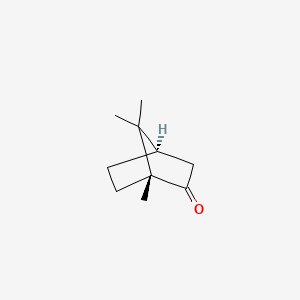
CAMPHOR
CAMPHOR
active
View
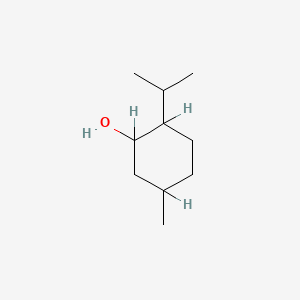
MENTHOL
MENTHOL
active
View
(CINNAMOMUM CASSIA/MAGNOLIA OFFICINALIS) BARK/(ALPINIA OFFICINARUM/ANGELICA GIGAS) ROOT EXTRACT
active
View
3-GLYCERYL ASCORBATE
active
View
3-LAURYLGLYCERYL ASCORBATE
active
View
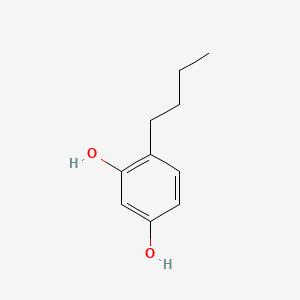
4-BUTYLRESORCINOL
4-BUTYLRESORCINOL
active
View
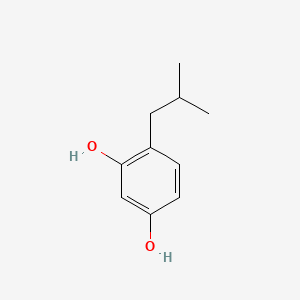
4-ISOBUTYLRESORCINOL
active
View
ABIES ALBA SEED EXTRACT
active
View