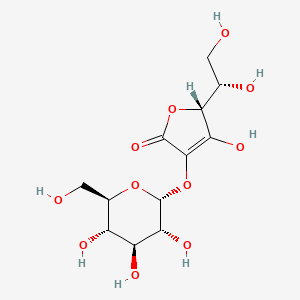
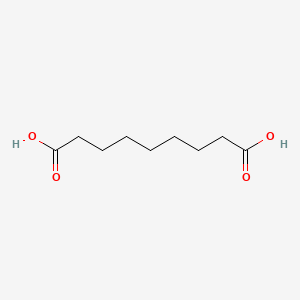
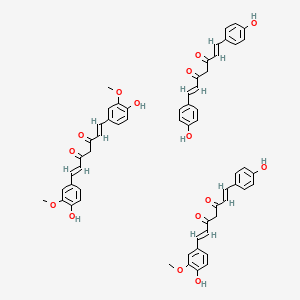
Description: MORUS ALBA ROOT EXTRACT — brightening, tyrosinase inhibitor (Mulberry Root).
All Functions: brightening, tyrosinase inhibitor (Mulberry Root)
Quick Facts:
- Category: active
Proven Benefits At A Glance:
- Morus alba root extract has been used in traditional Asian skincare for anti-aging and hyperpigmentation concerns
- Research shows it can reduce melanin accumulation in skin cells without harming cell viability
- Contains compounds like mulberroside A and oxyresveratrol with identified bioactive properties
- Also studied for potential antibacterial effects against certain bacteria and hair growth support
- Rich in natural compounds including flavonoids, phenolics, and tannins
Safety tier is a starting heuristic from regulatory status and comedogenic rating, not a dermatological verdict — see our Terms for the full disclaimer. Research confidence reflects how many real cited studies back this ingredient, not the strength of their findings.
🧪 MORUS ALBA ROOT EXTRACT
MORUS ALBA ROOT EXTRACT
CAS Number: 94167-05-2
Also Known As: —
Category: active
EC Number: 303-403-2
Korean Name: 뽕나무뿌리추출물
Morus Alba Root Extract is an extract of the roots of the White Mulberry, Morus alba L., Moraceae
MORUS ALBA ROOT EXTRACT is an active ingredient used in skincare formulations.
🌍 Regulatory Status
📊 Comedogenicity
📚 Research & Evidence
🔬 The Science
Morus alba root extract (often called MAR) has gained attention in skincare research, particularly for two skin concerns. #1: Hyperpigmentation and dark spots — A 2023 study in the Journal of Ethnopharmacology found that MAR reduced melanin accumulation in skin cells by inhibiting an enzyme called tyrosinase, which controls melanin production. The extract worked in a dose-dependent manner (meaning higher concentrations had stronger effects) without damaging the skin cells themselves. The mechanism involved a signaling pathway called S1P-S1PR3-ERK and the degradation of a protein called MITF, which regulates pigment production. Specific compounds identified in the extract with this activity include mulberroside A and oxyresveratrol (J Ethnopharmacol, 2023).
#2: Hair growth — A 2021 study in Pharmaceutics demonstrated that Morus alba root extract (MARE) containing chlorogenic acid and umbelliferone activated a protein called β-catenin in hair follicle cells, which is crucial for transitioning hair from a resting phase to a growth phase (telogen-to-anagen transition). The extract enhanced growth factor secretion at non-toxic concentrations (J Ethnopharmacol, 2023; Pharmaceutics, 2021). The broader phytochemical profile of Morus alba includes tannins, steroids, flavonoids, phenolics, alkaloids, and anthocyanins (Naunyn Schmiedebergs Arch Pharmacol, 2023). While traditional uses span many applications, the skincare-specific research remains concentrated on melanin regulation and hair follicle support. A 2025 study in the Journal of Ethnopharmacology identified antibacterial compounds in Morus alba root bark (sanggenon C and related compounds) active against gram-positive bacteria, though this research focused on internal health rather than topical skincare applications.
💧 Skin Type Compatibility
Derived from this ingredient’s irritancy potential and comedogenicity rating against the needs of each skin type — e.g. oily and acne-prone skin are marked down for pore-clogging ingredients, sensitive skin for irritants. A starting heuristic, not a dermatological verdict.
⚠️ Don’t Combine With
🧴 Products Containing MORUS ALBA ROOT EXTRACT
📄 Related Research
Matched by search — not necessarily verified support for every statement above.
- Batiha GE et al. (2023). Morus alba: a comprehensive phytochemical and pharmacological review. Naunyn Schmiedebergs Arch Pharmacol.
- Zheng Y et al. (2023). Morus alba L. root decreases melanin synthesis via sphingosine-1-phosphate signaling in B16F10 cells. J Ethnopharmacol.
- Gafriller J et al. (2025). Sanggenon C – A novel anti-enterococcal agent from Morus alba root bark. J Ethnopharmacol.
- Hyun J et al. (2021). Morus alba Root Extract Induces the Anagen Phase in the Human Hair Follicle Dermal Papilla Cells. Pharmaceutics.
- Yuvaraj K et al. (2018). Effect of Morus alba root bark extract on gene-level expression of inflammatory markers in rats subjected to ethanol and cerulein induced pancreatitis- influence of heat shock protein 70. J Complement Integr Med.
Similar Ingredients
📰 More News
-
The CCL20-CCR6 axis predominantly drives IL-17-mediated psoriasis while modestly contributing to papain-induced type 2 inflammation
PubMed · 23 days ago
-
SkinCeuticals Just Reformulated Its C E Ferulic Serum
Allure · 14 days ago
-
Are Sunscreen Oils Just Tanning Oils in Disguise? Experts Weigh In
Allure · 14 days ago
-
Update to RIFM fragrance ingredient safety assessment, propenylguaethol, CAS Registry Number 94-86-0
PubMed · 14 days ago
-
Earth Harbor Obscura Night Repair Concentrate Review
Allure · 13 days ago
-
Okay, We’ll Bite: Fruity Perfumes Are Cool
Allure · 13 days ago