Mia Seilern
ACETYL GLUCOSAMINE
⚠️ Data is provided for informational purposes only. It may contain inaccuracies and should be independently verified. This is not medical advice. Consult a healthcare professional before making health decisions.

Description: ACETYL GLUCOSAMINE — supports hyaluronic acid production, brightening.

All Functions: supports hyaluronic acid production, brightening

Quick Facts:

  • Category: active

Proven Benefits At A Glance:

  • N-acetyl glucosamine (NAG) is a stable form of glucosamine used in skincare
  • Research shows NAG may help reduce the appearance of facial hyperpigmentation (dark spots)
  • NAG penetrates skin well and is generally well-tolerated
  • NAG works better for hyperpigmentation when combined with niacinamide
  • NAG is recognized across pharmaceutical, nutraceutical, and cosmetics industries for various biological activities
Safety: Generally Low ConcernResearch confidence: Good

Safety tier is a starting heuristic from regulatory status and comedogenic rating, not a dermatological verdict — see our Terms for the full disclaimer. Research confidence reflects how many real cited studies back this ingredient, not the strength of their findings.

🧪 ACETYL GLUCOSAMINE

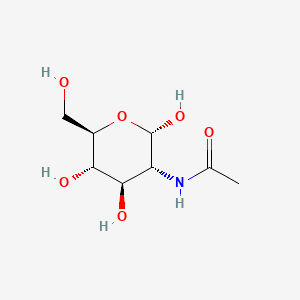
Chemical structure of ACETYL GLUCOSAMINE

ACETYL GLUCOSAMINE

CAS Number: 10036-64-3

Also Known As:

Category: active

EC Number: 233-115-1

Korean Name: 아세틸글루코사민

N-acetyl-.alpha.-D-glucosamine

ACETYL GLUCOSAMINE is an active ingredient used in skincare formulations.

supports hyaluronic acid productionbrightening

🌍 Regulatory Status

EU: No restriction on fileUS: No restriction on file

📊 Comedogenicity

No data yet
Not rated for this ingredient yet.

📚 Research & Evidence

PUBMED CITATIONS
3
Data sources: EU CosIng PubMed

🔬 The Science

N-acetyl glucosamine (NAG) is a modified form of glucosamine, a natural compound derived from chitin. According to research in *Frontiers in Chemistry* (2020), NAG is part of a broader class of compounds with reported antimicrobial, antioxidant, wound-healing, and immunoregulatory properties, though these specific benefits have not been clinically validated in the skincare sources reviewed here. The main clinically-tested benefit for skincare concerns hyperpigmentation (dark spots or uneven skin tone). #1: In a double-blind, placebo-controlled study published in the *Journal of Cosmetic Dermatology* (2007), a 2% topical NAG formulation reduced the appearance of facial hyperpigmentation over 8 weeks. #2: When combined with 4% niacinamide (another skincare ingredient), the effect on hyperpigmentation was greater than NAG alone.

Research in *Advanced Pharmaceutical Bulletin* (2016) explains that NAG works by preventing melanin synthesis and altering gene expression related to pigmentation. One challenge with NAG is its chemical nature: it is highly polar (water-loving), which historically made it difficult to formulate into topical products. However, the 2007 *Journal of Cosmetic Dermatology* study confirmed that NAG is “a good skin penetrant” and noted it has “relative ease of formulation and stability in solution.” Both studies report that NAG is well-tolerated by skin with no significant adverse effects noted. The *Advanced Pharmaceutical Bulletin* study explored encapsulating NAG in lipid nanoparticles to improve delivery, and dermoscopy imaging showed a considerable decline in melanin distribution in most treated cases, though this represents early-stage research rather than a standard formulation.

It is important to note that the clinical evidence is limited to hyperpigmentation concerns; other biological activities mentioned in the broader chemistry literature have not been tested in human skincare applications.

💧 Skin Type Compatibility

No data yet
Per-skin-type data isn’t curated for this ingredient yet.

⚠️ Don’t Combine With

No data yet
No known incompatibilities on file for this ingredient.

🧴 Products Containing ACETYL GLUCOSAMINE

📄 Related Research

Matched by search — not necessarily verified support for every statement above.

Similar Ingredients

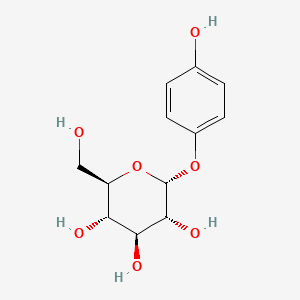
Alpha Arbutin
Alpha Arbutin
active
View
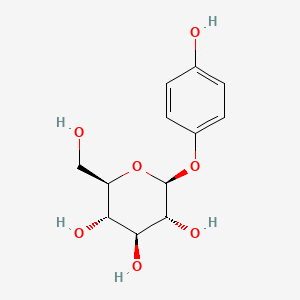
ARBUTIN
ARBUTIN
active
View
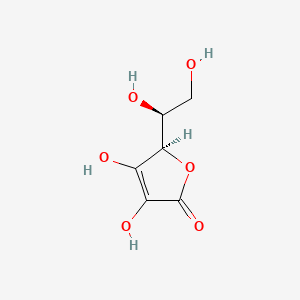
Ascorbic Acid
Ascorbic Acid
active
View
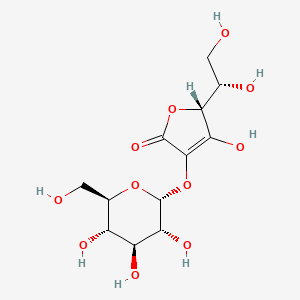
ASCORBYL GLUCOSIDE
ASCORBYL GLUCOSIDE
active
View
Azelaic Acid
Azelaic Acid
active
View
CITRUS LIMON PEEL EXTRACT
active
View
CURCUMA LONGA ROOT EXTRACT
active
View
ELLAGIC ACID
ELLAGIC ACID
active
View