Mia Seilern
Niacinamide
⚠️ Data is provided for informational purposes only. It may contain inaccuracies and should be independently verified. This is not medical advice. Consult a healthcare professional before making health decisions.

Description: Niacinamide — brightening, barrier support.

All Functions: brightening, barrier support

Quick Facts:

  • Category: active
  • Also Known As: Vitamin B3
  • Comedogenic Rating: 0/5

Proven Benefits At A Glance:

  • Niacinamide is an amide form of vitamin B3 that your body cannot store, so it must come from external sources like skincare products
  • It works by stabilizing your skin barrier and reducing water loss from the skin
  • Research shows it may help with fine lines, wrinkles, dark spots, redness, and skin texture
  • It’s considered well-tolerated and safe for use in cosmetics across different skin types
  • It has anti-inflammatory, antimicrobial, and antioxidant properties
Safety: Generally Low ConcernResearch confidence: Good

Safety tier is a starting heuristic from regulatory status and comedogenic rating, not a dermatological verdict — see our Terms for the full disclaimer. Research confidence reflects how many real cited studies back this ingredient, not the strength of their findings.

Pregnancy safe

🧪 Niacinamide

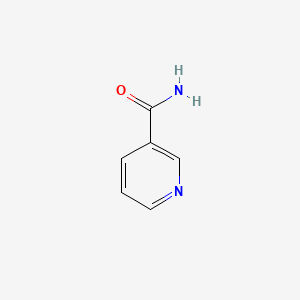
Chemical structure of Niacinamide

Niacinamide

CAS Number: 98-92-0

Also Known As: Vitamin B3

Category: active

EC Number: 202-713-4

Korean Name: 나이아신아마이드

3-Pyridinecarboxamide

Niacinamide is an active ingredient used in skincare formulations.

brighteningbarrier support

🌍 Regulatory Status

EU: No restriction on fileUS: No restriction on file

📊 Comedogenicity

⬜⬜⬜⬜⬜

0/5

📚 Research & Evidence

PUBMED CITATIONS
5
Data sources: EU CosIng PubMed

🔬 The Science

Niacinamide is a hydrophilic (water-loving) substance and an active form of vitamin B3 that works through several mechanisms in the skin (Skin Pharmacol Physiol, 2014). Unlike some vitamins, your body doesn’t naturally store niacinamide, so topical application or dietary intake is necessary (Recent Adv Antiinfect Drug Discov, 2021). #1: Barrier function and hydration — Niacinamide stabilizes your skin’s outer layer (the epidermis) by reducing transepidermal water loss, which is when water escapes from deeper skin layers through the surface. It also increases moisture content in the outermost layer of skin, called the stratum corneum or “horny layer” (J Cosmet Dermatol, 2004).

It does this partly by stimulating ceramide synthesis—ceramides are lipids that act like mortar between skin cells (J Cosmet Dermatol, 2004). #2: Appearance of aging skin — A 12-week clinical study with 50 women applying 5% niacinamide to half their face found significant reductions in fine lines and wrinkles, as well as improvements in skin elasticity measured by specialized instruments (Dermatol Surg, 2005). Niacinamide improves surface structure in aging skin and smooths out wrinkles (J Cosmet Dermatol, 2004). #3: Skin tone and pigmentation — Research indicates niacinamide may reduce the appearance of hyperpigmented spots (dark spots) and red blotchiness (Dermatol Surg, 2005).

It also has lightening effects (Skin Pharmacol Physiol, 2014) and may help with pigmentary disorders and conditions like melasma (J Cosmet Dermatol, 2004). #4: Redness and inflammation — Niacinamide has demonstrated anti-inflammatory effects in acne, rosacea, and irritated skin (J Cosmet Dermatol, 2004). It also reduces the appearance of skin sallowness, or yellowing (Dermatol Surg, 2005). #5: Cellular function — At the molecular level, niacinamide increases protein synthesis (including keratin, a structural protein in skin) and speeds up keratinocyte differentiation—the process by which skin cells mature and move toward the surface (J Cosmet Dermatol, 2004). It also raises intracellular levels of NADP, a coenzyme involved in important metabolic processes (J Cosmet Dermatol, 2004).

Niacinamide is widely incorporated into skincare products ranging from cleansers to serums due to its safety profile (Drug Deliv Transl Res, 2024) and is well-tolerated across different skin types (Recent Adv Antiinfect Drug Discov, 2021). However, the sources note that while clinical data are accumulating, existing evidence for some dermatological uses is still emerging and not yet sufficient for definitive scientific evaluation (Skin Pharmacol Physiol, 2014).

💧 Skin Type Compatibility

100%
Sensitive
100%
Oily
100%
Dry
100%
Combination
100%
Acne-prone
100%
Normal

Derived from this ingredient’s irritancy potential and comedogenicity rating against the needs of each skin type — e.g. oily and acne-prone skin are marked down for pore-clogging ingredients, sensitive skin for irritants. A starting heuristic, not a dermatological verdict.

⚠️ Don’t Combine With

  • Ascorbic Acid (info): Niacinamide and Ascorbic Acid can be used together; older concerns about them destabilizing each other are largely outdated for modern formulations.

🧴 Products Containing Niacinamide

📄 Related Research

Matched by search — not necessarily verified support for every statement above.

📰 Recent News

Similar Ingredients

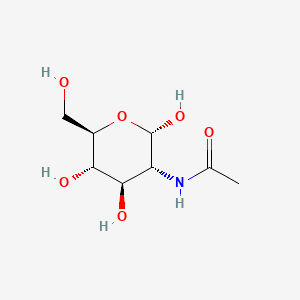
ACETYL GLUCOSAMINE
ACETYL GLUCOSAMINE
active
View
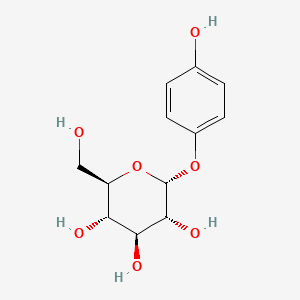
Alpha Arbutin
Alpha Arbutin
active
View
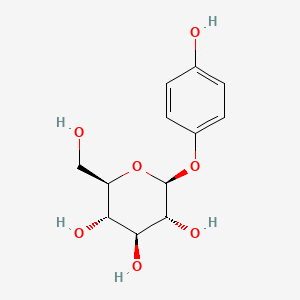
ARBUTIN
ARBUTIN
active
View
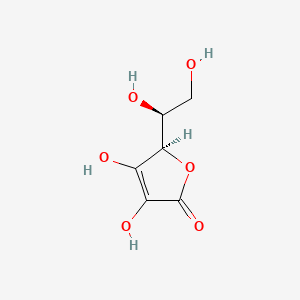
Ascorbic Acid
Ascorbic Acid
active
View
ASCORBYL GLUCOSIDE
ASCORBYL GLUCOSIDE
active
View
AVENA SATIVA KERNEL EXTRACT
active
View
Azelaic Acid
Azelaic Acid
active
View
BETA-GLUCAN
BETA-GLUCAN
active
View