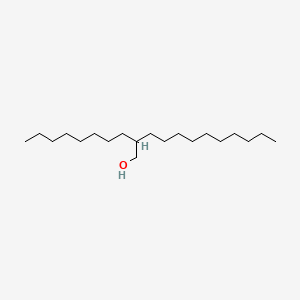
Description: OCTYLDODECANOL — emollient, texture enhancer.
All Functions: emollient, texture enhancer
Quick Facts:
- Category: emollient
- Comedogenic Rating: 2/5
Proven Benefits At A Glance:
- Octyldodecanol is a penetration enhancer used in transdermal (through-skin) patch formulations
- It increases how effectively active ingredients can pass through skin when incorporated into patches
- In patch testing, it caused only mild skin irritation in animal models
- Irritation from patches containing octyldodecanol was greater than control patches but still considered minor
Safety tier is a starting heuristic from regulatory status and comedogenic rating, not a dermatological verdict — see our Terms for the full disclaimer. Research confidence reflects how many real cited studies back this ingredient, not the strength of their findings.
🧪 OCTYLDODECANOL
OCTYLDODECANOL
CAS Number: 5333-42-6
Also Known As: —
Category: emollient
EC Number: 226-242-9
Korean Name: 옥틸도데칸올
2-Octyldodecan-1-ol
OCTYLDODECANOL is an emollient ingredient used in skincare formulations.
🌍 Regulatory Status
📊 Comedogenicity
2/5
📚 Research & Evidence
🔬 The Science
Octyldodecanol (OD) is an ingredient that helps active pharmaceutical ingredients penetrate the skin barrier more effectively—a property called “penetration enhancement.” In a 2006 study published in *Biological & Pharmaceutical Bulletin*, researchers tested octyldodecanol in transdermal patches designed to deliver the drug formoterol fumarate. #1: When octyldodecanol was added to ethylene-vinyl acetate (EVA) copolymer patches, it significantly increased the amount of active ingredient that could pass through skin, compared to patches made without it (*Biol Pharm Bull*, 2006). This makes it useful in patch formulations where getting medication through the skin barrier is important. #2: The same study evaluated skin irritation potential across different patch formulations containing various amounts of octyldodecanol.
Patches containing octyldodecanol caused mild irritation in animal models tested (*Biol Pharm Bull*, 2006). However, it’s important to note that irritation levels were “significantly greater than the control” patch, meaning octyldodecanol itself did contribute to irritation compared to formulations without it—though the absolute irritation scores remained in the mild range. The sources available are limited to one animal study of octyldodecanol in pharmaceutical patches and do not include data on its use in typical consumer skincare products or on human skin irritation in real-world conditions.
💧 Skin Type Compatibility
Derived from this ingredient’s irritancy potential and comedogenicity rating against the needs of each skin type — e.g. oily and acne-prone skin are marked down for pore-clogging ingredients, sensitive skin for irritants. A starting heuristic, not a dermatological verdict.
⚠️ Don’t Combine With
🧴 Products Containing OCTYLDODECANOL
- Eucerin Eucerin Lip Activ Soin Actif Levres Stick 4.8G (lip Care)
- Nivea stress protect
- BRYNILD GRUPPEN AS Nivea Sensitive Day Care 50ml
- Nivea Nivea Men Fresh Active
- Brynild AS Labello Peach Shine 1 stk
- Beierdorf labello med repair
- Nivea Nivea lait démaquillant
- labello All-Wetter set
- Nivea Nivea Creme
- Nivea 24hr moisture
- Buchter’s Son, Murnauer Markenvertrieb GmbH Butcher’s Son Hydro Cream
- Balea, dm Deodorant sensitive
- dm sun dance 30 transparentes sonnenspray
- Lacura Fußbalsam – Oliven- & Rosmarinöl
- Nivea Protect & Care
- Nivea NIVEA Double Effect Antitranspirant Roller
- BRYNILD GRUPPEN AS Nivea Roll-On Magnesium 50ml
- extra firming night facial mask
- b
- Soraya Ideal Effect 40+ Krem wygładzająco-ujędrniający
📄 Related Research
Matched by search — not necessarily verified support for every statement above.
- Kakubari I et al. (2006). Effects of ethylcellulose and 2-octyldodecanol additives on skin permeation and irritation with ethylene-vinyl acetate copolymer matrix patches containing formoterol fumarate. Biol Pharm Bull.
- Dharmagunawardena B et al. (1997). Contact dermatitis due to octyldodecanol in clotrimazole cream. Contact Dermatitis.
- Badaoui A (2025). Allergic Contact Dermatitis to Octyldodecanol in a Men’s Anti-Aging Cream: A Case Report. Contact Dermatitis.
Similar Ingredients

📰 More News
-
The CCL20-CCR6 axis predominantly drives IL-17-mediated psoriasis while modestly contributing to papain-induced type 2 inflammation
PubMed · 23 days ago
-
SkinCeuticals Just Reformulated Its C E Ferulic Serum
Allure · 14 days ago
-
Are Sunscreen Oils Just Tanning Oils in Disguise? Experts Weigh In
Allure · 14 days ago
-
Update to RIFM fragrance ingredient safety assessment, propenylguaethol, CAS Registry Number 94-86-0
PubMed · 14 days ago
-
Earth Harbor Obscura Night Repair Concentrate Review
Allure · 13 days ago
-
Okay, We’ll Bite: Fruity Perfumes Are Cool
Allure · 13 days ago