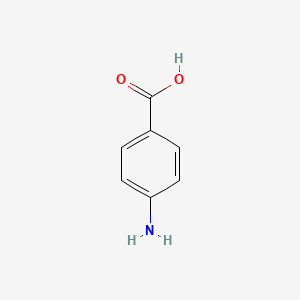
Description: PABA — chemical UV filter (UVB); largely phased out due to allergy and sensitization concerns.
All Functions: chemical UV filter (UVB); largely phased out due to allergy and sensitization concerns
Quick Facts:
- Category: sunscreen
- Regulatory Note: Prohibited in the EU
Proven Benefits At A Glance:
- PABA is a chemical sunscreen ingredient that was popular after World War II but has been largely phased out
- It was found to be a common skin sensitizer and could trigger cross-reactions with similar chemicals
- Prolonged PABA exposure has been linked to autoimmune responses including systemic lupus erythematosus and dermatomyositis
- In animal studies, PABA showed promise in slowing UV-induced tumor development
- A synthetic PABA derivative (ethylhexyl dimethyl PABA) used in modern sunscreens has raised toxicity concerns in research
Safety tier is a starting heuristic from regulatory status and comedogenic rating, not a dermatological verdict — see our Terms for the full disclaimer. Research confidence reflects how many real cited studies back this ingredient, not the strength of their findings.
🧪 PABA
PABA
CAS Number: 150-13-0
Also Known As: —
Category: sunscreen
EC Number: 205-753-0
Korean Name: 파바에스에이치-펜타펩타이드-9
4-Aminobenzoic acid
PABA is a sunscreen ingredient used in skincare formulations.
🌍 Regulatory Status
📊 Comedogenicity
📚 Research & Evidence
🔬 The Science
PABA, or para-aminobenzoic acid, has a complicated history in skincare. Originally embraced as a sunscreen hero in the post-World War II era, dermatologists gradually recognized serious problems. According to *Australasian Journal of Dermatology* (1999), PABA turned out to be a fairly common skin sensitizer—meaning it frequently triggered allergic contact reactions. More concerning, it could cross-sensitize with chemically similar compounds both through skin contact and when taken as systemic medications. Extended PABA exposure raised another red flag: #1: it was associated with autoimmune responses, particularly systemic lupus erythematosus and dermatomyositis. These complications were serious enough that dermatological societies in Australia discussed them formally in 1964 and 1965, ultimately contributing to PABA’s gradual withdrawal from sunscreen products.
On the beneficial side, animal research suggested real photoprotective potential. A study in *Archives of Dermatological Research* (1990) tested a 5% PABA solution on hairless mice exposed to UVB radiation. #2: PABA significantly delayed tumor development time and reduced both overall tumor yield and carcinoma yield (with statistical significance, p < 0.05). Interestingly, #3: skin thickness in PABA-protected mice matched untreated controls, whereas unprotected UV-exposed skin became significantly thicker, suggesting PABA prevented some UV damage at a tissue level. Today's concern centers on ethylhexyl dimethyl PABA, an oil-soluble derivative commonly used in modern sunscreens (typically at 0.5–2.0% concentration). According to *Toxicology Research* (2019), animal studies have identified toxicity to the testis, epididymis, spleen, and liver.
Laboratory tests on human skin cells showed #4: ethylhexyl dimethyl PABA inhibited cell growth and DNA synthesis at low doses and halted the cell cycle in melanoma cells. Most significantly, #5: this compound showed increased mutagenicity (ability to cause genetic mutations) when exposed to sunlight, raising concern that it could paradoxically increase sun-induced cancer risk despite blocking UVB. The same source notes clinical human data remain limited. Risk assessment calculations suggested a safety margin of 180 for maximum-use scenarios, though the presence of mutagenic potential under sun exposure remains a concern requiring further investigation.
💧 Skin Type Compatibility
⚠️ Don’t Combine With
🧴 Products Containing PABA
- Delia, Delia Cosmetics Cameleo Blond Moyen 7.0
- Maui Moisture Curl quench + coconut oil conditioner
- Netto Memory Fix Gel Coiffant
- Lovea Lait protecteur hydratant au Monoï de Tahiti SPF 30
- Auchan, Auchan Beauty Kids Spray solaire Water resistant UVA Kids
- Revuele Daily face cream, sunprotect
- Rituals… The Ritual of Ayurveda Nourishing Ultra-Shine Shampoo
📄 Related Research
Matched by search — not necessarily verified support for every statement above.
- Mackie BS et al. (1999). The PABA story. Australas J Dermatol.
- Marmelzat J et al. (1980). Photodermatitis with PABA. Contact Dermatitis.
- Gasparro FP (1986). PABA: friend or foe?. Photodermatol.
- Flindt-Hansen H et al. (1990). The inhibiting effect of PABA on photocarcinogenesis. Arch Dermatol Res.
- Sung CR et al. (2019). Risk Assessment of Ethylhexyl Dimethyl PABA in Cosmetics. Toxicol Res.
Similar Ingredients


📰 More News
-
The CCL20-CCR6 axis predominantly drives IL-17-mediated psoriasis while modestly contributing to papain-induced type 2 inflammation
PubMed · 23 days ago
-
SkinCeuticals Just Reformulated Its C E Ferulic Serum
Allure · 14 days ago
-
Are Sunscreen Oils Just Tanning Oils in Disguise? Experts Weigh In
Allure · 14 days ago
-
Update to RIFM fragrance ingredient safety assessment, propenylguaethol, CAS Registry Number 94-86-0
PubMed · 14 days ago
-
Earth Harbor Obscura Night Repair Concentrate Review
Allure · 13 days ago
-
Okay, We’ll Bite: Fruity Perfumes Are Cool
Allure · 13 days ago