Mia Seilern
⚠️ Data is provided for informational purposes only. It may contain inaccuracies and should be independently verified. This is not medical advice. Consult a healthcare professional before making health decisions.

Description: PERSEA GRATISSIMA OIL — rich moisturizing (Avocado Oil).

All Functions: rich moisturizing (Avocado Oil)

Quick Facts:

  • Category: emollient
  • Comedogenic Rating: 2/5

Proven Benefits At A Glance:

  • Persea gratissima oil comes from avocados and is mostly monounsaturated fat (71%), the type associated with heart health
  • Avocado oil may help your body absorb fat-soluble vitamins and plant compounds from vegetables
  • One animal study found avocado oil had a protective effect on prostate tissue in rats with induced enlargement
  • Most of the oil in avocados forms during early fruit development and doesn’t change much after harvest
Safety: Generally Low ConcernResearch confidence: Good

Safety tier is a starting heuristic from regulatory status and comedogenic rating, not a dermatological verdict — see our Terms for the full disclaimer. Research confidence reflects how many real cited studies back this ingredient, not the strength of their findings.

Pregnancy safe

🧪 PERSEA GRATISSIMA OIL

Chemical structure of PERSEA GRATISSIMA OIL

PERSEA GRATISSIMA OIL

CAS Number: 8024-32-6

Also Known As:

Category: emollient

EC Number: 232-428-0

Persea Gratissima Oil is the fixed oil obtained by pressing the dehydrated sliced flesh of the avocado pear, Persea gratissima, Lauraceae. It consists principally of the glycerides of fatty acids

PERSEA GRATISSIMA OIL is an emollient ingredient used in skincare formulations.

rich moisturizing (Avocado Oil)

🌍 Regulatory Status

EU: No restriction on fileUS: No restriction on file

📊 Comedogenicity

🟥🟥⬜⬜⬜

2/5

📚 Research & Evidence

PUBMED CITATIONS
5
Data sources: EU CosIng PubMed

🔬 The Science

Persea gratissima oil (avocado oil) has a distinctive fatty acid composition: 71% monounsaturated fatty acids (MUFA), 13% polyunsaturated fatty acids (PUFA), and 16% saturated fatty acids (SFA) according to research in *Critical Reviews in Food Science and Nutrition* (2013). This composition is notable because #1: the high MUFA content helps promote healthy blood lipid profiles, and #2: the oil enhances bioavailability of fat-soluble vitamins (like vitamins A, D, E, and K) and phytochemicals from other foods consumed alongside it—meaning when you eat avocado oil with vegetables, your body absorbs their beneficial compounds more effectively. The same source notes eight preliminary clinical studies support avocado consumption for cardiovascular health, though exploratory research on weight management and healthy aging remains inconclusive.

At the biochemical level, avocado oil accumulates in the fruit as triacylglycerols (TAG), comprising 60-70% of the mesocarp tissue on a dry-weight basis, according to *Frontiers in Plant Science* (2019). Most oil synthesis occurs during early fruit development and stops when the fruit is harvested; after harvest, the fatty acid composition changes minimally. One animal model study published in the *Journal of the American Nutrition Association* (2023) investigated avocado oil’s effects on prostate tissue in rats. Rats fed an avocado oil-based diet showed #3: reduced epithelial thickness in prostate tissue compared to control rats with induced prostate enlargement, suggesting a protective effect on the prostatic epithelium.

However, this was a rat study with induced hormone changes, so applicability to human health remains unclear. Note: The sources provided are limited regarding direct topical skincare applications of Persea gratissima oil—most evidence concerns avocado consumption rather than skincare use.

💧 Skin Type Compatibility

97%
Sensitive
40%
Oily
97%
Dry
93%
Combination
40%
Acne-prone
96%
Normal

Derived from this ingredient’s irritancy potential and comedogenicity rating against the needs of each skin type — e.g. oily and acne-prone skin are marked down for pore-clogging ingredients, sensitive skin for irritants. A starting heuristic, not a dermatological verdict.

⚠️ Don’t Combine With

No data yet
No known incompatibilities on file for this ingredient.

🧴 Products Containing PERSEA GRATISSIMA OIL

📄 Related Research

Matched by search — not necessarily verified support for every statement above.

Similar Ingredients

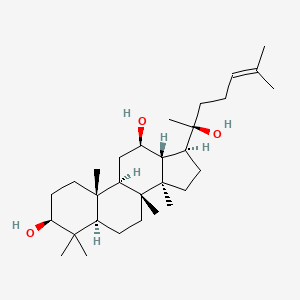
(20S)-PROTOPANAXADIOL
emollient
View
(ANGELICA ACUTILOBA/PAEONIA LACTIFLORA) ROOT/CNIDIUM OFFICINALE RHIZOME EXTRACT
emollient
View
1-METHYLHYDANTOIN-2-IMIDE
emollient
View
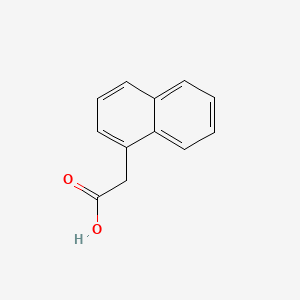
1-NAPHTHALENEACETIC ACID
emollient
View
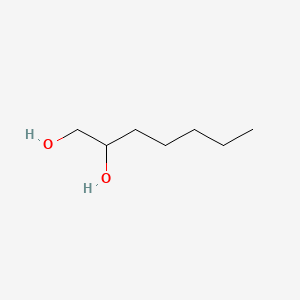
1,2-HEPTANEDIOL
1,2-HEPTANEDIOL
emollient
View
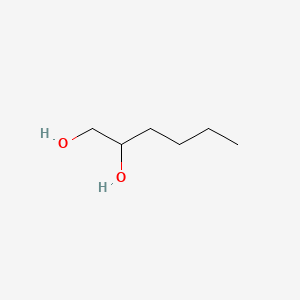
1,2-HEXANEDIOL
1,2-HEXANEDIOL
emollient
View
10-HYDROXYDECANOIC ACID
emollient
View
10-HYDROXYDECENOIC ACID
emollient
View