Mia Seilern
⚠️ Data is provided for informational purposes only. It may contain inaccuracies and should be independently verified. This is not medical advice. Consult a healthcare professional before making health decisions.

Description: SACCHARUM OFFICINARUM EXTRACT — hydration, natural source of glycolic acid (Sugar Cane Extract).

All Functions: hydration, natural source of glycolic acid (Sugar Cane Extract)

Quick Facts:

  • Category: humectant

Proven Benefits At A Glance:

  • Comes from sugarcane leaves and juice, which contain multiple phytochemicals (plant compounds)
  • Research in animals suggests potential antioxidant and anti-inflammatory properties
  • One study found liver-protective effects in rats with induced liver injury
  • Animal studies also identified pain-reducing compounds in sugarcane juice
  • Important: Most research is animal-based; human safety and efficacy data is limited
Safety: Generally Low ConcernResearch confidence: Good

Safety tier is a starting heuristic from regulatory status and comedogenic rating, not a dermatological verdict — see our Terms for the full disclaimer. Research confidence reflects how many real cited studies back this ingredient, not the strength of their findings.

🧪 SACCHARUM OFFICINARUM EXTRACT

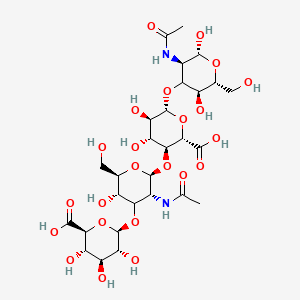
Chemical structure of SACCHARUM OFFICINARUM EXTRACT

SACCHARUM OFFICINARUM EXTRACT

CAS Number: 91722-22-4

Also Known As:

Category: humectant

EC Number: 294-424-5

Saccharum Officinarum Extract is an extract of the sugar cane, Saccharum officinarum L., Poaceae

SACCHARUM OFFICINARUM EXTRACT is a humectant ingredient used in skincare formulations.

hydrationnatural source of glycolic acid (Sugar Cane Extract)

🌍 Regulatory Status

EU: No restriction on fileUS: No restriction on file

📊 Comedogenicity

No data yet
Not rated for this ingredient yet.

📚 Research & Evidence

PUBMED CITATIONS
5
Data sources: EU CosIng PubMed

🔬 The Science

Saccharum officinarum extract comes from sugarcane, a plant traditionally used in some cultures as a tonic and energy supplement. The research available is mostly from animal studies, so claims about human benefits remain preliminary. #1: Antioxidant and anti-inflammatory potential — Sugarcane leaves are described as rich in phytochemicals with potential antimutation, anti-inflammatory, and antioxidant activity (J Basic Clin Physiol Pharmacol, 2021). The plant has also been reported to have anti-inflammatory and immune-stimulatory activities (J Basic Clin Physiol Pharmacol, 2020). #2: Possible liver support — In one rat study, an ethanol extract of sugarcane leaves at the highest dose tested (500 mg/kg) decreased liver injury markers (AST, ALT, ALP, and bilirubin) after toxic liver damage and showed improvement in liver tissue structure compared to untreated damaged livers (J Basic Clin Physiol Pharmacol, 2021).

However, the abstract notes there was no prior study on this effect, so this is early-stage research. #3: Pain-reducing compounds — Methanol fractions from sugarcane juice contain phenolic compounds and flavonoids that significantly reduced pain responses in mice, with effects involving the opioid system in the nervous system (Nat Prod Res, 2021). This is a mechanistic finding about what’s in the plant, not a demonstration of human pain relief. #4: Nervous system effects in animal models — An aqueous extract of sugarcane leaves increased motor activity, reduced anxiety-like behavior, and improved motor coordination in rats, with effects linked to dopamine pathways (J Ethnopharmacol, 2024).

The extract was described as showing potential adaptogen-like effects, though the researchers note that metabolic and molecular aspects in humans need further investigation. Important limitations: All efficacy data comes from animal studies (rats and mice), not human trials. Two studies reported adverse reproductive effects from sugarcane juice in male and female rats at high doses (J Basic Clin Physiol Pharmacol, 2020; Niger J Physiol Sci, 2023), suggesting dose and context matter. Topical skincare applications have not been studied in these abstracts — the research examines ingested juice or leaf extracts in animals.

💧 Skin Type Compatibility

No data yet
Per-skin-type data isn’t curated for this ingredient yet.

⚠️ Don’t Combine With

No data yet
No known incompatibilities on file for this ingredient.

🧴 Products Containing SACCHARUM OFFICINARUM EXTRACT

📄 Related Research

Matched by search — not necessarily verified support for every statement above.

Similar Ingredients

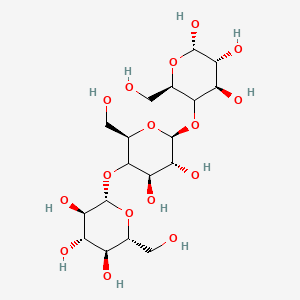
BETA-GLUCAN
BETA-GLUCAN
active
View
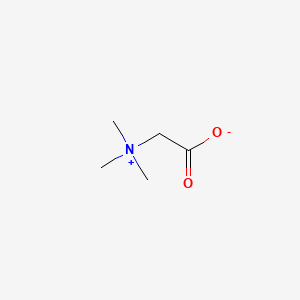
BETAINE
BETAINE
humectant
View
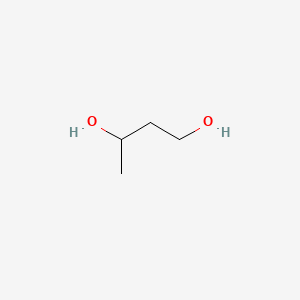
BUTYLENE GLYCOL
BUTYLENE GLYCOL
humectant
View
COCOS NUCIFERA FRUIT EXTRACT
humectant
View
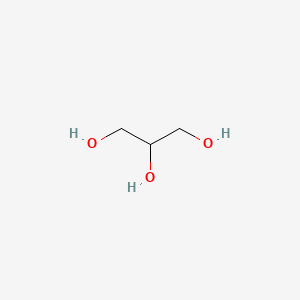
Glycerin
Glycerin
humectant
View
HONEY
HONEY
humectant
View
Hyaluronic Acid
Hyaluronic Acid
active
View
HYDROLYZED COLLAGEN
HYDROLYZED COLLAGEN
humectant
View