Mia Seilern
⚠️ Data is provided for informational purposes only. It may contain inaccuracies and should be independently verified. This is not medical advice. Consult a healthcare professional before making health decisions.

Description: SESAME OIL — EMOLLIENT.

All Functions: EMOLLIENT

Quick Facts:

  • Category: emollient
  • Also Known As: SESAMUM INDICUM SEED OIL
  • Comedogenic Rating: 2/5

Proven Benefits At A Glance:

  • Sesame oil contains natural compounds like lignans, tocopherols, phytosterols, and squalene that may have functional benefits
  • Research on sesame oil for pain relief from minor limb injuries shows mixed results—some studies suggest modest benefit, others found no significant effect
  • Topical sesame oil may help reduce infusion-related phlebitis (vein inflammation from IV lines), though evidence quality is moderate
  • No adverse side effects were reported in the studies reviewed
  • Evidence quality is moderate across studies; more rigorous research is needed to draw firm conclusions
Safety: Generally Low ConcernResearch confidence: None

Safety tier is a starting heuristic from regulatory status and comedogenic rating, not a dermatological verdict — see our Terms for the full disclaimer. Research confidence reflects how many real cited studies back this ingredient, not the strength of their findings.

Pregnancy safe

🧪 SESAME OIL

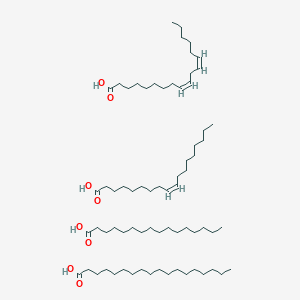
Chemical structure of SESAME OIL

SESAME OIL

CAS Number: 8008-74-0

Also Known As: SESAMUM INDICUM SEED OIL

Category: emollient

Sesame oil. Rich in antioxidants

SESAME OIL is an emollient ingredient used in skincare formulations.

EMOLLIENT

🌍 Regulatory Status

EU: No restriction on fileUS: No restriction on file

📊 Comedogenicity

🟥🟥⬜⬜⬜

2/5

📚 Research & Evidence

PUBMED CITATIONS
5
Data sources: EU CosIng PubMed

🔬 The Science

Sesame oil contains several bioactive compounds that researchers have studied for potential skincare and medical applications. According to *Foods* (2024), sesame oil naturally contains functional compounds including sesamin, sesamolin, tocopherol (a form of vitamin E), phytosterols (plant-derived compounds), and squalene (an oily substance). These compounds are believed to contribute antioxidant properties, though the research focuses primarily on their presence rather than specific skincare benefits. When it comes to pain relief, the evidence is conflicting. A meta-analysis in *Int Wound J* (2024) examining four randomized controlled trials found that #1: topical sesame oil combined with daily massage showed a statistically significant reduction in acute pain from minor limb trauma compared to standard care alone or placebo.

However, the researchers noted the evidence quality was only moderate, and only two of the four studies had strong methodological rigor. In contrast, a separate study in *J Chiropr Med* (2022) on 120 patients with limb trauma found that #2: despite the sesame oil group using fewer pain medications than the placebo group, there was no statistically significant difference in actual pain severity between the two groups. For a different application, sesame oil shows more promise for infusion-related phlebitis (inflammation of veins caused by IV lines). According to *Complement Ther Med* (2025), a systematic review of eight randomized controlled trials found that #3: adults receiving standard care plus topical sesame oil on the infusion site had significantly lower rates of phlebitis compared to control groups.

The qualitative findings suggested sesame oil may delay symptom onset and reduce pain severity, though again the evidence quality was rated as moderate. From a chemical perspective, *Lipids* (2008) notes that sesame oil was selected for ozonation studies specifically because of its high content of polyunsaturated fatty acids and natural antioxidants, suggesting these properties may be relevant to therapeutic applications, though this study focused on chemically modified (ozonated) sesame oil rather than the oil in its natural form. Across all studies reviewed, no adverse side effects from topical sesame oil application were reported. However, researchers consistently emphasize that higher-quality, more rigorous studies are needed before making confident claims about sesame oil’s effectiveness for any skincare or medical purpose.

💧 Skin Type Compatibility

97%
Sensitive
90%
Oily
97%
Dry
93%
Combination
90%
Acne-prone
96%
Normal

Derived from this ingredient’s irritancy potential and comedogenicity rating against the needs of each skin type — e.g. oily and acne-prone skin are marked down for pore-clogging ingredients, sensitive skin for irritants. A starting heuristic, not a dermatological verdict.

⚠️ Don’t Combine With

No data yet
No known incompatibilities on file for this ingredient.

🧴 Products Containing SESAME OIL

📄 Related Research

Matched by search — not necessarily verified support for every statement above.

Similar Ingredients

(20S)-PROTOPANAXADIOL
emollient
View
(ANGELICA ACUTILOBA/PAEONIA LACTIFLORA) ROOT/CNIDIUM OFFICINALE RHIZOME EXTRACT
emollient
View
2-CAPRYLOYL CAPRYLOYL METHYL ALANINATE
emollient
View
2,5-DIHYDROXYBENZOYL DIPEPTIDE-27
humectant
View
2,5-DIHYDROXYBENZOYL DIPEPTIDE-48
humectant
View
3,4-DIHYDROXYBENZOYL DIPEPTIDE-49 AMIDE
humectant
View
ABELMOSCHUS MANIHOT FLOWER WATER
emollient
View
ACACIA DEALBATA FLOWER WAX
emollient
View