Mia Seilern
⚠️ Data is provided for informational purposes only. It may contain inaccuracies and should be independently verified. This is not medical advice. Consult a healthcare professional before making health decisions.

Description: SODIUM HYALURONATE CROSSPOLYMER — hydration, film-forming, longer-lasting surface hydration.

All Functions: hydration, film-forming, longer-lasting surface hydration

Quick Facts:

  • Category: humectant

Proven Benefits At A Glance:

  • Sodium hyaluronate crosspolymer is a modified form of hyaluronic acid designed to stay on skin longer than regular hyaluronic acid
  • In a 56-day study, a cream containing this ingredient showed improvements in skin hydration, firmness, and elasticity
  • The ingredient is derived from hyaluronic acid, which naturally declines with age and contributes to dryness and loss of elasticity
  • Research on this ingredient is limited; only one published dermatology study specifically evaluated it in a skincare product
Safety: Generally Low ConcernResearch confidence: Fair

Safety tier is a starting heuristic from regulatory status and comedogenic rating, not a dermatological verdict — see our Terms for the full disclaimer. Research confidence reflects how many real cited studies back this ingredient, not the strength of their findings.

🧪 SODIUM HYALURONATE CROSSPOLYMER

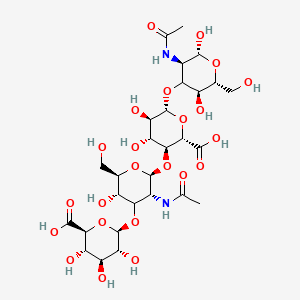
Chemical structure of SODIUM HYALURONATE CROSSPOLYMER

SODIUM HYALURONATE CROSSPOLYMER

CAS Number: 105524-32-1

Also Known As:

Category: humectant

Korean Name: 소듐하이알루로네이트크로스폴리머

Hyaluronic acid, sodium salt, polymer with 1,1′-sulfonylbis[ethene]

SODIUM HYALURONATE CROSSPOLYMER is a humectant ingredient used in skincare formulations.

hydrationfilm-forminglonger-lasting surface hydration

🌍 Regulatory Status

EU: No restriction on fileUS: No restriction on file

📊 Comedogenicity

No data yet
Not rated for this ingredient yet.

📚 Research & Evidence

PUBMED CITATIONS
2
Data sources: EU CosIng PubMed

🔬 The Science

Sodium hyaluronate crosspolymer is a chemically modified version of hyaluronic acid—a naturally occurring substance found in skin that holds moisture and supports elasticity. The “crosspolymer” structure means hyaluronic acid molecules are chemically linked together in a network, which theoretically allows the ingredient to remain on skin longer than standard hyaluronic acid (Clin Cosmet Investig Dermatol, 2017). #1: One clinical study found that after 56 days of twice-daily application in a multi-ingredient cream, skin hydration increased by 12% compared to baseline, measured with specialized equipment (Clin Cosmet Investig Dermatol, 2017). #2: The same study reported skin firmness improved by 29% and elasticity by 20% over the same period (Clin Cosmet Investig Dermatol, 2017).

#3: Users also reported visible improvements in skin texture and a reduction in brown and red spots (Clin Cosmet Investig Dermatol, 2017). However, it’s important to note that this ingredient was tested only as part of a formulation containing multiple active ingredients—carnosine, Alteromonas ferment extract, and a tripeptide—so we cannot isolate the specific contribution of the sodium hyaluronate crosspolymer alone. The scientific literature on this ingredient for skincare is currently limited to this single study, making it difficult to draw broader conclusions about its standalone efficacy.

💧 Skin Type Compatibility

No data yet
Per-skin-type data isn’t curated for this ingredient yet.

⚠️ Don’t Combine With

No data yet
No known incompatibilities on file for this ingredient.

🧴 Products Containing SODIUM HYALURONATE CROSSPOLYMER

📄 Related Research

Matched by search — not necessarily verified support for every statement above.

Similar Ingredients

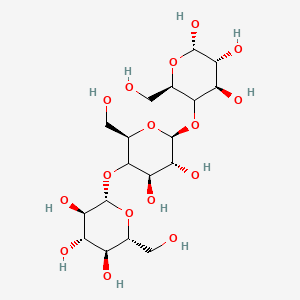
BETA-GLUCAN
BETA-GLUCAN
active
View
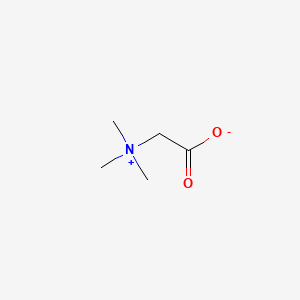
BETAINE
BETAINE
humectant
View
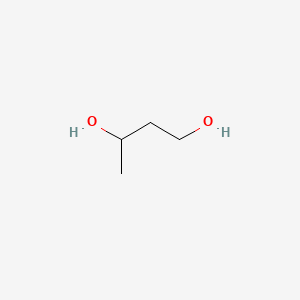
BUTYLENE GLYCOL
BUTYLENE GLYCOL
humectant
View
COCOS NUCIFERA FRUIT EXTRACT
humectant
View
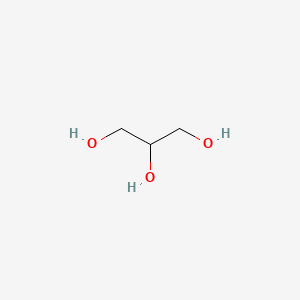
Glycerin
Glycerin
humectant
View
HONEY
HONEY
humectant
View
Hyaluronic Acid
Hyaluronic Acid
active
View
HYDROLYZED COLLAGEN
HYDROLYZED COLLAGEN
humectant
View