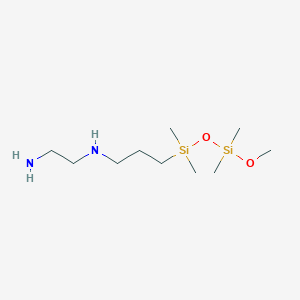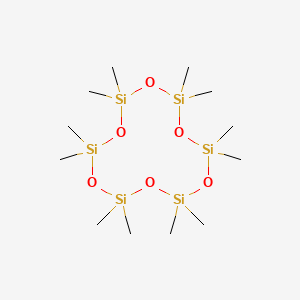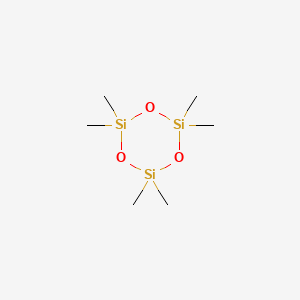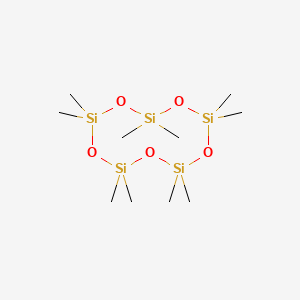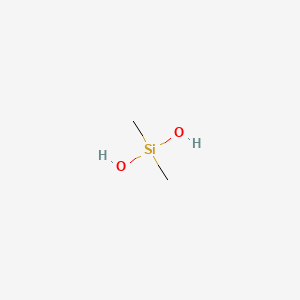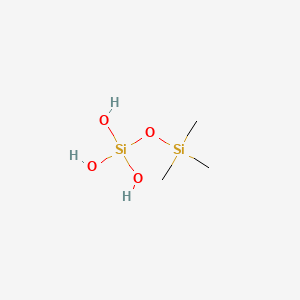
Description: TRIMETHYLSILOXYSILICATE — silicone, film-forming, adds water resistance.
All Functions: silicone, film-forming, adds water resistance
Quick Facts:
- Category: emollient
Proven Benefits At A Glance:
- A silicone-based ingredient used in cosmetics as a film-former, thickener, and skin conditioner
- Functions as both a soft and hard film-forming agent in sunscreens and skincare products
- Creates a persistent, non-occlusive layer on skin that resists washing
- Deemed safe by the Cosmetic Ingredient Review Expert Panel when formulated to avoid respiratory irritation
- Can enhance UV protection in sunscreens when combined with other film-forming agents
Safety tier is a starting heuristic from regulatory status and comedogenic rating, not a dermatological verdict — see our Terms for the full disclaimer. Research confidence reflects how many real cited studies back this ingredient, not the strength of their findings.
🧪 TRIMETHYLSILOXYSILICATE
TRIMETHYLSILOXYSILICATE
CAS Number: 56275-01-5
Also Known As: —
Category: emollient
Korean Name: 트라이메틸실록시실리케이트
Silica, reaction products with trimethylsilane
TRIMETHYLSILOXYSILICATE is an emollient ingredient used in skincare formulations.
🌍 Regulatory Status
📊 Comedogenicity
📚 Research & Evidence
🔬 The Science
Trimethylsiloxysilicate (often abbreviated TMSS) is a modified silicone polymer that belongs to a family of ingredients called siloxysilicates. Here’s what the research shows about how it works and what it does. **What it does in formulas:** The Cosmetic Ingredient Review Expert Panel identified multiple functions for trimethylsiloxysilicate in cosmetics (Int J Toxicol, 2013). #1: It acts as an antifoaming agent, preventing unwanted bubbles. #2: It works as an anticaking agent and bulking agent, helping powders flow smoothly. #3: It conditions skin as an emollient (softening) and occlusive (moisture-barrier) agent. #4: It modifies slip—the glide and feel of a product on skin.
#5: It increases viscosity in non-aqueous (oil-based) formulations, making products thicker. **Film-forming and durability:** One of trimethylsiloxysilicate’s most notable properties is its ability to form a durable film on skin. In a 2021 study on essential oil delivery (Int J Pharm, 2021), researchers used a 100% trimethylsiloxysilicate resin specifically because it creates “a very substantive and non-occlusive film”—meaning it sticks around on skin without blocking it from breathing. A 1988 analysis (Int J Cosmet Sci, 1988) found that when combined with other silicones, trimethylsiloxysilicate improves “substantivity,” the ability of a product to stay on skin through multiple wash cycles. The resin’s low solubility is what drives this persistence.
**Use in sunscreens:** Recent research (Polymers (Basel), 2024) explored trimethylsiloxysilicate as a “hard film” component in multi-layer sunscreen formulations. When combined with other film-forming agents and powder ingredients with similar chemical structures, it enhanced UV protection measurably: sun protection factor (SPF) increased by 61.58% and UVA protection factor (PFA) increased by 43.84% in the tested formula. The ingredient’s interaction with other components helped prevent clumping and created a more uniform protective layer. **Safety:** The Cosmetic Ingredient Review Expert Panel (Int J Toxicol, 2013) concluded that trimethylsiloxysilicate is safe as used in cosmetics, provided the final product is formulated to avoid irritating or sensitizing the respiratory tract—a consideration for powder formulations or spray products.
**Limitations in available research:** The sources provided focus mainly on technical functionality and safety assessment. There is limited consumer-facing clinical data on specific skin benefits like anti-aging, acne treatment, or visible texture improvement. Most studies examine trimethylsiloxysilicate within complex multi-ingredient formulations, making it difficult to isolate its individual contribution to skin appearance or feel.
💧 Skin Type Compatibility
⚠️ Don’t Combine With
🧴 Products Containing TRIMETHYLSILOXYSILICATE
- Funk Crema para peinar
- Vogue Vogue Colorissimo
- Deborah 24 Ore Long Lasting – Crayon Lèvres Longue Tenue
- Dermato Science SensilianeSun lait protecteur 50+
- Kiko Tuscan sunshine eyeliner duo 02
- L’OREAL NORGE AS L’Oréal Paris True Match 145 Bois de Rose Blush
- L’OREAL NORGE AS L’Oreal Blush True Match Rose Bonne Mine 165
- Estēe Lauder Double Wear
- Les Cosmetiques Facial pieles sensibles spf30 sun ultimate
- Les Cosmetiques Loción solar spf30 sun ultimate
- Blue Lizard Sensitive Mineral Sunscreen
- Deliplus Pintalabios Color Fix 01
- MAC Studio Radiance 24HR Luminous Lift Concealer NC11
- Kiko Tuscan sunshine eyeliner duo 03
- Red One Conditioning Beard & Mustache Keratin Care Oil Hipster Style
- L’OREAL NORGE AS L’Oreal Infallible Foundation Porcelaine 015
- L’OREAL NORGE AS L’Oreal Foundation Infallible Lin/Linen 100
- Ertia
- Revlon Dramatic Definition 251 Noir Intense
📄 Related Research
Matched by search — not necessarily verified support for every statement above.
- Becker LC et al. (2013). Safety assessment of silylates and surface-modified siloxysilicates. Int J Toxicol.
- Chen Y et al. (2024). Structural Similarity-Induced Inter-Component Interaction in Silicone Polymer-Based Composite Sunscreen Film for Enhanced UV Protection. Polymers (Basel).
- Sounouvou HT et al. (2021). Development of a highly persistent silicone-based sprayable emulsion containing essential oils for treatment of skin infections. Int J Pharm.
- Disapio A et al. (1988). Silicones: use of substantive properties on skin and hair. Int J Cosmet Sci.
- Ogihara H et al. (2011). One-step electrophoretic deposition for the preparation of superhydrophobic silica particle/trimethylsiloxysilicate composite coatings. J Colloid Interface Sci.
Similar Ingredients
📰 More News
-
The CCL20-CCR6 axis predominantly drives IL-17-mediated psoriasis while modestly contributing to papain-induced type 2 inflammation
PubMed · 23 days ago
-
SkinCeuticals Just Reformulated Its C E Ferulic Serum
Allure · 14 days ago
-
Are Sunscreen Oils Just Tanning Oils in Disguise? Experts Weigh In
Allure · 14 days ago
-
Update to RIFM fragrance ingredient safety assessment, propenylguaethol, CAS Registry Number 94-86-0
PubMed · 14 days ago
-
Earth Harbor Obscura Night Repair Concentrate Review
Allure · 13 days ago
-
Okay, We’ll Bite: Fruity Perfumes Are Cool
Allure · 13 days ago