TEA TREE OIL
CAS 68647-73-4 · also known as Tea Tree Oil · fragrance · EC 285-377-1
Opinion: used in cosmetic products
TEA TREE OIL is a fragrance ingredient used in skincare formulations.
Quick facts
Description: TEA TREE OIL — fragrance.
All Functions: fragrance
Quick Facts:
- Category: fragrance
- Also Known As: Tea Tree Oil
- Regulatory Note: Restricted in the EU
Proven Benefits At A Glance:
- Tea tree oil comes from the leaves of Melaleuca alternifolia via steam distillation
- It contains over 100 chemical compounds, with terpinen-4-ol as the main one
- Used topically in skincare products at 5–10% concentration
- Has been studied for antiseptic properties against bacteria, fungi, viruses, and mites
- Generally well tolerated when applied to skin, but should never be swallowed
- Can cause allergic contact dermatitis in some people
- Should not be applied near breasts if nursing, due to hormone-related concerns
Chemical Overview
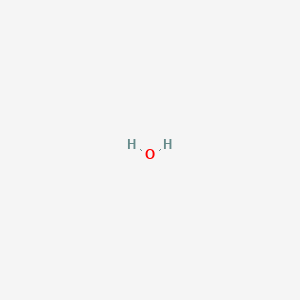
Water appears as a clear, nontoxic liquid composed of hydrogen and oxygen, essential for life and the most widely used solvent. Include water in a mixture to learn how it could react with other chemicals in the mixture. Water is an oxygen hydride consisting of an oxygen atom that is covalently bonded to two hydrogen atoms. It has a role as an amphiprotic solvent, a mouse metabolite, a Saccharomyces cerevisiae metabolite, a member of greenhouse gas, an Escherichia coli metabolite and a human metabolite. It is an oxygen hydride, a mononuclear parent hydride and an inorganic hydroxy compound. It is a conjugate base of an oxonium. It is a conjugate acid of a hydroxide. Water (chemical formula: H2O) is a transparent fluid which forms the world’s streams, lakes, oceans and rain, and is the major constituent of the fluids of organisms. As a chemical compound, a water molecule contains one oxygen and two hydrogen atoms that are connected by covalent bonds. Water is a liquid at standard ambient temperature and pressure, but it often co-exists on Earth with its solid state, ice; and gaseous state, steam (water vapor).
Source(s): ChEBI, CAMEO Chemicals, DrugBank, via PubChem
Comedogenicity
Similar Ingredients
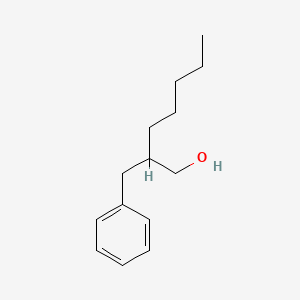
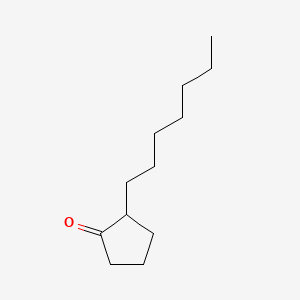
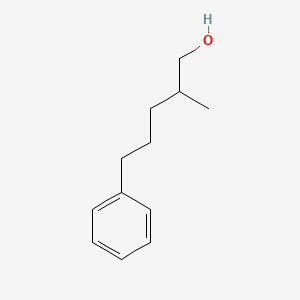
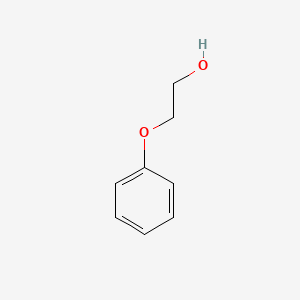
📰 More News
-
The CCL20-CCR6 axis predominantly drives IL-17-mediated psoriasis while modestly contributing to papain-induced type 2 inflammation
PubMed · Jul 11, 2026
-
SkinCeuticals Just Reformulated Its C E Ferulic Serum
Allure · Jul 20, 2026
-
Are Sunscreen Oils Just Tanning Oils in Disguise? Experts Weigh In
Allure · Jul 20, 2026
-
Update to RIFM fragrance ingredient safety assessment, propenylguaethol, CAS Registry Number 94-86-0
PubMed · Jul 20, 2026
-
Earth Harbor Obscura Night Repair Concentrate Review
Allure · Jul 21, 2026
-
Okay, We’ll Bite: Fruity Perfumes Are Cool
Allure · Jul 21, 2026