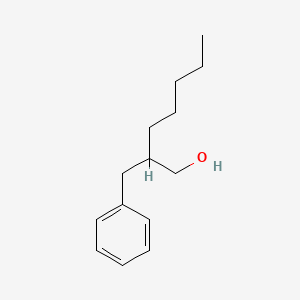
2-BENZYLHEPTANOL
CAS 92368-90-6 · fragrance · EC 296-229-0 · KR 2-벤질헵탄올
Generally Low Concern2 citations
Benzenepropanol, beta-pentyl-; alpha-Pentyl-hydrocinnamic alcohol
2-BENZYLHEPTANOL is a fragrance ingredient used in skincare formulations.
FRAGRANCEPERFUMING
⚠️ Data is provided for informational purposes only. It may contain inaccuracies and should be independently verified. This is not medical advice. Consult a healthcare professional before making health decisions.
Quick facts
Description: 2-BENZYLHEPTANOL — FRAGRANCE, PERFUMING.
All Functions: FRAGRANCE, PERFUMING
Quick Facts:
- Category: fragrance
Proven Benefits At A Glance:
- 2-Benzylheptanol is a fragrance ingredient belonging to the Aryl Alkyl Alcohols chemical family
- It is classified as a primary alcohol, meaning it has a specific chemical structure with an alcohol group attached to a benzene ring
- Safety assessments for this ingredient exist in peer-reviewed toxicology and dermatology literature
- It is used in fragrance applications
Comedogenicity
No data yet
Not rated for this ingredient yet.
Similar Ingredients
📰 More News
-
The CCL20-CCR6 axis predominantly drives IL-17-mediated psoriasis while modestly contributing to papain-induced type 2 inflammation
PubMed · Jul 11, 2026
-
SkinCeuticals Just Reformulated Its C E Ferulic Serum
Allure · Jul 20, 2026
-
Are Sunscreen Oils Just Tanning Oils in Disguise? Experts Weigh In
Allure · Jul 20, 2026
-
Update to RIFM fragrance ingredient safety assessment, propenylguaethol, CAS Registry Number 94-86-0
PubMed · Jul 20, 2026
-
Earth Harbor Obscura Night Repair Concentrate Review
Allure · Jul 21, 2026
-
Okay, We’ll Bite: Fruity Perfumes Are Cool
Allure · Jul 21, 2026