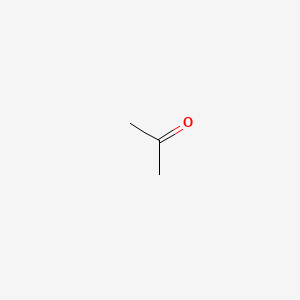
ACETONE
CAS 67-64-1 · other · EC 200-662-2 · KR 아세톤
Acetone
ACETONE is an other ingredient used in skincare formulations.
Quick facts
Description: ACETONE — DENATURANT, FRAGRANCE, SOLVENT.
All Functions: DENATURANT, FRAGRANCE, SOLVENT
Quick Facts:
- Category: other
Proven Benefits At A Glance:
- Acetone is a ketone produced by your body when you burn fat for energy, released through breath and skin
- Scientists are developing wearable sensors to detect acetone as a non-invasive way to monitor metabolic states like ketosis
- Skin acetone shows promise as a biomarker comparable to blood tests for detecting ketosis
- Acetone in breath has been studied as a potential indicator of various health conditions including diabetes and asthma
Chemical Overview
Acetone is a manufactured chemical that is also found naturally in the environment. It is a colorless liquid with a distinct smell and taste. It evaporates easily, is flammable, and dissolves in water. It is also called dimethyl ketone, 2-propanone, and beta-ketopropane. Acetone is used to make plastic, fibers, drugs, and other chemicals. It is also used to dissolve other substances. It occurs naturally in plants, trees, volcanic gases, forest fires, and as a product of the breakdown of body fat. It is present in vehicle exhaust, tobacco smoke, and landfill sites. Industrial processes contribute more acetone to the environment than natural processes. Acetone appears as a clear colorless liquid with a sweetish odor. Flash point 0 °F. Less dense than water. Vapors are heavier than air. Used as a solvent in paint and nail polish removers. Acetone is a methyl ketone that consists of propane bearing an oxo group at C2. It has a role as a polar aprotic solvent, a human metabolite and an EC 3.5.1.4 (amidase) inhibitor. It is a volatile organic compound, a member of propanones, a methyl ketone and a ketone body.
Source(s): CAMEO Chemicals, Agency for Toxic Substances and Disease Registry (ATSDR), ChEBI, via PubChem
Comedogenicity
Similar Ingredients
📰 More News
-
The CCL20-CCR6 axis predominantly drives IL-17-mediated psoriasis while modestly contributing to papain-induced type 2 inflammation
PubMed · Jul 11, 2026
-
SkinCeuticals Just Reformulated Its C E Ferulic Serum
Allure · Jul 20, 2026
-
Are Sunscreen Oils Just Tanning Oils in Disguise? Experts Weigh In
Allure · Jul 20, 2026
-
Update to RIFM fragrance ingredient safety assessment, propenylguaethol, CAS Registry Number 94-86-0
PubMed · Jul 20, 2026
-
Earth Harbor Obscura Night Repair Concentrate Review
Allure · Jul 21, 2026
-
Okay, We’ll Bite: Fruity Perfumes Are Cool
Allure · Jul 21, 2026