Mia Seilern
BENZYL ALCOHOL
⚠️ Data is provided for informational purposes only. It may contain inaccuracies and should be independently verified. This is not medical advice. Consult a healthcare professional before making health decisions.

Description: BENZYL ALCOHOL — preservative, solvent, fragrance ingredient.

All Functions: preservative, solvent, fragrance ingredient

Quick Facts:

  • Category: preservative
  • Regulatory Note: Restricted in the EU

Proven Benefits At A Glance:

  • Benzyl alcohol is a preservative, solvent, and fragrance ingredient used in many skincare products
  • True allergic sensitization to benzyl alcohol is very rare — only 0.21% of over 70,000 patch-tested patients showed a positive reaction
  • Most positive reactions observed were weakly positive, and reproducibility was low
  • When sensitization does occur, it’s most common in older adults and people with existing leg dermatitis
  • Regulatory bodies have concluded benzyl alcohol is safe at concentrations currently used in cosmetics
Safety: CautionResearch confidence: Good

Safety tier is a starting heuristic from regulatory status and comedogenic rating, not a dermatological verdict — see our Terms for the full disclaimer. Research confidence reflects how many real cited studies back this ingredient, not the strength of their findings.

EU-listed allergen

⚠️ Allergen Warning

BENZYL ALCOHOL is listed as an EU-recognized allergen (fragrance) and must be disclosed on product labels above the required threshold concentration.

🧪 BENZYL ALCOHOL

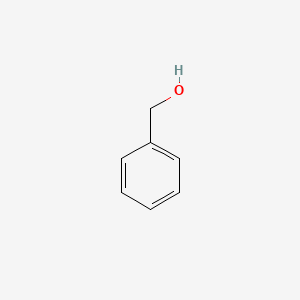
Chemical structure of BENZYL ALCOHOL

BENZYL ALCOHOL

CAS Number: 100-51-6

Also Known As:

Category: preservative

EC Number: 202-859-9

Korean Name: 벤질알코올

Benzyl alcohol

BENZYL ALCOHOL is a preservative ingredient used in skincare formulations.

preservativesolventfragrance ingredient

🌍 Regulatory Status

EU: RestrictedUS: No restriction on file

EU max concentration: 1.0%

📊 Comedogenicity

No data yet
Not rated for this ingredient yet.

📚 Research & Evidence

PUBMED CITATIONS
5
Data sources: EU CosIng PubMed

🔬 The Science

Benzyl alcohol is a primary alcohol—meaning it has an alcohol group (–OH) attached to a carbon bonded to a benzene ring, making it part of a fragrance chemical class called Aryl Alkyl Alcohols (J Eur Acad Dermatol Venereol, 2022; Food Chem Toxicol, 2012). The ingredient serves multiple functions: preservative, solvent, and fragrance material. #1: Sensitization is uncommon. In a large retrospective analysis of 70,867 patients patch-tested with benzyl alcohol at 1% concentration over a decade, only 146 patients (0.21%) showed a positive allergic reaction, with 89% of these reactions being weakly positive (J Eur Acad Dermatol Venereol, 2022). The same study found that doubtful and irritant reactions actually outnumbered true positive reactions, and positive reactions had poor reproducibility when retested—suggesting many initial “positives” may not be reliable indicators of true allergy.

#2: Risk factors are specific. Among people who did test positive, significantly more were aged 40 or older (81.5% vs. 70.5% in negative group) and more had leg dermatitis, particularly stasis dermatitis—a chronic skin condition affecting the lower legs (J Eur Acad Dermatol Venereol, 2022). People who tested positive were also more likely to have suspected reactions to topical medications generally. #3: Safety at current use levels is established. After reviewing toxicology and dermatology data including acute toxicity, skin irritation, eye irritation, skin sensitization, and other safety parameters, expert panels determined that benzyl alcohol, benzoic acid and its salts, and benzyl benzoate are safe in cosmetics at the concentrations currently used in practice (Int J Toxicol, 2017; Food Chem Toxicol, 2012).

Note: The sources provided focus on allergic contact dermatitis and safety at standard cosmetic concentrations. They don’t discuss potential benefits of benzyl alcohol in skincare beyond its functional role as a preservative and solvent.

💧 Skin Type Compatibility

40%
Sensitive
96%
Oily
94%
Dry
95%
Combination
96%
Acne-prone
95%
Normal

Derived from this ingredient’s irritancy potential and comedogenicity rating against the needs of each skin type — e.g. oily and acne-prone skin are marked down for pore-clogging ingredients, sensitive skin for irritants. A starting heuristic, not a dermatological verdict.

⚠️ Don’t Combine With

No data yet
No known incompatibilities on file for this ingredient.

🧴 Products Containing BENZYL ALCOHOL

📄 Related Research

Matched by search — not necessarily verified support for every statement above.

Similar Ingredients

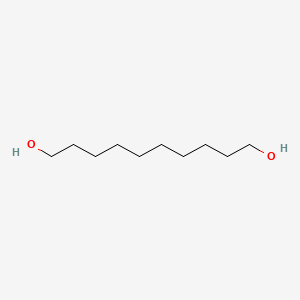
1,10-DECANEDIOL
1,10-DECANEDIOL
other
View
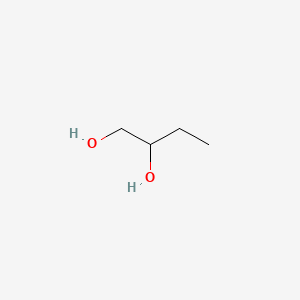
1,2-BUTANEDIOL
1,2-BUTANEDIOL
humectant
View
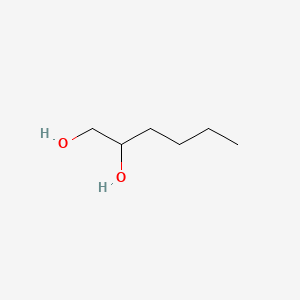
1,2-HEXANEDIOL
1,2-HEXANEDIOL
emollient
View
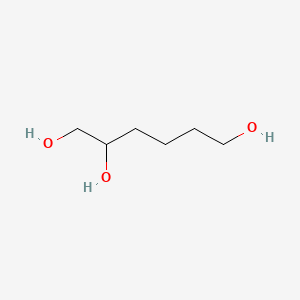
1,2,6-HEXANETRIOL
1,2,6-HEXANETRIOL
humectant
View
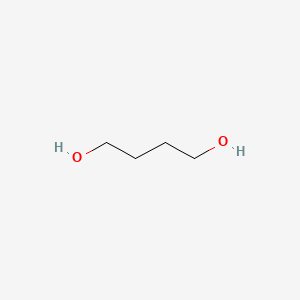
1,4-BUTANEDIOL
1,4-BUTANEDIOL
other
View
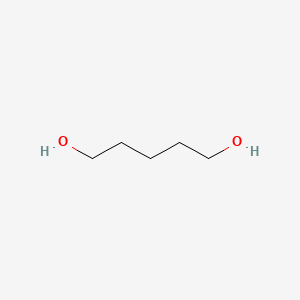
1,5-PENTANEDIOL
1,5-PENTANEDIOL
other
View
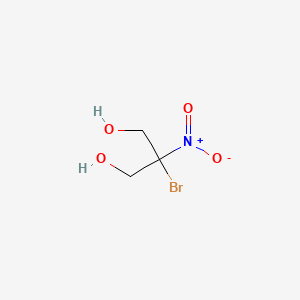
2-BROMO-2-NITROPROPANE-1,3-DIOL
preservative
View
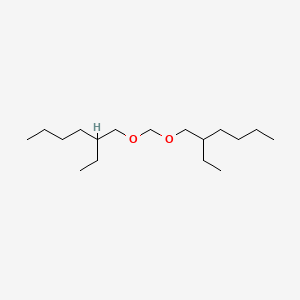
2-ETHYLHEXYLAL
2-ETHYLHEXYLAL
other
View