Mia Seilern
BISABOLOL
⚠️ Data is provided for informational purposes only. It may contain inaccuracies and should be independently verified. This is not medical advice. Consult a healthcare professional before making health decisions.

Description: BISABOLOL — soothing, anti-inflammatory (derived from chamomile).

All Functions: soothing, anti-inflammatory (derived from chamomile)

Quick Facts:

  • Category: active

Proven Benefits At A Glance:

  • Bisabolol is a natural compound from German chamomile used in many skincare products
  • Research suggests it may help calm skin inflammation
  • It’s used in moisturizers, cleansers, sunscreens, and makeup
  • Some people can develop allergic reactions to bisabolol
  • Water solubility is a challenge researchers are working to improve
Safety: Generally Low ConcernResearch confidence: Good

Safety tier is a starting heuristic from regulatory status and comedogenic rating, not a dermatological verdict — see our Terms for the full disclaimer. Research confidence reflects how many real cited studies back this ingredient, not the strength of their findings.

Pregnancy safe

🧪 BISABOLOL

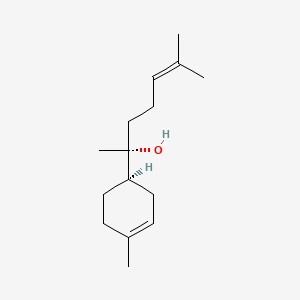
Chemical structure of BISABOLOL

BISABOLOL

CAS Number: 515-69-5 / 23089-26-1

Also Known As:

Category: active

EC Number: 208-205-9 / 245-423-3

Korean Name: 비사보롤

(R*,R*)-.alpha.,4-dimethyl-.alpha.-(4-methyl-3-pentenyl)cyclohex-3-ene-1-methanol;
3-Cyclohexene-1-methanol, alpha,4-dimethyl-alpha-(4-methyl-3-pentenyl)-, (theta,theta)-(+/-)-;
3-Cyclohexene-1-methanol, alpha,4-dimethyl-alpha-(4-methyl-3-pentenyl)-, (S-(theta,theta))- (levomenol)

BISABOLOL is an active ingredient used in skincare formulations.

soothinganti-inflammatory (derived from chamomile)

🌍 Regulatory Status

EU: No restriction on fileUS: No restriction on file

📊 Comedogenicity

No data yet
Not rated for this ingredient yet.

📚 Research & Evidence

PUBMED CITATIONS
5
Data sources: EU CosIng PubMed

🔬 The Science

Bisabolol (also called α-bisabolol) is a monocyclic sesquiterpene alcohol—basically a naturally occurring plant compound with a specific molecular structure—first isolated from German chamomile (Dermatitis, 2010; Nutrients, 2022). It appears in many cosmetic formulations because manufacturers believe it has skin-soothing properties (Dermatitis, 2010). #1: Anti-inflammatory potential. In laboratory and animal studies, bisabolol reduced the production of inflammatory signaling molecules (called proinflammatory cytokines) in immune cells, and when applied topically to inflamed mouse ears, it reduced swelling, tissue damage, and markers of oxidative stress in a dose-dependent way (Curr Pharm Biotechnol, 2014). However, these are animal and cell-culture studies—human skin research is limited.

#2: Multiple potential properties. Beyond inflammation, experimental studies have suggested bisabolol may have antibacterial, anticancer, and neuroprotective effects (Molecules, 2022; Nutrients, 2022), though the Nutrients review emphasizes these are mostly cell-line and animal-model findings, and more human research is needed before making health claims. #3: Safety concerns exist. While toxicity profiles for topical use appear favorable in the research available (Curr Pharm Biotechnol, 2014), allergic contact dermatitis from bisabolol has been reported in Europe and the United States, and it may worsen atopic dermatitis in sensitive individuals (Dermatitis, 2010). People who develop sensitivity to bisabolol should avoid all products containing it.

#4: Absorption challenges. A major limitation is that bisabolol has poor water solubility, which can restrict how well it’s absorbed and used in formulations (Molecules, 2022). Researchers are exploring chemical modifications to make it more effective, but these advances are still in the laboratory phase. The bottom line: bisabolol shows promising anti-inflammatory effects in controlled studies, but human clinical data is sparse. It’s a recognized ingredient in cosmetics with regulatory approval, yet it can trigger allergies in some people.

💧 Skin Type Compatibility

100%
Sensitive
100%
Oily
100%
Dry
100%
Combination
100%
Acne-prone
100%
Normal

Derived from this ingredient’s irritancy potential and comedogenicity rating against the needs of each skin type — e.g. oily and acne-prone skin are marked down for pore-clogging ingredients, sensitive skin for irritants. A starting heuristic, not a dermatological verdict.

⚠️ Don’t Combine With

No data yet
No known incompatibilities on file for this ingredient.

🧴 Products Containing BISABOLOL

📄 Related Research

Matched by search — not necessarily verified support for every statement above.

Similar Ingredients

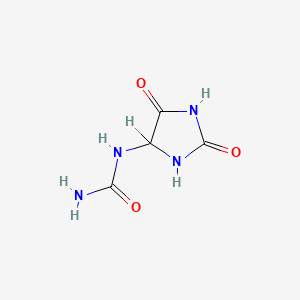
ALLANTOIN
ALLANTOIN
active
View
ALOE BARBADENSIS LEAF EXTRACT
active
View
ALTHAEA OFFICINALIS EXTRACT
skin conditioning
View
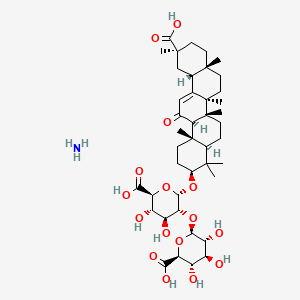
AMMONIUM GLYCYRRHIZATE
active
View
ARNICA MONTANA EXTRACT
active
View
AVENA SATIVA KERNEL EXTRACT
active
View
AVENA SATIVA KERNEL FLOUR
active
View
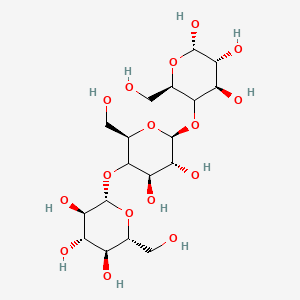
BETA-GLUCAN
BETA-GLUCAN
active
View