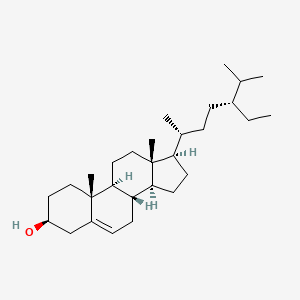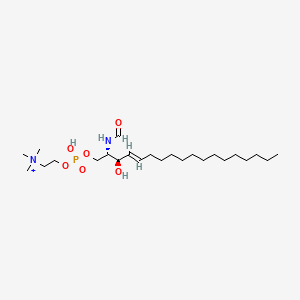
Description: GLYCOLIPIDS — barrier support, moisturizing.
All Functions: barrier support, moisturizing
Quick Facts:
- Category: emollient
Proven Benefits At A Glance:
- Glycolipids are natural molecules that can work as surfactants, emulsifiers, and other functional ingredients in skincare
- They can be derived from microorganisms, microalgae, or marine sources as biodegradable alternatives to synthetic chemicals
- Common glycolipids used in cosmetics include sophorolipids, rhamnolipids, and mannosylerythritol lipids
- Glycolipids are valued for low toxicity and environmental safety compared to chemically synthesized surfactants
Safety tier is a starting heuristic from regulatory status and comedogenic rating, not a dermatological verdict — see our Terms for the full disclaimer. Research confidence reflects how many real cited studies back this ingredient, not the strength of their findings.
🧪 GLYCOLIPIDS
GLYCOLIPIDS
CAS Number: —
Also Known As: —
Category: emollient
Korean Name: 글라이코리피드
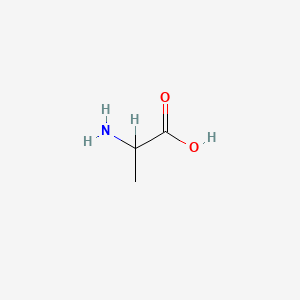
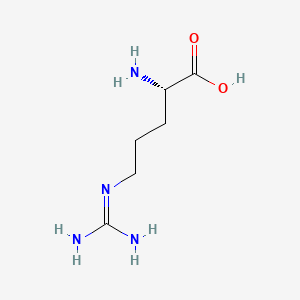
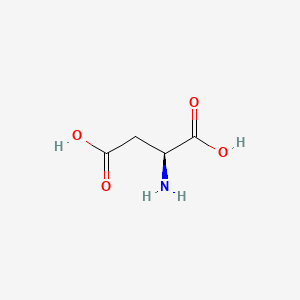
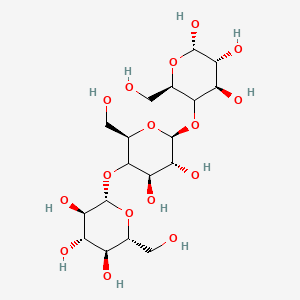
Glycolipids are mixed substances which contain carbohydrates covalently attached to a lipid
GLYCOLIPIDS is an emollient ingredient used in skincare formulations.
🌍 Regulatory Status
📊 Comedogenicity
📚 Research & Evidence
🔬 The Science
Glycolipids are amphiphilic molecules—meaning they have both water-loving and water-repelling parts—that can perform multiple functions in skincare formulas (Int J Cosmet Sci, 2009). #1: They act as surfactants and emulsifiers, helping oils and water mix together and making products feel smooth and effective. The naturally derived glycolipids stand out because they offer biodegradability, low toxicity, and ecological acceptability, addressing concerns about adverse reactions from traditional synthetic surfactants (Int J Cosmet Sci, 2009). Three specific glycolipids have become the most widely used in cosmetics: sophorolipids, rhamnolipids, and mannosylerythritol lipids (Int J Cosmet Sci, 2009). These can be produced by microorganisms and possess biological activities beyond basic surfactant functions, combining cosmetic efficiency with safety and economic benefits.
#2: The structure of a glycolipid—particularly the size of its “headgroup” (the sugar-containing part)—significantly influences how it behaves in formulas and how stable it keeps emulsions. For example, one synthetic glycolipid called β-glucoside formed more stable emulsions in oil over a 5-day period compared to similar variants (Langmuir, 2026). This structural flexibility means glycolipids can be tailored for specific cosmetic and pharmaceutical applications. #3: Glycolipids can also be sourced from marine organisms like seaweed and shellfish, though these remain underexplored in skincare due to technical challenges in extraction and identification (Mar Drugs, 2025). Beyond surfactant and emulsifier roles, marine glycolipids show potential as antioxidants and bioactive ingredients suitable for cosmetics and dietary supplements.
One note of caution: research has identified certain glycolipids (specifically Neu5Gc-containing gangliosides) naturally present in healthy human skin tissue (Front Immunol, 2023). While this finding relates to immune responses rather than skincare efficacy, it highlights that glycolipids interact with skin biology in ways still being understood. The sources provided focus on glycolipids’ functional and safety benefits but do not contain specific clinical evidence for anti-aging, hydration, or other common skincare claims.
💧 Skin Type Compatibility
⚠️ Don’t Combine With
🧴 Products Containing GLYCOLIPIDS
- b
- Lidherma Cell active hidro cream
- Centifolia Shampooing crème cheveux normaux
- Yves Rocher Yves Rocher Reparation Shampooing Soin Nutri-Reparateur
- Dermalogica Precleanse Balm
- Briogeo Briogeo
- ouidad vitacurl gel
- Sephora Beauty insider
- henkel, vademecum Homéophytol
- Le Petit Marseillais Shampooing au lait d’avoine et à la gelée royale
- Rene Furterer Paris Karité Nutri
- Cattier Shampoing extra-doux Protéines de blé
- Cattier Shampooing démêlant parfum pomme Kids bio
- Naturé moi Shampooing aux 3 Huiles
- Douce Nature Shampooing crème nourrissant cheveux secs et abîmées au karité bio & jojoba bio
- Douce Nature, Ekibio Shampooing crème éclat couleur cheveux colorés grenade bio et framboise bio
- Bayer Bepanthen Protect
- Cosmo naturel, Laboratoire Gravier Baume demelant Karité – verveine – citron
- Yves Rocher Shampooing Soin Nutri-Réparateur
- SVR SVR Topialyse Baume Protect+
📄 Related Research
Matched by search — not necessarily verified support for every statement above.
- Lourith N et al. (2009). Natural surfactants used in cosmetics: glycolipids. Int J Cosmet Sci.
- Manni M et al. (2023). Detection of N-glycolyl-neuraminic acid-containing glycolipids in human skin. Front Immunol.
- Zahid NI et al. (2026). Headgroup-Dependent Thermotropic and Lyotropic Phase Behavior and Emulsifying Behavior of Guerbet Branched-Chain Glycolipids. Langmuir.
- Wang X et al. (2016). Nitrogen and hydrophosphate affects glycolipids composition in microalgae. Sci Rep.
- Dhakal S et al. (2025). Analytical Approaches to the Rapid Characterisation of Marine Glycolipids in Bioproduct Discovery. Mar Drugs.
Similar Ingredients
📰 More News
-
The CCL20-CCR6 axis predominantly drives IL-17-mediated psoriasis while modestly contributing to papain-induced type 2 inflammation
PubMed · 23 days ago
-
SkinCeuticals Just Reformulated Its C E Ferulic Serum
Allure · 14 days ago
-
Are Sunscreen Oils Just Tanning Oils in Disguise? Experts Weigh In
Allure · 14 days ago
-
Update to RIFM fragrance ingredient safety assessment, propenylguaethol, CAS Registry Number 94-86-0
PubMed · 14 days ago
-
Earth Harbor Obscura Night Repair Concentrate Review
Allure · 13 days ago
-
Okay, We’ll Bite: Fruity Perfumes Are Cool
Allure · 13 days ago