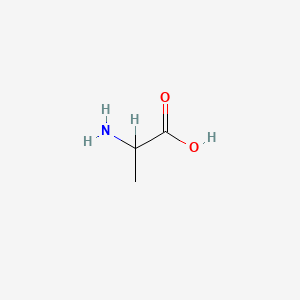
ALANINE
CAS 302-72-7 / 56-41-7 · humectant · EC 206-126-4 / 200-273-8 · KR 알라닌
Alanine
ALANINE is a humectant ingredient used in skincare formulations.
Quick facts
Description: ALANINE — amino acid, part of the skin natural moisturizing factor (NMF).
All Functions: amino acid, part of the skin natural moisturizing factor (NMF)
Quick Facts:
- Category: humectant
Proven Benefits At A Glance:
- β-alanine is a naturally occurring amino acid found in nature
- Your body uses β-alanine to make carnosine, a compound that helps muscles maintain proper pH balance
- β-alanine is synthesized in your liver and combines with histidine to form carnosine, which accumulates in muscles and brain tissue
- Since your body typically has more histidine than β-alanine, you need dietary sources to support carnosine production
- A derivative called N-acetyl-L-alanine showed promise in reducing eczema-like symptoms in a mouse model of atopic dermatitis
- β-alanine has been studied as a treatment for aquagenic pruritus, a rare water-triggered itching condition
Chemical Overview
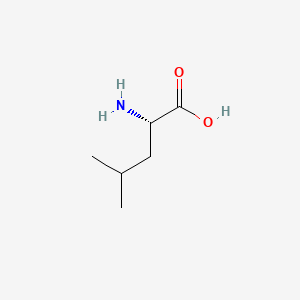
Alanine is an alpha-amino acid that consists of propionic acid bearing an amino substituent at position 2. It has a role as a fundamental metabolite. It is functionally related to a propionic acid. It is a conjugate base of an alaninium. It is a conjugate acid of an alaninate. It is a tautomer of an alanine zwitterion. DL-alanine has been reported in Homo sapiens, Juncus effusus, and Caenorhabditis elegans with data available. DL-Alanine is a racemic mixture of alanine, a non-essential alpha-amino acid. Alanine is one of the most common residues for protein synthesis and is involved in the metabolism of tryptophan and vitamin pyridoxine. Furthermore, alanine is an important source of energy for muscles and central nervous system. It strengthens the immune system, helps in the metabolism of sugars and organic acids, and displays a cholesterol-reducing effect in animals.
Source(s): NCI Thesaurus (NCIt), LOTUS – the natural products occurrence database, ChEBI, via PubChem
Comedogenicity
Similar Ingredients
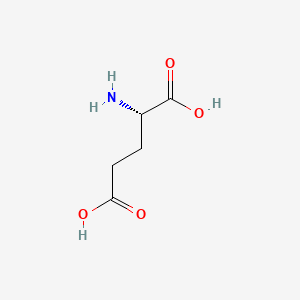
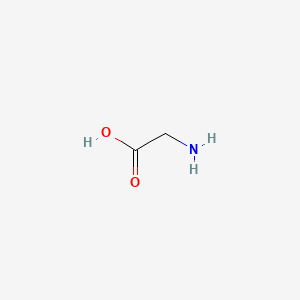
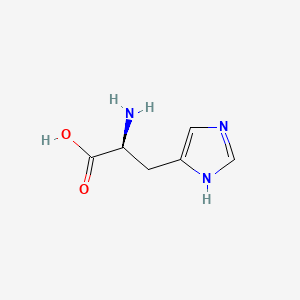
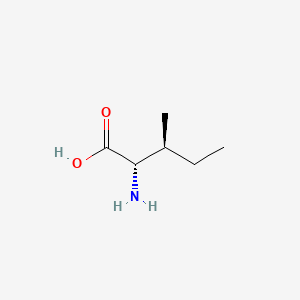
📰 More News
-
The CCL20-CCR6 axis predominantly drives IL-17-mediated psoriasis while modestly contributing to papain-induced type 2 inflammation
PubMed · Jul 11, 2026
-
SkinCeuticals Just Reformulated Its C E Ferulic Serum
Allure · Jul 20, 2026
-
Are Sunscreen Oils Just Tanning Oils in Disguise? Experts Weigh In
Allure · Jul 20, 2026
-
Update to RIFM fragrance ingredient safety assessment, propenylguaethol, CAS Registry Number 94-86-0
PubMed · Jul 20, 2026
-
Earth Harbor Obscura Night Repair Concentrate Review
Allure · Jul 21, 2026
-
Okay, We’ll Bite: Fruity Perfumes Are Cool
Allure · Jul 21, 2026