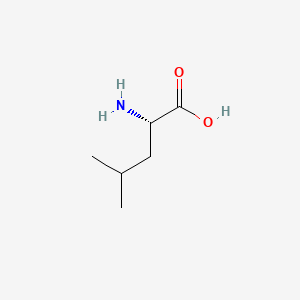
LEUCINE
CAS 61-90-5 · humectant · EC 200-522-0 · KR 류신
L-Leucine
LEUCINE is a humectant ingredient used in skincare formulations.
Quick facts
Description: LEUCINE — amino acid, part of the skin natural moisturizing factor (NMF).
All Functions: amino acid, part of the skin natural moisturizing factor (NMF)
Quick Facts:
- Category: humectant
Proven Benefits At A Glance:
- Leucine appears in research primarily as part of protein structures and signaling molecules, not as a standalone skincare ingredient
- Sources discuss leucine-rich proteins involved in cancer biology, immune function, and wound healing—not topical leucine benefits
- No sources provide evidence that leucine applied to skin improves appearance, texture, or skin health
Chemical Overview
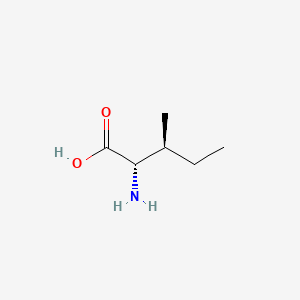
Leucine is a branched-chain amino acid that consists of glycine in which one of the hydrogens attached to the alpha-carbon is substituted by an isobutyl group. It has a role as a Daphnia magna metabolite. It is a branched-chain amino acid and an alpha-amino acid. It contains an isobutyl group. It is a conjugate base of a leucinium. It is a conjugate acid of a leucinate. DL-leucine has been reported in Homo sapiens, Pisum sativum, and other organisms with data available. See also: L-Leucine (annotation moved to).
Source(s): LOTUS – the natural products occurrence database, PubChem, ChEBI, via PubChem
Comedogenicity
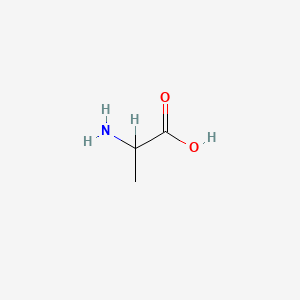
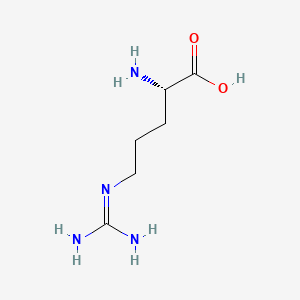
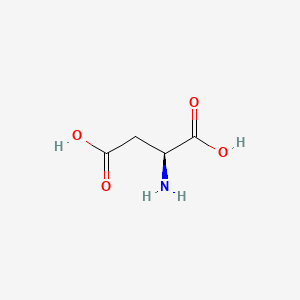
Similar Ingredients
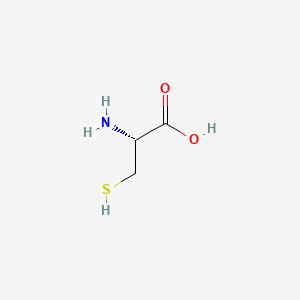
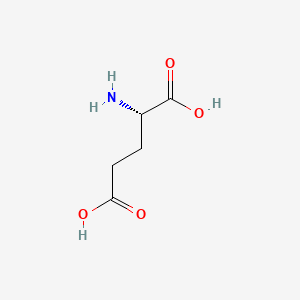
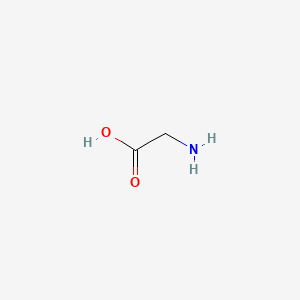
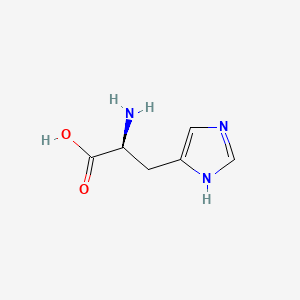
📰 More News
-
The CCL20-CCR6 axis predominantly drives IL-17-mediated psoriasis while modestly contributing to papain-induced type 2 inflammation
PubMed · Jul 11, 2026
-
SkinCeuticals Just Reformulated Its C E Ferulic Serum
Allure · Jul 20, 2026
-
Are Sunscreen Oils Just Tanning Oils in Disguise? Experts Weigh In
Allure · Jul 20, 2026
-
Update to RIFM fragrance ingredient safety assessment, propenylguaethol, CAS Registry Number 94-86-0
PubMed · Jul 20, 2026
-
Earth Harbor Obscura Night Repair Concentrate Review
Allure · Jul 21, 2026
-
Okay, We’ll Bite: Fruity Perfumes Are Cool
Allure · Jul 21, 2026