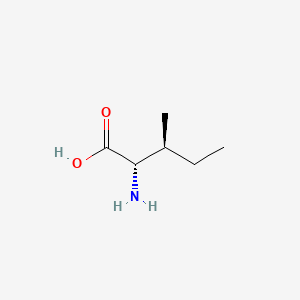
ISOLEUCINE
CAS 73-32-5 / 443-79-8 · humectant · EC 200-798-2 / 207-139-8 · KR 아이소류신
L-Isoleucine; DL-allo-Isoleucine; 2-Amino-3-methylpentanoic acid
ISOLEUCINE is a humectant ingredient used in skincare formulations.
Quick facts
Description: ISOLEUCINE — amino acid, part of the skin natural moisturizing factor (NMF).
All Functions: amino acid, part of the skin natural moisturizing factor (NMF)
Quick Facts:
- Category: humectant
Proven Benefits At A Glance:
- Isoleucine is an essential amino acid—your body can’t make it, so you need it from food or supplements
- Research in fish shows dietary isoleucine may support skin barrier function and antimicrobial defenses
- One study linked elevated isoleucine from certain bacteria to cardiovascular concerns in animal models, though this involves a specific pathogenic pathway
- Isoleucine is produced industrially as a safe nutritional additive for animal feed
- Isoleucine deficiency in animal studies was associated with eye and skin issues and reduced resistance to microbes
Chemical Overview
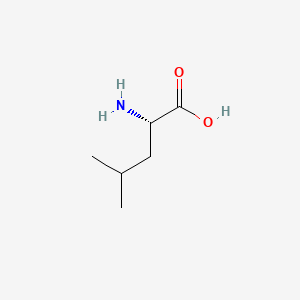
2-amino-3-methylpentanoic acid is a branched chain amino acid that consists of 3-methylpentanoic acid bearing an amino substituent at position 2. It is a branched-chain amino acid and an alpha-amino acid. 2-amino-3-methylpentanoic acid has been reported in Daphnia magna, Mus musculus, and Caenorhabditis elegans with data available. L-Isoleucine is one of the essential amino acids that cannot be made by the body and is known for its ability to help endurance and assist in the repair and rebuilding of muscle. This amino acid is important to body builders as it helps boost energy and helps the body recover from training. L-Isoleucine is also classified as a branched-chain amino acid (BCAA). It helps promote muscle recovery after exercise. Isoleucine is actually broken down for energy within the muscle tissue. It is important in hemoglobin synthesis and regulation of blood sugar and energy levels.
Source(s): LOTUS – the natural products occurrence database, ChEBI, Toxin and Toxin Target Database (T3DB), via PubChem
Comedogenicity
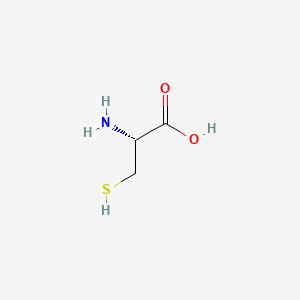
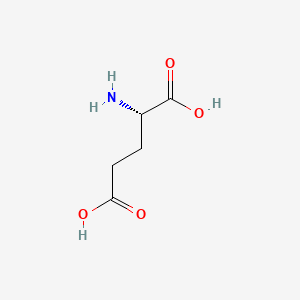
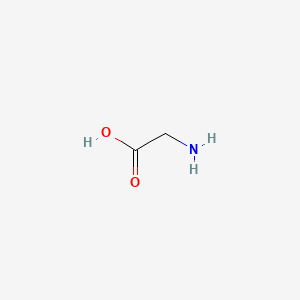
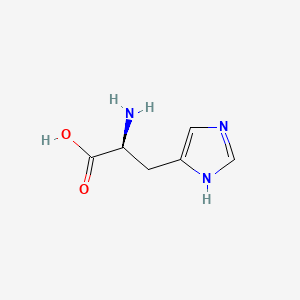
Similar Ingredients
📰 More News
-
The CCL20-CCR6 axis predominantly drives IL-17-mediated psoriasis while modestly contributing to papain-induced type 2 inflammation
PubMed · Jul 11, 2026
-
SkinCeuticals Just Reformulated Its C E Ferulic Serum
Allure · Jul 20, 2026
-
Are Sunscreen Oils Just Tanning Oils in Disguise? Experts Weigh In
Allure · Jul 20, 2026
-
Update to RIFM fragrance ingredient safety assessment, propenylguaethol, CAS Registry Number 94-86-0
PubMed · Jul 20, 2026
-
Earth Harbor Obscura Night Repair Concentrate Review
Allure · Jul 21, 2026
-
Okay, We’ll Bite: Fruity Perfumes Are Cool
Allure · Jul 21, 2026