Mia Seilern
⚠️ Data is provided for informational purposes only. It may contain inaccuracies and should be independently verified. This is not medical advice. Consult a healthcare professional before making health decisions.

Description: HYDROGENATED POLYISOBUTENE — lightweight emollient, gloss agent.

All Functions: lightweight emollient, gloss agent

Quick Facts:

  • Category: emollient
  • Comedogenic Rating: 1/5

Proven Benefits At A Glance:

  • A synthetic emollient (skin-softening ingredient) derived from isobutene, a petroleum-based chemical
  • Works by forming a protective layer on skin and helping it retain moisture
  • In a small study, it reduced water loss from skin by about 33% compared to untreated skin, and outperformed a similar ingredient (CCT) by 5-10%
  • Safety testing found no skin irritation, allergic reactions, or sensitization at concentrations tested
  • The ingredient is poorly absorbed through skin and considered to have very low toxicity
Safety: Generally Low ConcernResearch confidence: Fair

Safety tier is a starting heuristic from regulatory status and comedogenic rating, not a dermatological verdict — see our Terms for the full disclaimer. Research confidence reflects how many real cited studies back this ingredient, not the strength of their findings.

EU-listed allergen

⚠️ Allergen Warning

HYDROGENATED POLYISOBUTENE is listed as an EU-recognized allergen (contact) and must be disclosed on product labels above the required threshold concentration.

🧪 HYDROGENATED POLYISOBUTENE

Chemical structure of HYDROGENATED POLYISOBUTENE

HYDROGENATED POLYISOBUTENE

CAS Number: 40921-86-6 / 61693-08-1

Also Known As:

Category: emollient

Korean Name: 하이드로제네이티드폴리아이소부텐

Propene, 2-methyl-, homopolymer

HYDROGENATED POLYISOBUTENE is an emollient ingredient used in skincare formulations.

lightweight emollientgloss agent

🌍 Regulatory Status

EU: No restriction on fileUS: No restriction on file

📊 Comedogenicity

🟥⬜⬜⬜⬜

1/5

📚 Research & Evidence

PUBMED CITATIONS
2
Data sources: EU CosIng PubMed

🔬 The Science

Hydrogenated Polyisobutene (HP) is a large polymer—basically a long chain of molecules—made from isobutene, a chemical derived from petroleum (Int J Toxicol, 2008). It functions as an emollient and viscosity-increasing agent, meaning it softens skin and thickens formulas. In terms of what it actually does: #1: HP helps skin retain moisture. When researchers tested an emulsion (a creamy formula) containing 8% HP on human skin, it reduced transepidermal water loss (TEWL)—the amount of water that naturally evaporates from skin—by approximately 33% compared to an untreated control within 3 hours, and this effect lasted up to 6 hours (J Cosmet Sci, 2009).

#2: It performed slightly better than a comparison emollient ingredient called CCT (capric/caprylic triglyceride), showing 5-10% greater effectiveness in both reducing water loss and increasing skin conductivity (a measurable marker of skin hydration) throughout the testing period (J Cosmet Sci, 2009). The researchers also noted that skin treated with HP showed “fine texture” visually compared to untreated skin (J Cosmet Sci, 2009). The exact mechanism isn’t fully understood, but the ingredient’s ability to form a film and resist being rubbed off likely contributes to these effects. On safety: Clinical testing found #3: no skin irritation or allergic sensitization at concentrations of up to 4% in products (Int J Toxicol, 2008).

It is not an ocular irritant and was not comedogenic (pore-clogging) in animal studies (Int J Toxicol, 2008). Animal studies of the related ingredient polybutene—given orally over 2 years in rats and dogs—showed no cancer, reproductive harm, or organ damage at tested doses (Int J Toxicol, 2008). Because HP is a large, water-insoluble molecule, it is absorbed very poorly through skin and the gastrointestinal tract, which further limits potential toxicity concerns (Int J Toxicol, 2008). The Cosmetic Ingredient Review Expert Panel concluded it does not present risks at typical use concentrations, though they noted some data gaps remain (Int J Toxicol, 2008).

💧 Skin Type Compatibility

74%
Sensitive
85%
Oily
84%
Dry
84%
Combination
85%
Acne-prone
86%
Normal

Derived from this ingredient’s irritancy potential and comedogenicity rating against the needs of each skin type — e.g. oily and acne-prone skin are marked down for pore-clogging ingredients, sensitive skin for irritants. A starting heuristic, not a dermatological verdict.

⚠️ Don’t Combine With

No data yet
No known incompatibilities on file for this ingredient.

🧴 Products Containing HYDROGENATED POLYISOBUTENE

📄 Related Research

Matched by search — not necessarily verified support for every statement above.

Similar Ingredients

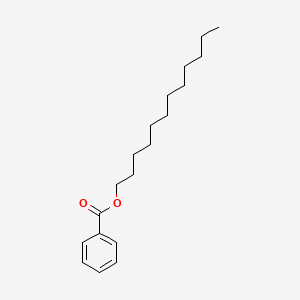
C12-15 ALKYL BENZOATE
emollient
View
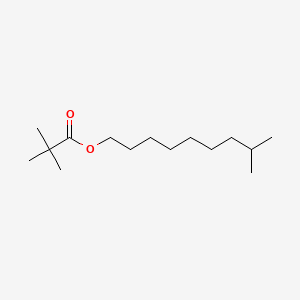
ISODECYL NEOPENTANOATE
emollient
View
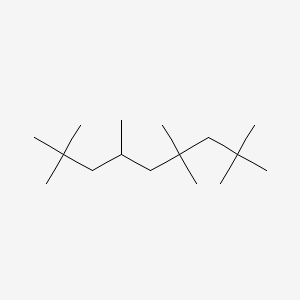
ISOHEXADECANE
ISOHEXADECANE
emollient
View
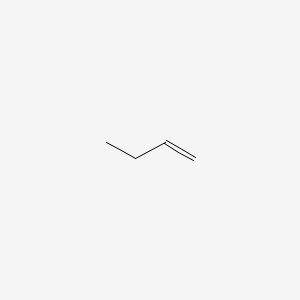
POLYBUTENE
POLYBUTENE
emollient
View
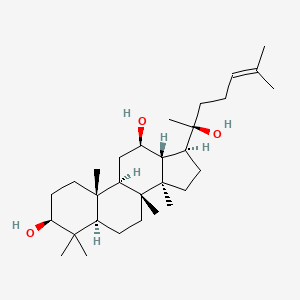
(20S)-PROTOPANAXADIOL
emollient
View
(ANGELICA ACUTILOBA/PAEONIA LACTIFLORA) ROOT/CNIDIUM OFFICINALE RHIZOME EXTRACT
emollient
View
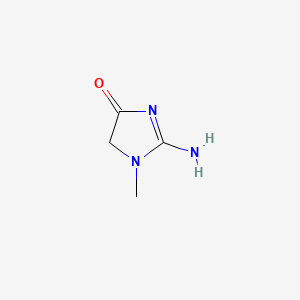
1-METHYLHYDANTOIN-2-IMIDE
emollient
View
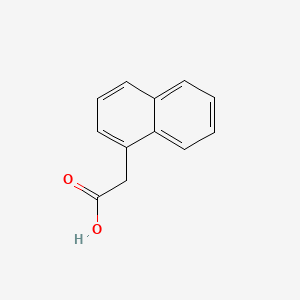
1-NAPHTHALENEACETIC ACID
emollient
View