Mia Seilern
ISODECYL NEOPENTANOATE
⚠️ Data is provided for informational purposes only. It may contain inaccuracies and should be independently verified. This is not medical advice. Consult a healthcare professional before making health decisions.

Description: ISODECYL NEOPENTANOATE — lightweight emollient.

All Functions: lightweight emollient

Quick Facts:

  • Category: emollient
  • Comedogenic Rating: 2/5

Proven Benefits At A Glance:

  • ISODECYL NEOPENTANOATE is a poorly water-soluble liquid chemical
  • Research has studied how to improve its biodegradability in testing conditions
  • No consumer skincare benefits are established in available research abstracts
Safety: Generally Low ConcernResearch confidence: Fair

Safety tier is a starting heuristic from regulatory status and comedogenic rating, not a dermatological verdict — see our Terms for the full disclaimer. Research confidence reflects how many real cited studies back this ingredient, not the strength of their findings.

🧪 ISODECYL NEOPENTANOATE

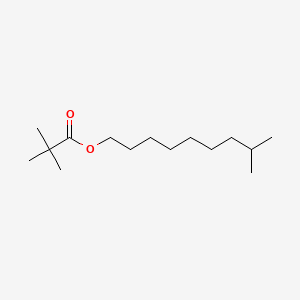
Chemical structure of ISODECYL NEOPENTANOATE

ISODECYL NEOPENTANOATE

CAS Number: 60209-82-7

Also Known As:

Category: emollient

EC Number: 262-108-6

Korean Name: 아이소데실네오펜타노에이트

Propanoic acid, 2,2-dimethyl-, isodecyl ester

ISODECYL NEOPENTANOATE is an emollient ingredient used in skincare formulations.

lightweight emollient

🌍 Regulatory Status

EU: No restriction on fileUS: No restriction on file

📊 Comedogenicity

🟥🟥⬜⬜⬜

2/5

📚 Research & Evidence

PUBMED CITATIONS
1
Data sources: EU CosIng PubMed

🔬 The Science

ISODECYL NEOPENTANOATE is a liquid chemical that doesn’t dissolve easily in water. A 2016 study published in Environmental Science and Pollution Research International examined this ingredient as part of research into how poorly water-soluble substances break down in the environment. The study wasn’t about skincare benefits—it was about environmental biodegradation testing methods. Researchers compared different preparation techniques to improve how microorganisms could access and break down the chemical during laboratory testing. For this liquid ingredient specifically, the methods that worked best were adsorption onto silica gel and ultrasonic dispersion (Environ Sci Pollut Res Int, 2016). The available research does not provide information about how this ingredient functions in skincare products, its safety profile for skin use, or any cosmetic benefits it may offer.

If you’re curious about why this ingredient is in your skincare product, that information would need to come from the product manufacturer’s own documentation or other sources beyond the scientific literature reviewed here.

💧 Skin Type Compatibility

97%
Sensitive
90%
Oily
97%
Dry
93%
Combination
90%
Acne-prone
96%
Normal

Derived from this ingredient’s irritancy potential and comedogenicity rating against the needs of each skin type — e.g. oily and acne-prone skin are marked down for pore-clogging ingredients, sensitive skin for irritants. A starting heuristic, not a dermatological verdict.

⚠️ Don’t Combine With

No data yet
No known incompatibilities on file for this ingredient.

🧴 Products Containing ISODECYL NEOPENTANOATE

📄 Related Research

Matched by search — not necessarily verified support for every statement above.

Similar Ingredients

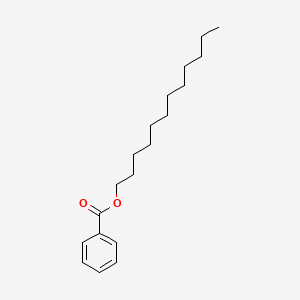
C12-15 ALKYL BENZOATE
emollient
View
HYDROGENATED POLYISOBUTENE
emollient
View
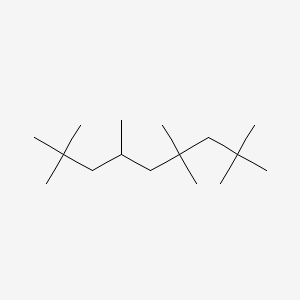
ISOHEXADECANE
ISOHEXADECANE
emollient
View
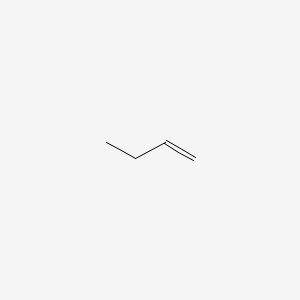
POLYBUTENE
POLYBUTENE
emollient
View
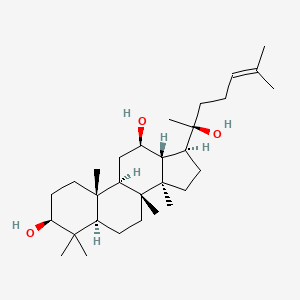
(20S)-PROTOPANAXADIOL
emollient
View
(ANGELICA ACUTILOBA/PAEONIA LACTIFLORA) ROOT/CNIDIUM OFFICINALE RHIZOME EXTRACT
emollient
View
1-METHYLHYDANTOIN-2-IMIDE
emollient
View
1-NAPHTHALENEACETIC ACID
emollient
View