Mia Seilern
⚠️ Data is provided for informational purposes only. It may contain inaccuracies and should be independently verified. This is not medical advice. Consult a healthcare professional before making health decisions.

Description: POLYBUTENE — lightweight emollient, gloss agent.

All Functions: lightweight emollient, gloss agent

Quick Facts:

  • Category: emollient
  • Comedogenic Rating: 1/5

Proven Benefits At A Glance:

  • Polybutene is a polymer used in cosmetics as a binder, film former, and emollient
  • Safety assessments found no dermal irritation, sensitization, or comedogenicity in standard tests
  • The ingredient is poorly absorbed through skin due to its large molecular size and low water solubility
  • Inhalation of polybutene aerosol at very high concentrations caused lung toxicity in animal studies
  • As used in cosmetic products, polybutene was deemed safe by the Cosmetic Ingredient Review Expert Panel
Safety: Generally Low ConcernResearch confidence: Good

Safety tier is a starting heuristic from regulatory status and comedogenic rating, not a dermatological verdict — see our Terms for the full disclaimer. Research confidence reflects how many real cited studies back this ingredient, not the strength of their findings.

🧪 POLYBUTENE

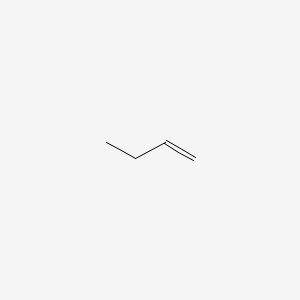
Chemical structure of POLYBUTENE

POLYBUTENE

CAS Number: 9003-28-5 / 9003-29-6

Also Known As:

Category: emollient

EC Number:

Korean Name: 폴리부텐

Polybutene is the polymer formed by the polymerization of a mixture of iso- and normal butenes.

POLYBUTENE is an emollient ingredient used in skincare formulations.

lightweight emollientgloss agent

🌍 Regulatory Status

EU: No restriction on fileUS: No restriction on file

📊 Comedogenicity

🟥⬜⬜⬜⬜

1/5

📚 Research & Evidence

PUBMED CITATIONS
5
Data sources: EU CosIng PubMed

🔬 The Science

Polybutene is a large polymer molecule—think of it as a long chain of repeated chemical units—that serves multiple functions in skincare formulations. According to the International Journal of Toxicology (2008), polybutene and hydrogenated polybutene work as binders, film formers, and viscosity-increasing agents (meaning they thicken products). The ingredient is also used as a skin-conditioning agent and emollient, which means it can help soften skin. #1: Safety in typical use. The safety assessment found that polybutene shows no signs of being a dermal irritant or sensitizer—meaning it doesn’t cause skin irritation or allergic reactions in standard clinical patch tests, even at concentrations up to 4% (International Journal of Toxicology, 2008).

It also tested negative for comedogenicity in rabbit studies, so it shouldn’t clog pores. Long-term animal studies revealed no carcinogenic effects, reproductive toxicity, or organ damage (International Journal of Toxicology, 2008). #2: How it gets into your body (or doesn’t). Polybutene has an extremely high octanol-water partition coefficient (log Kow of 13.27) and very low water solubility, which are biochemistry terms that essentially mean the molecule strongly prefers oily environments and resists dissolving in water. This makes skin absorption very unlikely, and gastrointestinal absorption from ingestion is also minimal (International Journal of Toxicology, 2008). The Cosmetic Ingredient Review Expert Panel concluded that these properties make dermal absorption data unnecessary for safety assessment.

#3: The inhalation concern. One important caveat comes from animal inhalation studies: when rats were exposed to polybutene aerosol mist at very high concentrations (700 mg/m³) for 2 weeks, three of four animals died from pulmonary edema (fluid in the lungs), and survivors showed increased lung inflammation (Environmental Research, 1990). However, this is an occupational exposure scenario at extreme levels, not typical consumer use of skincare products. The Cosmetic Ingredient Review Expert Panel acknowledged some data gaps in the safety literature but concluded that polybutene and hydrogenated polybutene are safe as used in cosmetic products at current concentrations, based on the overall pattern of use and the available safety data (International Journal of Toxicology, 2008).

💧 Skin Type Compatibility

98%
Sensitive
95%
Oily
98%
Dry
96%
Combination
95%
Acne-prone
98%
Normal

Derived from this ingredient’s irritancy potential and comedogenicity rating against the needs of each skin type — e.g. oily and acne-prone skin are marked down for pore-clogging ingredients, sensitive skin for irritants. A starting heuristic, not a dermatological verdict.

⚠️ Don’t Combine With

No data yet
No known incompatibilities on file for this ingredient.

🧴 Products Containing POLYBUTENE

📄 Related Research

Matched by search — not necessarily verified support for every statement above.

Similar Ingredients

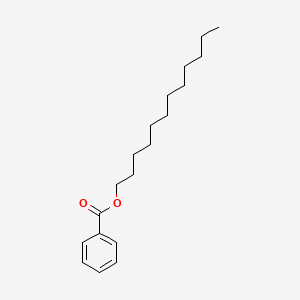
C12-15 ALKYL BENZOATE
emollient
View
HYDROGENATED POLYISOBUTENE
emollient
View
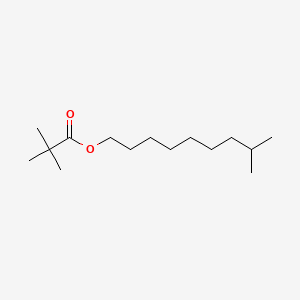
ISODECYL NEOPENTANOATE
emollient
View
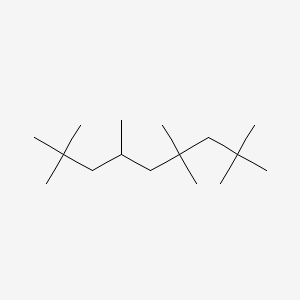
ISOHEXADECANE
ISOHEXADECANE
emollient
View
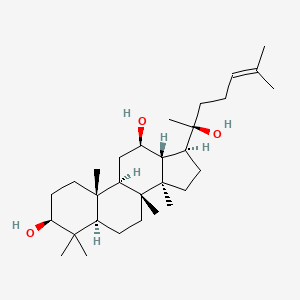
(20S)-PROTOPANAXADIOL
emollient
View
(ANGELICA ACUTILOBA/PAEONIA LACTIFLORA) ROOT/CNIDIUM OFFICINALE RHIZOME EXTRACT
emollient
View
1-METHYLHYDANTOIN-2-IMIDE
emollient
View
1-NAPHTHALENEACETIC ACID
emollient
View