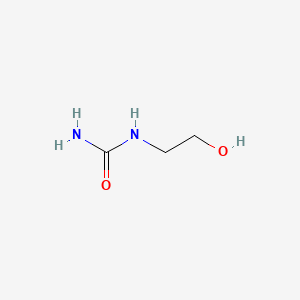
HYDROXYETHYL UREA
CAS 1320-51-0 · humectant · EC 215-304-0 · KR 하이드록시에틸우레아
Generally Low Concern2 citations
Urea, (2-Hydroxyethyl)-
HYDROXYETHYL UREA is a humectant ingredient used in skincare formulations.
hydrationgentle urea derivative with less irritation potential than plain urea
⚠️ Data is provided for informational purposes only. It may contain inaccuracies and should be independently verified. This is not medical advice. Consult a healthcare professional before making health decisions.
Quick facts
Description: HYDROXYETHYL UREA — hydration, gentle urea derivative with less irritation potential than plain urea.
All Functions: hydration, gentle urea derivative with less irritation potential than plain urea
Quick Facts:
- Category: humectant
Proven Benefits At A Glance:
- Hydroxyethyl urea is a humectant and conditioning agent approved as safe for cosmetics at current use levels
- It’s used in skincare products to help skin retain moisture and improve texture
- The ingredient was deemed safe when formulated to be non-irritating
- It appears in body care products designed to address rough, bumpy skin texture
Chemical Overview
The Panel concluded that Hydroxyethyl Urea is safe in cosmetics in the present practices of use and concentration described in this safety assessment when formulated to be non-irritating.
Source(s): Cosmetic Ingredient Review (CIR), via PubChem
Comedogenicity
No data yet
Not rated for this ingredient yet.
Similar Ingredients
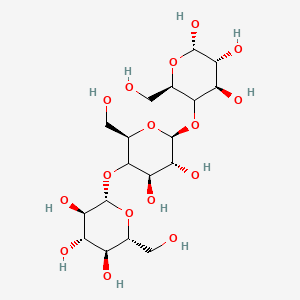
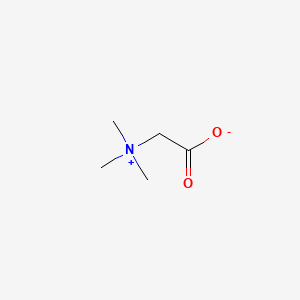
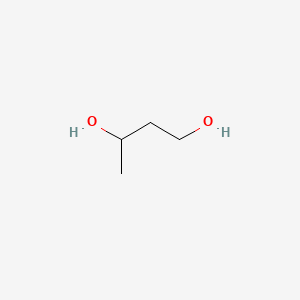

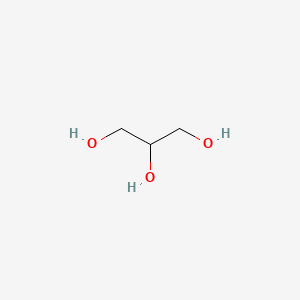
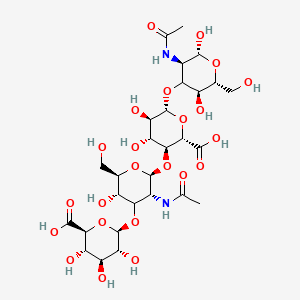
📰 More News
-
The CCL20-CCR6 axis predominantly drives IL-17-mediated psoriasis while modestly contributing to papain-induced type 2 inflammation
PubMed · Jul 11, 2026
-
SkinCeuticals Just Reformulated Its C E Ferulic Serum
Allure · Jul 20, 2026
-
Are Sunscreen Oils Just Tanning Oils in Disguise? Experts Weigh In
Allure · Jul 20, 2026
-
Update to RIFM fragrance ingredient safety assessment, propenylguaethol, CAS Registry Number 94-86-0
PubMed · Jul 20, 2026
-
Earth Harbor Obscura Night Repair Concentrate Review
Allure · Jul 21, 2026
-
Okay, We’ll Bite: Fruity Perfumes Are Cool
Allure · Jul 21, 2026