Mia Seilern
⚠️ Data is provided for informational purposes only. It may contain inaccuracies and should be independently verified. This is not medical advice. Consult a healthcare professional before making health decisions.

Description: LANOLIN — rich occlusive moisturizer, derived from sheep wool (can be allergenic for some).

All Functions: rich occlusive moisturizer, derived from sheep wool (can be allergenic for some)

Quick Facts:

  • Category: emollient
  • Comedogenic Rating: 2/5

Proven Benefits At A Glance:

  • Lanolin is a fatty substance from sheep’s wool used in skincare for centuries
  • It’s an emollient that moisturizes skin and supports the skin barrier
  • Highly purified versions have fewer potential irritants than crude lanolin
  • Allergic reactions are controversial and poorly understood in the scientific literature
  • Risk of reaction is higher on damaged or inflamed skin than on healthy skin
  • Certain groups (children, elderly, people with atopic dermatitis) may be at higher risk
Safety: Generally Low ConcernResearch confidence: Good

Safety tier is a starting heuristic from regulatory status and comedogenic rating, not a dermatological verdict — see our Terms for the full disclaimer. Research confidence reflects how many real cited studies back this ingredient, not the strength of their findings.

Pregnancy safe

🧪 LANOLIN

Chemical structure of LANOLIN

LANOLIN

CAS Number: 8006-54-0

Also Known As:

Category: emollient

EC Number: 232-348-6

Korean Name: 라놀린

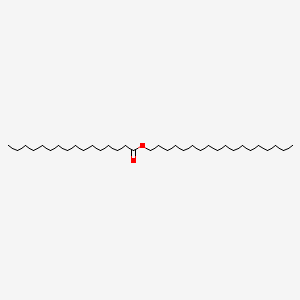
Lanolin is a refined derivative of the unctuous fat-like sebaceous secretion of sheep. It consists of a highly complex mixture of esters of high molecular weight aliphatic, steroid or triterpenoid alcohols and fatty acids

LANOLIN is an emollient ingredient used in skincare formulations.

rich occlusive moisturizerderived from sheep wool (can be allergenic for some)

🌍 Regulatory Status

EU: No restriction on fileUS: No restriction on file

📊 Comedogenicity

🟥🟥⬜⬜⬜

2/5

📚 Research & Evidence

PUBMED CITATIONS
5
Data sources: EU CosIng PubMed

🔬 The Science

Lanolin is a complex mixture of esters, alcohols, sterols, fatty acids, and hydrocarbons extracted from sheep’s fleece (Life (Basel), 2024). The ingredient has been used since ancient Greece for its moisturizing properties, with industrial production techniques developed in Germany in the 19th century (Life (Basel), 2024). #1: Skin barrier support and moisturization. When applied to intact, healthy skin, lanolin lubricates the skin, improves its lipid barrier, and helps maintain moisture (Life (Basel), 2024). It functions as an emollient—a substance that softens and smooths skin (Dermatitis, 2023). #2: Processing for safety. Highly purified lanolin products have pesticide and detergent residues removed and natural free alcohols reduced below 1.5% to improve safety and reduce allergic potential (2006 peer-reviewed journal source).

This purification process has been refined since 1882 (Dermatitis, 2023). #3: The “lanolin paradox.” A significant controversy surrounds lanolin’s allergenicity. While lanolin in therapeutic medications can trigger allergic contact dermatitis in some patients—particularly on damaged skin—the same individuals often tolerate lanolin-containing cosmetics without reaction (Dermatology, 1996; Life (Basel), 2024). Lanolin can both protect and damage skin in the same person depending on the skin’s condition (Life (Basel), 2024). This paradox remains scientifically unresolved, with experts disagreeing about whether lanolin is a true contact allergen or whether reported reactions stem from testing limitations (Contact Dermatitis, 1998; Life (Basel), 2024). #4: Who may be at higher risk.

Certain groups face elevated risk: children and the elderly, partly due to underlying conditions like atopic dermatitis or stasis dermatitis (Dermatitis, 2023). People with existing skin conditions like leg ulcers, genital dermatitis, stasis dermatitis, or atopic dermatitis are considered high-risk (Dermatitis, 2023). A positive patch test to lanolin does not necessarily mean a person will react to lanolin on normal, healthy skin (Dermatitis, 2023). Those with known wool allergies should avoid lanolin (2006 peer-reviewed journal source). #5: Limited evidence on specific uses. For nipple pain during breastfeeding, the research is mixed. Some studies found lanolin effective for treatment (not prevention before delivery), but other research found it comparable to or less effective than breastmilk, hydrogel dressings, peppermint gel, aloe vera, warm compresses, or olive oil (2006 peer-reviewed journal source).

The underlying mechanism of lanolin hypersensitivity remains unclear, hampered by inconsistent patch testing methods and a lack of standardized clinical studies (Life (Basel), 2024; Dermatology, 1996).

💧 Skin Type Compatibility

40%
Sensitive
40%
Oily
82%
Dry
40%
Combination
40%
Acne-prone
84%
Normal

Derived from this ingredient’s irritancy potential and comedogenicity rating against the needs of each skin type — e.g. oily and acne-prone skin are marked down for pore-clogging ingredients, sensitive skin for irritants. A starting heuristic, not a dermatological verdict.

⚠️ Don’t Combine With

No data yet
No known incompatibilities on file for this ingredient.

🧴 Products Containing LANOLIN

📄 Related Research

Matched by search — not necessarily verified support for every statement above.

Similar Ingredients

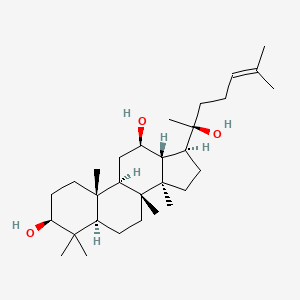
(20S)-PROTOPANAXADIOL
emollient
View
(ANGELICA ACUTILOBA/PAEONIA LACTIFLORA) ROOT/CNIDIUM OFFICINALE RHIZOME EXTRACT
emollient
View
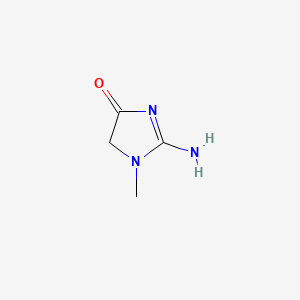
1-METHYLHYDANTOIN-2-IMIDE
emollient
View
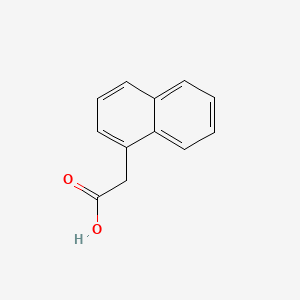
1-NAPHTHALENEACETIC ACID
emollient
View
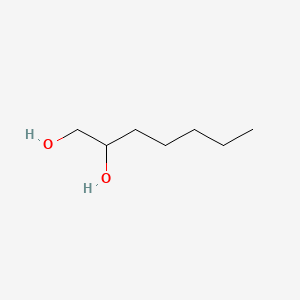
1,2-HEPTANEDIOL
1,2-HEPTANEDIOL
emollient
View
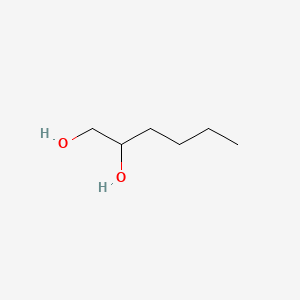
1,2-HEXANEDIOL
1,2-HEXANEDIOL
emollient
View
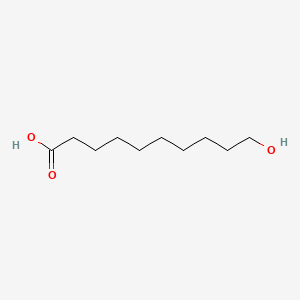
10-HYDROXYDECANOIC ACID
emollient
View
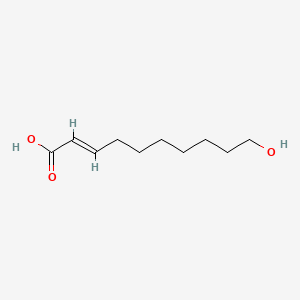
10-HYDROXYDECENOIC ACID
emollient
View