Mia Seilern
⚠️ Data is provided for informational purposes only. It may contain inaccuracies and should be independently verified. This is not medical advice. Consult a healthcare professional before making health decisions.

Description: LINOLEIC ACID — essential fatty acid, barrier repair, anti-inflammatory.

All Functions: essential fatty acid, barrier repair, anti-inflammatory

Quick Facts:

  • Category: emollient

Proven Benefits At A Glance:

  • Linoleic acid (LA) is an essential fatty acid that your skin uses to maintain its barrier and overall health
  • Your skin metabolizes linoleic acid into different compounds, including ones that help build ceramides (lipids that seal moisture in)
  • Low or disrupted linoleic acid metabolism is linked to acne, atopic dermatitis, psoriasis, and rosacea
  • Topical linoleic acid may support skin barrier repair, wound healing, and reduce inflammation, based on cell and animal studies
  • Human clinical evidence is limited; most research uses laboratory or animal models rather than people
Safety: Generally Low ConcernResearch confidence: GoodCommon fungal-acne trigger

Safety tier is a starting heuristic from regulatory status and comedogenic rating, not a dermatological verdict — see our Terms for the full disclaimer. Research confidence reflects how many real cited studies back this ingredient, not the strength of their findings.

Pregnancy safe

🧪 LINOLEIC ACID

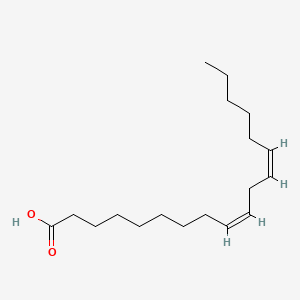
Chemical structure of LINOLEIC ACID

LINOLEIC ACID

CAS Number: 60-33-3 (CIS)

Also Known As:

Category: emollient

EC Number: 200-470-9 (CIS)

Korean Name: 리놀레익애씨드

9,12-Octadecadienoic acid (9Z, 12Z)-

LINOLEIC ACID is an emollient ingredient used in skincare formulations.

essential fatty acidbarrier repairanti-inflammatory

🌍 Regulatory Status

EU: No restriction on fileUS: No restriction on file

📊 Comedogenicity

No data yet
Not rated for this ingredient yet.

📚 Research & Evidence

PUBMED CITATIONS
5
Data sources: EU CosIng PubMed

🔬 The Science

Linoleic acid is one of the most abundant polyunsaturated fatty acids naturally present in human skin (Exp Dermatol, 2026). Once in your skin, it doesn’t stay unchanged—your body processes it through three main pathways: burning it for energy via beta-oxidation, building it into complex lipids like ceramides that strengthen your skin barrier, and converting it into bioactive signaling molecules that trigger various skin responses (Exp Dermatol, 2026). #1: Barrier repair and skin conditions. The upper layer of your skin (the epidermis) uses linoleic acid primarily through lipid-building and enzymatic conversion pathways to maintain keratinocyte function—essentially the health and behavior of your skin cells (Exp Dermatol, 2026).

Research has found that skin diseases including acne, atopic dermatitis, and psoriasis are associated with disrupted linoleic acid metabolism (Int J Mol Sci, 2024). In particular, studies in animals and cell models suggest that topically applied linoleic acid or linoleic acid-rich vegetable oils can repair the skin barrier and promote wound healing (Int J Mol Sci, 2024). #2: Anti-inflammatory and protective effects. Cell and animal studies indicate that linoleic acid exhibits anti-inflammatory effects and may offer photoprotection (sun damage protection) (Int J Mol Sci, 2024). One human-relevant study found that higher linoleic acid levels are associated with lower risk of rosacea, a chronic inflammatory skin condition, and that linoleic acid appeared to reduce inflammation by activating a cellular signaling pathway called PPAR-gamma, which reduced harmful reactive oxygen species in skin cells (Life Med, 2025).

#3: Wound healing support. Linoleic acid from plant sources like guava seed oil, which is naturally rich in this fatty acid, was shown in laboratory tests to increase the migration of keratinocytes (skin-forming cells), suggesting it may aid skin wound healing (Phytother Res, 2019). Important limitations: Most evidence comes from cell cultures and animal models rather than human clinical trials. The sources note that further clinical research is needed to fully understand linoleic acid’s mechanisms and confirm its real-world benefits in skincare (Int J Mol Sci, 2024; Exp Dermatol, 2026). The relationship between dietary linoleic acid intake and skin health is also not established in these sources—research focuses on topical application or tissue-level metabolism.

💧 Skin Type Compatibility

100%
Sensitive
100%
Oily
100%
Dry
100%
Combination
100%
Acne-prone
100%
Normal

Derived from this ingredient’s irritancy potential and comedogenicity rating against the needs of each skin type — e.g. oily and acne-prone skin are marked down for pore-clogging ingredients, sensitive skin for irritants. A starting heuristic, not a dermatological verdict.

⚠️ Don’t Combine With

No data yet
No known incompatibilities on file for this ingredient.

🧴 Products Containing LINOLEIC ACID

📄 Related Research

Matched by search — not necessarily verified support for every statement above.

Similar Ingredients

ALOE BARBADENSIS LEAF EXTRACT
active
View
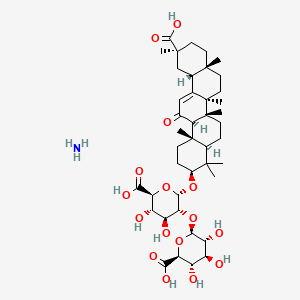
AMMONIUM GLYCYRRHIZATE
active
View
ARNICA MONTANA EXTRACT
active
View
AVENA SATIVA KERNEL EXTRACT
active
View
AVENA SATIVA KERNEL FLOUR
active
View
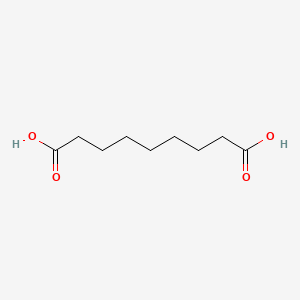
Azelaic Acid
Azelaic Acid
active
View
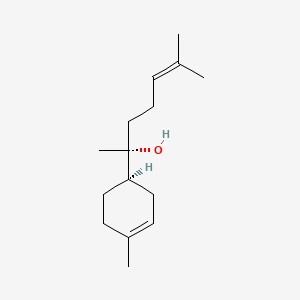
BISABOLOL
BISABOLOL
active
View
BORAGO OFFICINALIS SEED OIL
emollient
View