Mia Seilern
MADECASSOSIDE
⚠️ Data is provided for informational purposes only. It may contain inaccuracies and should be independently verified. This is not medical advice. Consult a healthcare professional before making health decisions.

Description: MADECASSOSIDE — soothing, barrier repair (derived from Centella Asiatica).

All Functions: soothing, barrier repair (derived from Centella Asiatica)

Quick Facts:

  • Category: active

Proven Benefits At A Glance:

  • Madecassoside is a bioactive compound extracted from Centella asiatica, a tropical plant used in traditional medicine
  • Research shows it may help with wound healing and protecting skin from UVB sun damage
  • Lab studies suggest it has antioxidant and anti-inflammatory properties
  • It may help protect against pollution-related skin irritation (PM2.5 particles)
  • Most research is in vitro (lab cells) or animal models; human clinical evidence is limited
Safety: Generally Low ConcernResearch confidence: Good

Safety tier is a starting heuristic from regulatory status and comedogenic rating, not a dermatological verdict — see our Terms for the full disclaimer. Research confidence reflects how many real cited studies back this ingredient, not the strength of their findings.

Pregnancy safe

🧪 MADECASSOSIDE

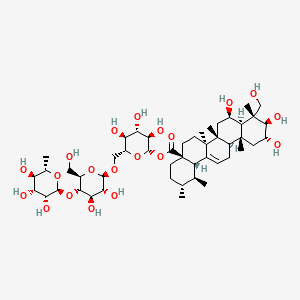
Chemical structure of MADECASSOSIDE

MADECASSOSIDE

CAS Number: 34540-22-2

Also Known As:

Category: active

EC Number: 252-076-1

Korean Name: 마데카소사이드

O-6-Deoxy-α-L-mannopyranosyl-(1→4)-O-β-D-glucopyranosyl-(1→6)-β-D-glucopyranosyl (2α,3β,4α,6β)-2,3,6,23-tetrahydroxyurs-12-en-28-oate

MADECASSOSIDE is an active ingredient used in skincare formulations.

soothingbarrier repair (derived from Centella Asiatica)

🌍 Regulatory Status

EU: No restriction on fileUS: No restriction on file

📊 Comedogenicity

No data yet
Not rated for this ingredient yet.

📚 Research & Evidence

PUBMED CITATIONS
5
Data sources: EU CosIng PubMed

🔬 The Science

Madecassoside is one of the main bioactive compounds in Centella asiatica, a plant traditionally used in Ayurvedic and Chinese medicine (J Cell Mol Med, 2023). It belongs to a class of molecules called pentacyclic triterpenoid glycosides—basically, it’s a plant-derived compound with a complex ring structure. Lab and animal studies suggest several potential benefits:

#1: Wound healing and sun protection—In studies using human skin cells in a dish, madecassoside enhanced wound healing and protected cells from damage caused by UVB radiation, the type of sunlight that causes sunburn (Tissue Barriers, 2026). A mouse study also found that when madecassoside was applied topically, it enhanced collagen deposition (a protein important for skin structure) and reduced skin thickening after UVB exposure (Phytomedicine, 2026).

#2: Antioxidant effects—UVB exposure triggers a type of cellular damage called ferroptosis, which involves the buildup of harmful molecules called reactive oxygen species (ROS) and lipid peroxidation. In cell cultures and a mouse model, madecassoside treatment significantly reduced these markers of oxidative damage and restored what researchers call “redox balance” (Phytomedicine, 2026). The mechanism appears to involve blocking a protein called POR (NADPH-cytochrome P450 reductase), though this was demonstrated in lab settings. #3: Anti-inflammatory activity—When skin cells were exposed to PM2.5 air pollution particles (a real-world stressor), madecassoside reduced the release of inflammatory signaling molecules like IL-1β and reduced markers of cell death.

It also appeared to repair damage to the cell membrane and skin barrier proteins (Biochem Biophys Res Commun, 2025). #4: Potential synergistic effects—When madecassoside was combined with rosmarinic acid (another plant compound) in a 3:7 ratio and tested on skin cells exposed to UVB, the combination showed stronger protective effects than either ingredient alone, including better preservation of antioxidant defenses and collagen (J Med Food, 2023). Important limitations: The research reviewed here is almost entirely from cell cultures and animal models (primarily mice). The sources themselves note that madecassoside has been used in cosmetics “with doubtful effects” (Tissue Barriers, 2026), pointing to a gap between traditional use and rigorous clinical proof.

Human clinical trial evidence is not included in these abstracts, so effectiveness in real skin on real people remains largely unconfirmed.

💧 Skin Type Compatibility

100%
Sensitive
100%
Oily
100%
Dry
100%
Combination
100%
Acne-prone
100%
Normal

Derived from this ingredient’s irritancy potential and comedogenicity rating against the needs of each skin type — e.g. oily and acne-prone skin are marked down for pore-clogging ingredients, sensitive skin for irritants. A starting heuristic, not a dermatological verdict.

⚠️ Don’t Combine With

No data yet
No known incompatibilities on file for this ingredient.

🧴 Products Containing MADECASSOSIDE

📄 Related Research

Matched by search — not necessarily verified support for every statement above.

Similar Ingredients

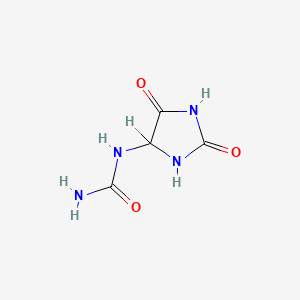
ALLANTOIN
ALLANTOIN
active
View
ALOE BARBADENSIS LEAF EXTRACT
active
View
ALTHAEA OFFICINALIS EXTRACT
skin conditioning
View
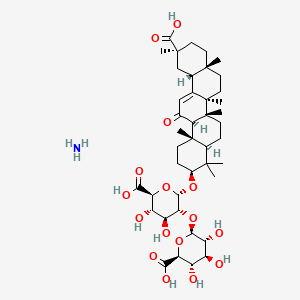
AMMONIUM GLYCYRRHIZATE
active
View
ARNICA MONTANA EXTRACT
active
View
AVENA SATIVA KERNEL EXTRACT
active
View
AVENA SATIVA KERNEL FLOUR
active
View
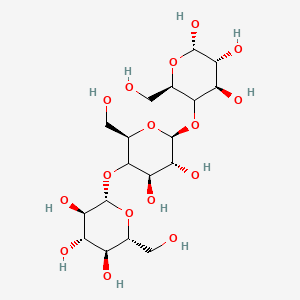
BETA-GLUCAN
BETA-GLUCAN
active
View