Mia Seilern
⚠️ Data is provided for informational purposes only. It may contain inaccuracies and should be independently verified. This is not medical advice. Consult a healthcare professional before making health decisions.

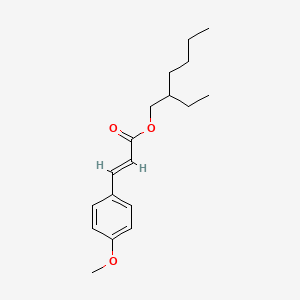
Description: Octinoxate — chemical UV filter.

All Functions: chemical UV filter

Quick Facts:

  • Category: sunscreen
  • Also Known As: Octyl Methoxycinnamate
  • Comedogenic Rating: 0/5

Proven Benefits At A Glance:

  • Octinoxate is an organic UV filter used in sunscreens and personal care products to absorb solar radiation
  • It can enter freshwater environments through wastewater after being washed down the drain
  • Research found a substantial safety margin between predicted environmental exposure and predicted no-effect levels in US freshwater
  • Octinoxate breaks down during ozone water treatment, losing its UV-protective properties
  • It has been restricted in Hawaii due to harmful effects on coral reefs
  • Studies show octinoxate acts as an endocrine disruptor in humans and marine animals
  • Octinoxate is significantly toxic to Symbiodinium, the algae that corals depend on for survival
Safety: Generally Low ConcernResearch confidence: Good

Safety tier is a starting heuristic from regulatory status and comedogenic rating, not a dermatological verdict — see our Terms for the full disclaimer. Research confidence reflects how many real cited studies back this ingredient, not the strength of their findings.

Not pregnancy safe

🤰 Pregnancy Safety Note

Chemical sunscreen with endocrine-disrupting potential. Thyroid effects in animal studies. Avoid during pregnancy.

🧪 Octinoxate

Octinoxate

CAS Number:

Also Known As: Octyl Methoxycinnamate

Category: sunscreen

Octinoxate is a sunscreen ingredient used in skincare formulations.

chemical UV filter

🌍 Regulatory Status

EU: No restriction on fileUS: No restriction on file

📊 Comedogenicity

⬜⬜⬜⬜⬜

0/5

📚 Research & Evidence

PUBMED CITATIONS
5
Data sources: EU CosIng PubMed

🔬 The Science

Octinoxate is one of the most commonly used organic UV filters in personal care products. Unlike inorganic filters (like zinc oxide or titanium dioxide) that reflect UV radiation, octinoxate works by absorbing and converting solar radiation into heat (Plast Surg Nurs, 2019). #1: When you use products containing octinoxate—whether sunscreen, cleansers, or even through laundering clothes—the ingredient can wash down the drain and potentially enter freshwater ecosystems via wastewater treatment plant discharge (Environ Toxicol Chem, 2022). However, a comprehensive environmental risk assessment using the iSTREEM model found a substantial margin of safety between realistic worst-case environmental exposure levels and predicted no-effect concentrations in US freshwater systems, suggesting negligible risk under current conditions (Environ Toxicol Chem, 2022).

#2: During standard water treatment using ozone disinfection, octinoxate undergoes significant chemical transformation—a 2-log or greater reduction in concentration—meaning it loses its ability to absorb UV light during these processes (J Hazard Mater, 2017). Despite these findings in freshwater, octinoxate has raised separate concerns in marine environments. #3: The ingredient acts as an endocrine disruptor—meaning it can interfere with hormone systems—in both humans and marine animals, which has led to its restriction in Hawaii specifically due to harmful effects on coral reefs (Eur J Pharm Sci, 2023; Plast Surg Nurs, 2019). Research investigating octinoxate’s effects on Symbiodinium, the photosynthetic algae that corals depend on for survival, found it causes pronounced toxicity even at lower concentrations, affecting cell viability, metabolic activity, and triggering oxidative stress (lipid peroxidation) within these crucial organisms (Ecotoxicol Environ Saf, 2025).

Because of these concerns, researchers have been working to develop alternative UV filters with similar sun-protective properties but lower toxicity profiles (Eur J Pharm Sci, 2023).

💧 Skin Type Compatibility

40%
Sensitive
90%
Oily
85%
Dry
88%
Combination
90%
Acne-prone
88%
Normal

Derived from this ingredient’s irritancy potential and comedogenicity rating against the needs of each skin type — e.g. oily and acne-prone skin are marked down for pore-clogging ingredients, sensitive skin for irritants. A starting heuristic, not a dermatological verdict.

⚠️ Don’t Combine With

No data yet
No known incompatibilities on file for this ingredient.

🧴 Products Containing Octinoxate

📄 Related Research

Matched by search — not necessarily verified support for every statement above.

Similar Ingredients

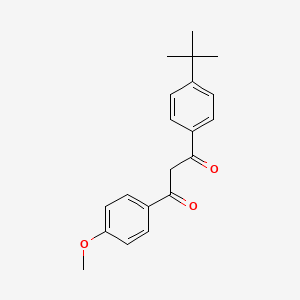
Avobenzone
Avobenzone
sunscreen
View
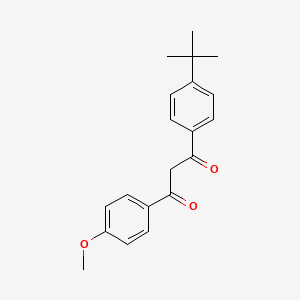
BUTYL METHOXYDIBENZOYLMETHANE
sunscreen
View
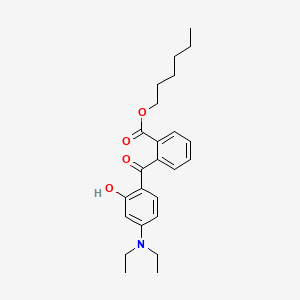
DIETHYLAMINO HYDROXYBENZOYL HEXYL BENZOATE
sunscreen
View
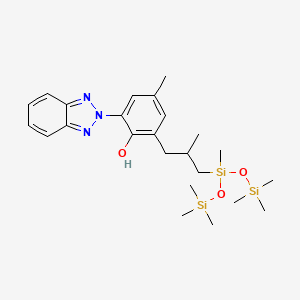
DROMETRIZOLE TRISILOXANE
sunscreen
View
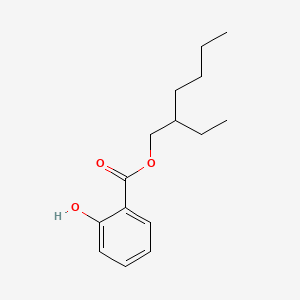
ETHYLHEXYL SALICYLATE
sunscreen
View
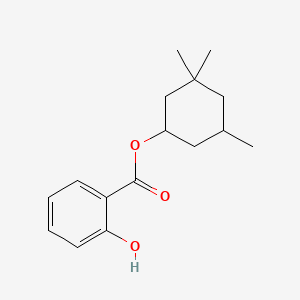
HOMOSALATE
HOMOSALATE
sunscreen
View
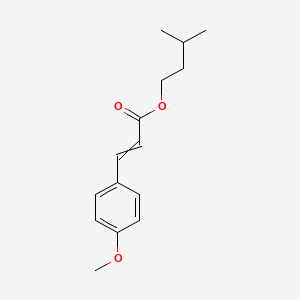
ISOAMYL P-METHOXYCINNAMATE
sunscreen
View
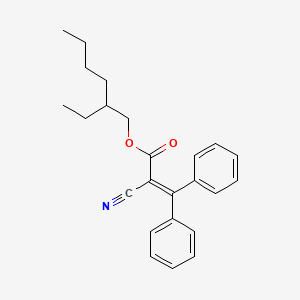
OCTOCRYLENE
OCTOCRYLENE
sunscreen
View