Mia Seilern
OCTOCRYLENE
⚠️ Data is provided for informational purposes only. It may contain inaccuracies and should be independently verified. This is not medical advice. Consult a healthcare professional before making health decisions.

Description: OCTOCRYLENE — chemical UV filter (UVB), helps stabilize other filters.

All Functions: chemical UV filter (UVB), helps stabilize other filters

Quick Facts:

  • Category: sunscreen

Proven Benefits At A Glance:

  • Octocrylene is an organic UV filter that absorbs UVB and short UVA radiation
  • Your skin absorbs very little of it when applied—less than 0.33% of the dose enters your body
  • It has a long history of safe use in sunscreens at concentrations up to 10%
  • It works well alongside other UV filters, particularly stabilizing the filter avobenzone
  • Rare contact allergy exists, but photoallergy (reactions triggered by sun exposure) is more common, especially in people previously sensitized to the drug ketoprofen
  • No evidence of hormone-disrupting effects at approved concentrations
Safety: Generally Low ConcernResearch confidence: Good

Safety tier is a starting heuristic from regulatory status and comedogenic rating, not a dermatological verdict — see our Terms for the full disclaimer. Research confidence reflects how many real cited studies back this ingredient, not the strength of their findings.

🤰 Pregnancy Safety Note

Degrades to benzophenone (potential carcinogen). Limited pregnancy data.

🧪 OCTOCRYLENE

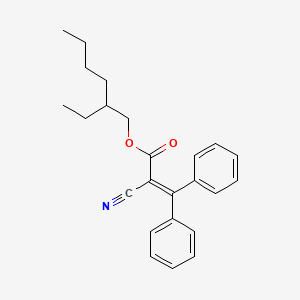
Chemical structure of OCTOCRYLENE

OCTOCRYLENE

CAS Number: 6197-30-4

Also Known As:

Category: sunscreen

EC Number: 228-250-8

Korean Name: 옥토크릴렌

2-Cyano-3,3-Diphenyl Acrylic Acid 2-Ethylhexyl Ester

OCTOCRYLENE is a sunscreen ingredient used in skincare formulations.

chemical UV filter (UVB)helps stabilize other filters

🌍 Regulatory Status

EU: No restriction on fileUS: No restriction on file

📊 Comedogenicity

No data yet
Not rated for this ingredient yet.

📚 Research & Evidence

PUBMED CITATIONS
5
Data sources: EU CosIng PubMed

🔬 The Science

Octocrylene (2-ethylhexyl-2-cyano-3,3-diphenylacrylate) is an organic UV filter used in sunscreens and cosmetics to prevent skin damage from ultraviolet radiation (Crit Rev Toxicol, 2025; J Eur Acad Dermatol Venereol, 2019). Here’s what the research shows:

#1: Absorption and exposure. When you apply a sunscreen containing octocrylene, your skin absorbs remarkably little of it—in vitro studies using actual human skin samples found percutaneous absorption of only 0.33% of the applied dose (Crit Rev Toxicol, 2025). It has limited presence in blood and urine from human biomonitoring studies, and six tentative metabolites have been identified, though their individual safety profiles haven’t been fully characterized.

#2: Safety at approved concentrations. Octocrylene shows no acute toxicity and did not cause eye irritation, skin irritation, or phototoxicity in standard testing (Crit Rev Toxicol, 2025). A 90-day rat dietary study established a no-observed-adverse-effect level (NOAEL—the highest dose showing no harm) of 175 mg/kg/day based on liver and thyroid effects only at much higher doses. A reproductive toxicity study in rats found a NOAEL of 153–163 mg/kg/day, with no evidence of effects on brain development, immune function, or hormone-related endpoints (Crit Rev Toxicol, 2025). Importantly, octocrylene did not trigger genotoxicity concerns (damage to genetic material) in laboratory or animal studies.

Regulatory safety margins are greater than 100-fold, meaning the approved concentration in sunscreens (up to 10%) is far below levels that would pose concern (Crit Rev Toxicol, 2025). #3: Endocrine system. Despite earlier concerns, octocrylene has no endocrine disruption potential—it does not interfere with hormone systems at approved concentrations (J Eur Acad Dermatol Venereol, 2019). #4: Allergic reactions are rare but possible. Contact allergy to octocrylene itself is uncommon and occurs mostly in children from sunscreen use (Contact Dermatitis, 2014; Arch Dermatol, 2010). However, photocontact allergy—an allergic reaction that requires both the chemical and sun exposure—is more frequent, particularly in adults (J Eur Acad Dermatol Venereol, 2019).

Notably, photoallergy to octocrylene is strongly associated with prior photoallergy to the pain reliever ketoprofen; people sensitized to ketoprofen often develop photoreactions to octocrylene as well, though the biological mechanism remains unclear (Contact Dermatitis, 2014; Arch Dermatol, 2010). #5: Photoprotection synergy. Octocrylene works well alongside other UV filters—it stabilizes avobenzone, a popular UVA filter that can degrade under sunlight, allowing for broader and more durable sun protection (J Eur Acad Dermatol Venereol, 2019; Chemosphere, 2024). Limitations: The sources do not include formal 2-year carcinogenicity studies in humans, though available subchronic data and a mouse photocarcinogenicity study (which showed octocrylene actually reduced UV-induced tumors) make human cancer risk unlikely (Crit Rev Toxicol, 2025).

Environmental effects on marine ecosystems are mentioned but not detailed in these abstracts (Chemosphere, 2024).

💧 Skin Type Compatibility

40%
Sensitive
96%
Oily
94%
Dry
95%
Combination
96%
Acne-prone
95%
Normal

Derived from this ingredient’s irritancy potential and comedogenicity rating against the needs of each skin type — e.g. oily and acne-prone skin are marked down for pore-clogging ingredients, sensitive skin for irritants. A starting heuristic, not a dermatological verdict.

⚠️ Don’t Combine With

No data yet
No known incompatibilities on file for this ingredient.

🧴 Products Containing OCTOCRYLENE

📄 Related Research

Matched by search — not necessarily verified support for every statement above.

Similar Ingredients

ETHYLHEXYL SALICYLATE
sunscreen
View
HOMOSALATE
HOMOSALATE
sunscreen
View
ISOAMYL P-METHOXYCINNAMATE
sunscreen
View
PABA
PABA
sunscreen
View
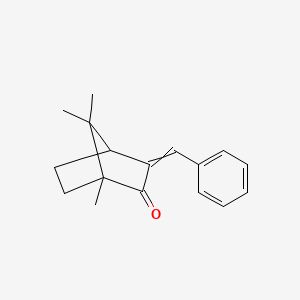
3-BENZYLIDENE CAMPHOR
sunscreen
View
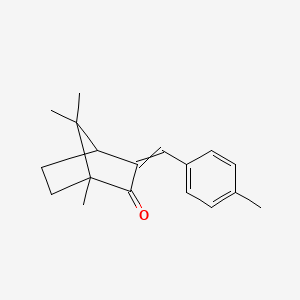
4-METHYLBENZYLIDENE CAMPHOR
sunscreen
View
7-DEHYDROCHOLESTERYL PALMITATE
sunscreen
View
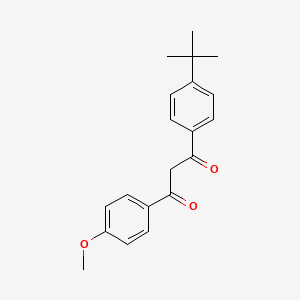
Avobenzone
Avobenzone
sunscreen
View