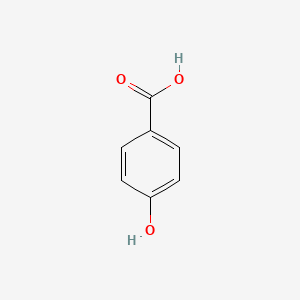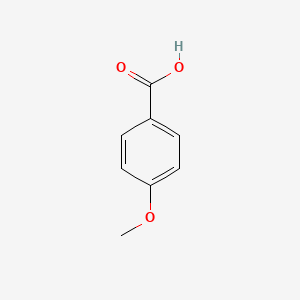
Description: P-ANISIC ACID — preservative booster, fragrance ingredient.
All Functions: preservative booster, fragrance ingredient
Quick Facts:
- Category: preservative
Proven Benefits At A Glance:
- P-anisic acid is a naturally occurring compound found in Australian acacia flowers
- It shows antimicrobial properties in laboratory studies
- When delivered through specially designed polymer systems, it can promote skin cell growth at moderate doses
- Research indicates good tolerance in human skin cell models with minimal irritation
Safety tier is a starting heuristic from regulatory status and comedogenic rating, not a dermatological verdict — see our Terms for the full disclaimer. Research confidence reflects how many real cited studies back this ingredient, not the strength of their findings.
🧪 P-ANISIC ACID
P-ANISIC ACID
CAS Number: 100-09-4
Also Known As: —
Category: preservative
EC Number: 202-818-5
Korean Name: p-아니식애씨드
Benzoic acid, 4-methoxy-
P-ANISIC ACID is a preservative ingredient used in skincare formulations.
🌍 Regulatory Status
📊 Comedogenicity
📚 Research & Evidence
🔬 The Science
P-anisic acid is a phenolic compound with potential skincare applications that has attracted research interest in recent years. Here’s what the current research actually shows:
#1: Antimicrobial activity — A 2022 study in *Molecules* extracted p-anisic acid from acacia flowers and demonstrated that fractions containing this compound displayed antimicrobial properties, with the p-anisic acid-rich fraction showing better antimicrobial results than the crude plant extract. However, this was demonstrated in laboratory extraction and testing—not yet in real-world skincare applications. #2: Skin cell compatibility — A 2020 study in *Materials (Basel)* tested p-anisic acid when incorporated into specially designed polymer delivery systems on human skin cells (keratinocytes).
The polymers were well tolerated with no notable cell damage, and at moderate concentrations, actually promoted keratinocyte growth. At the highest test concentration (100 µg/mL), cell growth decreased somewhat, suggesting a dose-dependent response. #3: Controlled delivery potential — The 2020 *Materials (Basel)* research focused on developing polymer carriers that could slowly release p-anisic acid over time without sudden dumping (called “burst effect”). The polymer systems achieved steady, regular release of the compound, which the researchers suggest could be useful for cosmetic formulations. Important context: Both studies are early-stage research. The skin cell work used laboratory models, not human skin testing, and the antimicrobial findings are from extracted plant material, not finished skincare products.
No human clinical trials are described in these abstracts.
💧 Skin Type Compatibility
⚠️ Don’t Combine With
🧴 Products Containing P-ANISIC ACID
- Beierdorf, Nivea Naturally good crema giorno idratante
- BRYNILD GRUPPEN AS Nivea Day Care Naturally Good 50ml
- nivea natural balance tagespflege
- Nivea Natturally good anti-age
- Kneipp Intensivbalsam 10 urea
- Kneipp Sensitiv Handcreme Mandelöl
- Alverde Sensitiv After Shave Balsam
- alverde Mamaglück Körperbutter Wilde Malve
- Alverde Rough Nature Bartserum
- alverde Volumen-Kick Shampoo Bio-Kiwi Bio-Apfelminze
- babylove Reinigendes Waschgel
- Alverde Repair Shampoo
- alverde Naturkosmetik Skin Food Körperbutter
- Balea, Balea Med, dm Ultra Sensitive Waschlotion
- Alverde Cremegel Hydro
- Johnson’s Baby Crema liquida avena
- Léa Nature So’bio étic Précieux Argan- Sérum éclat anti-age
- Provence Santé crème légère anti âge
- Unifarmaco SpA Ceramol crema palpebrale
- Biafine lait apres soleil nourrissant
📄 Related Research
Matched by search — not necessarily verified support for every statement above.
- Martinka Maksymiak M et al. (2020). Bioactive (Co)oligoesters as Potential Delivery Systems of p-Anisic Acid for Cosmetic Purposes. Materials (Basel).
- da Silva GF et al. (2022). The Response Surface Optimization of Supercritical CO(2) Modified with Ethanol Extraction of p-Anisic Acid from Acacia mearnsii Flowers and Mathematical Modeling of the Mass Transfer. Molecules.
Similar Ingredients


📰 More News
-
The CCL20-CCR6 axis predominantly drives IL-17-mediated psoriasis while modestly contributing to papain-induced type 2 inflammation
PubMed · 23 days ago
-
SkinCeuticals Just Reformulated Its C E Ferulic Serum
Allure · 14 days ago
-
Are Sunscreen Oils Just Tanning Oils in Disguise? Experts Weigh In
Allure · 14 days ago
-
Update to RIFM fragrance ingredient safety assessment, propenylguaethol, CAS Registry Number 94-86-0
PubMed · 14 days ago
-
Earth Harbor Obscura Night Repair Concentrate Review
Allure · 13 days ago
-
Okay, We’ll Bite: Fruity Perfumes Are Cool
Allure · 13 days ago