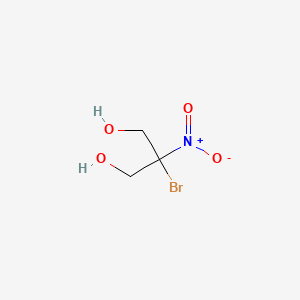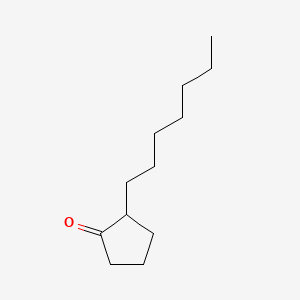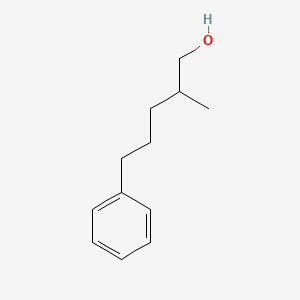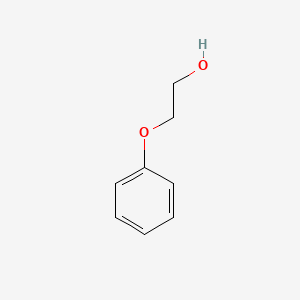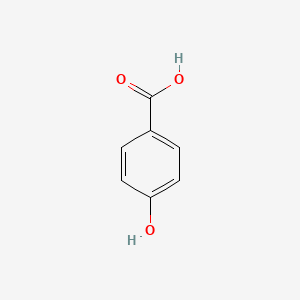
Description: 4-HYDROXYBENZOIC ACID — FRAGRANCE, PRESERVATIVE.
All Functions: FRAGRANCE, PRESERVATIVE
Quick Facts:
- Category: preservative
Proven Benefits At A Glance:
- 4-hydroxybenzoic acid (4-HBA) is a building block your body uses to make coenzyme Q, a molecule vital for mitochondrial function
- In laboratory studies with patient cells, 4-HBA supplementation activated the body’s own coenzyme Q production more effectively than taking coenzyme Q directly
- 4-HBA is widely used in cosmetics, food, and pharmaceuticals and has been studied for antimicrobial properties
- Research on 4-HBA for skin health is limited; most evidence comes from cell studies or applies to related compounds like parabens
Safety tier is a starting heuristic from regulatory status and comedogenic rating, not a dermatological verdict — see our Terms for the full disclaimer. Research confidence reflects how many real cited studies back this ingredient, not the strength of their findings.
🧪 4-HYDROXYBENZOIC ACID
4-HYDROXYBENZOIC ACID
CAS Number: 99-96-7
Also Known As: —
Category: preservative
EC Number: 202-804-9
Korean Name: 4-하이드록시벤조익애씨드
4-hydroxybenzoic acid
4-HYDROXYBENZOIC ACID is a preservative ingredient used in skincare formulations.
🌍 Regulatory Status
EU max concentration: 0,4% (as acid) for single ester 0,8% (as acid) for mixtures of esters
📊 Comedogenicity
📚 Research & Evidence
🔬 The Science
4-hydroxybenzoic acid is an aromatic organic compound with an important role in your cells’ energy production. Here’s what the research actually shows:
#1: How it relates to cellular energy. Your cells contain mitochondria—tiny structures that produce energy using coenzyme Q (CoQ). Your body normally makes coenzyme Q from a starting material called 4-hydroxybenzoic acid. In a 2024 study published in Cell Reports, researchers found that when animals had defects preventing normal coenzyme Q production, giving them 4-HBA supplementation triggered their cells to make more coenzyme Q naturally. Remarkably, this approach outperformed direct coenzyme Q10 supplementation in restoring normal mitochondrial function and addressing serious health issues like heart problems and developmental delays.
The same researchers confirmed this worked in human skin cells from patients with genetic variants affecting coenzyme Q production, suggesting the approach could translate to real-world use. #2: Antimicrobial properties. A 2015 study in the Journal of Clinical Pharmacy and Therapeutics examined antimicrobial activity of 4-HBA and related compounds. The research found that 4-HBA and its derivatives showed antimicrobial effects against bacteria (Staphylococcus aureus, Escherichia coli) and fungi (Saccharomyces cerevisiae, Fusarium culmorum). A 2020 study in the Journal of Agricultural and Food Chemistry notes that hydroxybenzoic acids including 4-HBA are known to have “antibacterial, anticancer, antidiabetic, antiaging, antiviral, and anti-inflammatory activities,” though this source lists these as known properties without providing detailed evidence for skincare specifically.
#3: Industrial applications. A 2018 review in Applied Microbiology and Biotechnology describes 4-HBA as “a promising intermediate” for cosmetic, pharmaceutical, and food applications, confirming its established use in these industries. Important limitation: The most compelling evidence (Cell Reports, 2024) focuses on genetic deficiency diseases and used cell cultures from patients—not on 4-HBA as a cosmetic ingredient for general skin health. Claims about antiaging or anti-inflammatory effects in cosmetic products are mentioned in one source but lack detailed supporting data specific to topical skincare use.
💧 Skin Type Compatibility
⚠️ Don’t Combine With
🧴 Products Containing 4-HYDROXYBENZOIC ACID
📄 Related Research
Matched by search — not necessarily verified support for every statement above.
- Corral-Sarasa J et al. (2024). 4-Hydroxybenzoic acid rescues multisystemic disease and perinatal lethality in a mouse model of mitochondrial disease. Cell Rep.
- Wang S et al. (2018). 4-Hydroxybenzoic acid-a versatile platform intermediate for value-added compounds. Appl Microbiol Biotechnol.
- Kim H et al. (2020). Synthesis of 4-Hydroxybenzoic Acid Derivatives in Escherichia coli. J Agric Food Chem.
- Tsagogiannis E et al. (2024). Elucidation of 4-Hydroxybenzoic Acid Catabolic Pathways in Pseudarthrobacter phenanthrenivorans Sphe3. Int J Mol Sci.
- Kosová M et al. (2015). Antimicrobial effect of 4-hydroxybenzoic acid ester with glycerol. J Clin Pharm Ther.
Similar Ingredients
📰 More News
-
Bakuchiol: From structural mimicry to systems-level skin biology
PubMed · Jun 2, 2026
-
Rosacea Skincare Including Moisturizers, Serums & Prescribed Creams
The Derm Review · Jun 4, 2026
-
The impact of avobenzone and oxybenzone on fibroblast and keratinocyte membranes. Searching for the role of lipids in the effect of UV filters on skin cells
PubMed · Jun 5, 2026
-
The Best Firming Tightening Anti Aging Body Lotions. For loss of firmness, crepey skin and wrinkles.
The Derm Review · Jun 12, 2026
-
14 of the Best Eczema Creams to Soothe Compromised Skin
The Derm Review · Jun 13, 2026
-
How To Get Rid of Age Spots, Dark Spots & Liver Spots on Hands, Arms, Legs, Body, Face
The Derm Review · Jun 13, 2026