Mia Seilern
PALMITOYL TRIPEPTIDE-5
⚠️ Data is provided for informational purposes only. It may contain inaccuracies and should be independently verified. This is not medical advice. Consult a healthcare professional before making health decisions.

Description: PALMITOYL TRIPEPTIDE-5 — peptide, supports collagen production, anti-aging.

All Functions: peptide, supports collagen production, anti-aging

Quick Facts:

  • Category: active

Proven Benefits At A Glance:

  • Palmitoyl tripeptide-5 is a peptide used in cosmetics, particularly for sensitive skin products
  • It’s designed to interact with skin cells and penetrate the outer skin layer
  • Research shows it may support skin hydration, elasticity, firmness, and wrinkle appearance when properly formulated
  • Most evidence comes from patents and supplier data rather than large clinical trials
  • How well it penetrates skin depends heavily on the delivery system used
Safety: Generally Low ConcernResearch confidence: Good

Safety tier is a starting heuristic from regulatory status and comedogenic rating, not a dermatological verdict — see our Terms for the full disclaimer. Research confidence reflects how many real cited studies back this ingredient, not the strength of their findings.

Pregnancy safe

🧪 PALMITOYL TRIPEPTIDE-5

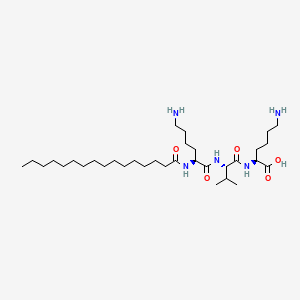
Chemical structure of PALMITOYL TRIPEPTIDE-5

PALMITOYL TRIPEPTIDE-5

CAS Number: 623172-55-4/623172-56-5

Also Known As:

Category: active

EC Number:

Korean Name: 팔미토일트라이펩타이드-5

Palmitoyl Tripeptide-5 is the reaction product of palmitic acid and Tripeptide-5

PALMITOYL TRIPEPTIDE-5 is an active ingredient used in skincare formulations.

peptidesupports collagen productionanti-aging

🌍 Regulatory Status

EU: No restriction on fileUS: No restriction on file

📊 Comedogenicity

No data yet
Not rated for this ingredient yet.

📚 Research & Evidence

PUBMED CITATIONS
4
Data sources: EU CosIng PubMed

🔬 The Science

Palmitoyl tripeptide-5 belongs to a class of skincare ingredients called peptides—short chains of amino acids that can communicate with skin cells. According to Pharmaceuticals (Basel), peptides like this one are valued in cosmetics because they work through multiple mechanisms, are potent at low doses, and can penetrate the stratum corneum (the skin’s outermost layer). However, the same source notes an important caveat: while peptides appear in 17% of sensitive skin products, only five peptides have evidence supporting their use for sensitive skin, and most available data exists in patents and supplier brochures rather than rigorous randomized placebo-controlled clinical studies. #1: Penetration matters more than the ingredient alone.

A 2025 study in Colloids Surf B Biointerfaces tested palmitoyl tripeptide-5 when encapsulated in nanoparticles with lactoferrin and recombinant collagen, achieving 69.90% improved transdermal efficiency. In that formulation, users saw measurable changes within weeks: stratum corneum moisture increased 10.51%, facial elasticity improved 8.15%, and skin firmness increased 12.53% over 28 days. Wrinkle improvements were also observed—eye bag wrinkles reduced by 24.69% and nasolabial wrinkles by 37.61% within 14 days. Importantly, a separate 2023 study in Molecules found that palmitoyl tripeptide-5 showed almost no transdermal permeation when tested in a different hydrogel formulation, highlighting that delivery system is critical. #2: In multi-ingredient formulations, synergy may play a role.

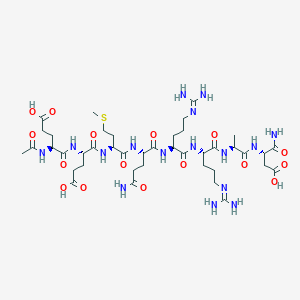
A 2020 clinical trial published in J Cosmet Dermatol tested microneedle patches containing palmitoyl tripeptide-5 alongside arginine/lysine polypeptide, acetyl octapeptide-3, adenosine, and seaweed extracts. The 12-week study on aged skin reported fine lines/wrinkles decreased 25.8%, skin hydration improved 15.4%, and dermal density and thickness increased 14.2% and 12.9% respectively. The researchers noted that all ingredients may have acted synergistically, making it difficult to isolate palmitoyl tripeptide-5’s individual contribution.

💧 Skin Type Compatibility

100%
Sensitive
100%
Oily
100%
Dry
100%
Combination
100%
Acne-prone
100%
Normal

Derived from this ingredient’s irritancy potential and comedogenicity rating against the needs of each skin type — e.g. oily and acne-prone skin are marked down for pore-clogging ingredients, sensitive skin for irritants. A starting heuristic, not a dermatological verdict.

⚠️ Don’t Combine With

No data yet
No known incompatibilities on file for this ingredient.

🧴 Products Containing PALMITOYL TRIPEPTIDE-5

📄 Related Research

Matched by search — not necessarily verified support for every statement above.

Similar Ingredients

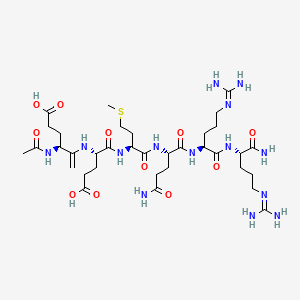
ACETYL HEXAPEPTIDE-8
active
View
ACETYL OCTAPEPTIDE-3
active
View
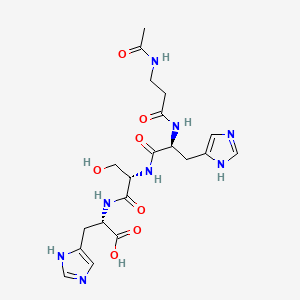
ACETYL TETRAPEPTIDE-5
active
View
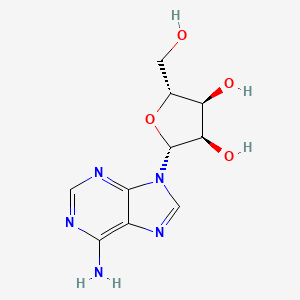
ADENOSINE
ADENOSINE
active
View
ASTAXANTHIN
ASTAXANTHIN
active
View
Bakuchiol
Bakuchiol
active
View
COPPER TRIPEPTIDE-1
COPPER TRIPEPTIDE-1
active
View
DIPALMITOYL HYDROXYPROLINE
active
View