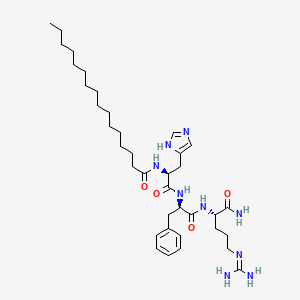
Description: PALMITOYL TRIPEPTIDE-8 — peptide, anti-aging, supports skin firmness.
All Functions: peptide, anti-aging, supports skin firmness
Quick Facts:
- Category: active
Proven Benefits At A Glance:
- A peptide ingredient designed to target molecular processes involved in sensitive skin
- Found in about 17% of facial cosmetics for sensitive skin across major brands
- Works through a neurotransmitter-inhibiting mechanism of action
- Most evidence for this ingredient comes from patents and supplier materials rather than published clinical studies
- Used in formulations alongside other ingredients like hyaluronic acid and plant extracts
Safety tier is a starting heuristic from regulatory status and comedogenic rating, not a dermatological verdict — see our Terms for the full disclaimer. Research confidence reflects how many real cited studies back this ingredient, not the strength of their findings.
🧪 PALMITOYL TRIPEPTIDE-8
PALMITOYL TRIPEPTIDE-8
CAS Number: –
Also Known As: —
Category: active
EC Number: –
Korean Name: 팔미토일트라이펩타이드-8
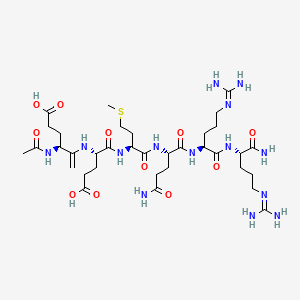
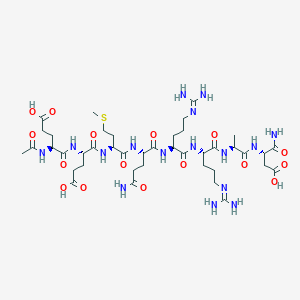
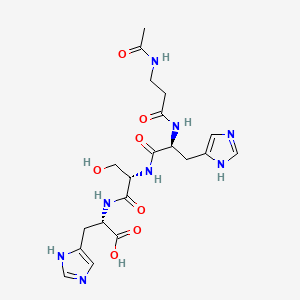
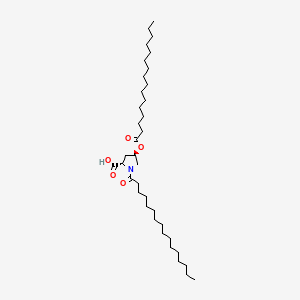
Palmitoyl Tripeptide-8 is the product obtained by the reaction of palmitic acid and Tripeptide-8
PALMITOYL TRIPEPTIDE-8 is an active ingredient used in skincare formulations.
🌍 Regulatory Status
📊 Comedogenicity
📚 Research & Evidence
🔬 The Science
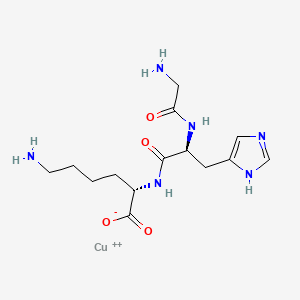
Palmitoyl tripeptide-8 is a peptide—a small chain of amino acids—created specifically to address sensitive skin concerns. According to research in the International Journal of Cosmetic Science (2022), it was deliberately designed to act on the molecular targets involved in sensitive skin conditions, distinguishing it from many other ingredients that are used for sensitive skin but weren’t originally created with that purpose in mind. #1: Mechanism of action: The ingredient works through a neurotransmitter-inhibiting mechanism (Pharmaceuticals, 2021), meaning it interferes with chemical signaling in the skin. This is one of three different approaches used by peptides in sensitive skin products—other peptides use signal peptide mechanisms instead.
#2: Prevalence in products: When researchers analyzed 88 facial cosmetics marketed for sensitive skin from major multinational brands, palmitoyl tripeptide-8 appeared in the formulations, and peptides overall were present in 17% of all products studied (Pharmaceuticals, 2021). This makes it one of several peptide options available, though niacinamide remains the most commonly used active ingredient across sensitive skin products. #3: Research limitations: The available scientific evidence supporting this ingredient is limited. Of seven peptides found in sensitive skin products, only five have any published evidence of efficacy, and only one peptide ingredient in the entire category has been tested in a clinical study with actual volunteers who have sensitive skin (Pharmaceuticals, 2021).
For palmitoyl tripeptide-8 specifically, the available data is mostly found in patents and supplier information rather than in randomized, placebo-controlled published studies (Pharmaceuticals, 2021). #4: Delivery and targeting potential: Research from Colloids and Surfaces B: Biointerfaces (2025) demonstrates that this peptide can be used as a targeting agent in advanced delivery systems. In that study, it was conjugated to liposomes to help direct another ingredient (glabridin) to specific skin cells (melanocytes), suggesting the peptide has the ability to interact with specific cellular receptors. This indicates potential for sophisticated skincare formulations, though this particular application was focused on skin-lightening rather than sensitive skin management.
#5: Use in multi-ingredient formulations: Palmitoyl tripeptide-8 appears as one component in dermofunctional bases—sophisticated skincare vehicles designed to do more than just deliver active ingredients. In one formulation studied (Current Issues in Molecular Biology, 2025), it was combined with plant extracts, bisabolol, hyaluronic acid, and oils. When tested in laboratory models mimicking skin inflammation, this complete formulation showed anti-inflammatory and matrix-protective effects, though it’s unclear how much of the benefit came specifically from the peptide versus the other components.
💧 Skin Type Compatibility
⚠️ Don’t Combine With
🧴 Products Containing PALMITOYL TRIPEPTIDE-8
📄 Related Research
Matched by search — not necessarily verified support for every statement above.
- Ferreira MS et al. (2022). Sensitive skin: Active ingredients on the spotlight. Int J Cosmet Sci.
- Resende DISP et al. (2021). Usage of Synthetic Peptides in Cosmetics for Sensitive Skin. Pharmaceuticals (Basel).
- Cheng L et al. (2025). Glabridin-encapsulated liposomes targeting melanocytes through the melanocortin 1 receptor. Colloids Surf B Biointerfaces.
- Polonini H et al. (2025). Dermofunctional Vehicle Downregulates LL-37 and MMPs and Upregulates IGFBP-3. Curr Issues Mol Biol.
- Marianni B et al. (2024). Compatibility of Active Pharmaceutical Ingredients in Cleoderm™: A Comprehensive Study for Enhanced Topical Dermatological Treatments. Int J Pharm Compd.
Similar Ingredients
📰 More News
-
The CCL20-CCR6 axis predominantly drives IL-17-mediated psoriasis while modestly contributing to papain-induced type 2 inflammation
PubMed · 23 days ago
-
SkinCeuticals Just Reformulated Its C E Ferulic Serum
Allure · 14 days ago
-
Are Sunscreen Oils Just Tanning Oils in Disguise? Experts Weigh In
Allure · 14 days ago
-
Update to RIFM fragrance ingredient safety assessment, propenylguaethol, CAS Registry Number 94-86-0
PubMed · 14 days ago
-
Earth Harbor Obscura Night Repair Concentrate Review
Allure · 13 days ago
-
Okay, We’ll Bite: Fruity Perfumes Are Cool
Allure · 13 days ago