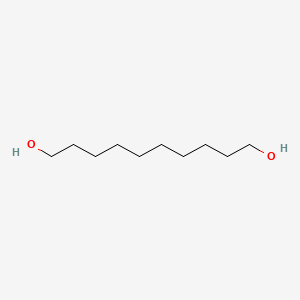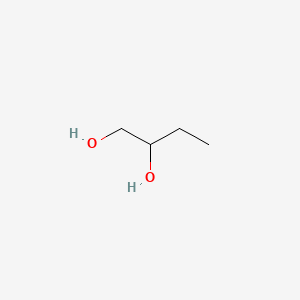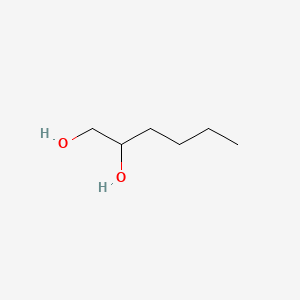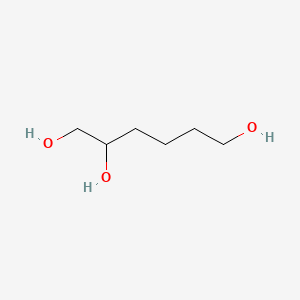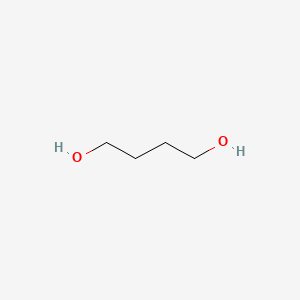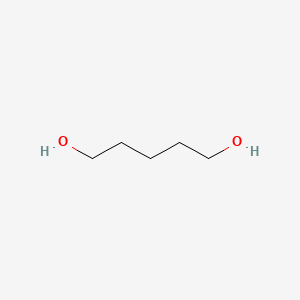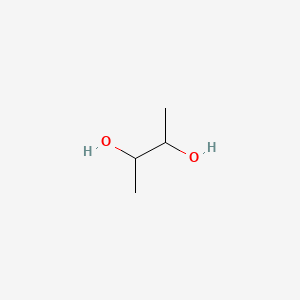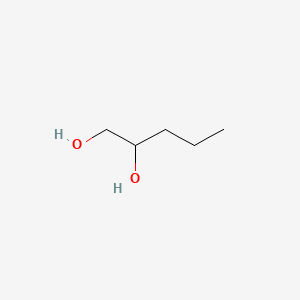
Description: PENTYLENE GLYCOL — hydration, solvent, mild preservative-boosting properties.
All Functions: hydration, solvent, mild preservative-boosting properties
Quick Facts:
- Category: humectant
Proven Benefits At A Glance:
- Pentylene glycol is a humectant used in skincare products like sunscreens
- Most of it doesn’t actually absorb into your skin—it evaporates instead
- Safety studies show a large margin of safety at normal usage levels
- Rare cases of allergic contact dermatitis have been documented
- It’s chemically similar to propylene glycol but not identical
Safety tier is a starting heuristic from regulatory status and comedogenic rating, not a dermatological verdict — see our Terms for the full disclaimer. Research confidence reflects how many real cited studies back this ingredient, not the strength of their findings.
🧪 PENTYLENE GLYCOL
PENTYLENE GLYCOL
CAS Number: 5343-92-0
Also Known As: —
Category: humectant
EC Number: 226-285-3
Korean Name: 펜틸렌글라이콜
1,2-Dihydroxypentane
PENTYLENE GLYCOL is a humectant ingredient used in skincare formulations.
🌍 Regulatory Status
📊 Comedogenicity
📚 Research & Evidence
🔬 The Science
Pentylene glycol (PG) is a small molecule in the glycol family—think of glycols as humectants, ingredients that help attract and hold moisture. Here’s what research actually tells us about how it behaves on your skin. #1: Most pentylene glycol doesn’t absorb deeply. When researchers tested pentylene glycol in a commercial sunscreen on pig skin (a standard model for human skin permeability), they found something surprising: the ingredient was highly volatile, meaning it evaporates. After 1 hour, 98% of the applied pentylene glycol was still on or near the skin surface, but after 24 hours, only 29% remained—the rest had evaporated rather than penetrated (Regul Toxicol Pharmacol, 2017).
The maximum amount that could theoretically be absorbed was about 123 micrograms per square centimeter after a full 24 hours, even under worst-case scenarios with 5 times the normal recommended dose. #2: It has a strong safety profile at normal use levels. When toxicologists calculated the margin of safety (essentially how much buffer exists between the amount used and amounts that cause harm), they found values between 140–671 in adults using standard sunscreen doses, and 87–217 if you apply the math to children’s smaller body size (Regul Toxicol Pharmacol, 2017). The conclusion was that pentylene glycol in sunscreen “does not show any safety concerns for daily usage at the recommended dosage.”
#3: Allergic contact dermatitis is rare but documented.
One case report described a 62-year-old man with seborrheic dermatitis whose condition worsened after using a cream containing pentylene glycol; patch testing confirmed he had developed an allergic reaction to the ingredient (Australas J Dermatol, 2010). When he stopped using products with pentylene glycol and propylene glycol (a related but different glycol), his dermatitis resolved completely. This shows that while pentylene glycol is generally well-tolerated, allergic sensitization is possible in susceptible individuals—similar to how some people react to propylene glycol but not all glycols equally. The available evidence is limited to these specific studies, so broader claims about anti-aging, anti-inflammatory, or other benefits are not supported by the sources provided.
💧 Skin Type Compatibility
Derived from this ingredient’s irritancy potential and comedogenicity rating against the needs of each skin type — e.g. oily and acne-prone skin are marked down for pore-clogging ingredients, sensitive skin for irritants. A starting heuristic, not a dermatological verdict.
⚠️ Don’t Combine With
🧴 Products Containing PENTYLENE GLYCOL
- CD Roll-On Sensitive Protect 48h 0% ALU/ALC
- Cien Bronceador bifásico 30
- caremare RHODOPHYTA ALOE VERA SHIELD DAY CREAM
- caremare Rodophyta Aloe Vera Balancing Face Wash
- BCL Kansosan Skincare Moisture Base AQ
- Fancl Core effector
- L’Oréal, L’Oreal Luxe, The Body Shop Spa wisdom Maroc Brume dernière touche fleur d’oranger
- Roots of strength body shop
- KORRES Travel Size Greek Yoghurt Foaming Cream Cleanser
- Oillan baby Cream for cradle cap
- Laab MEN Multi-Booster Ultralekki krem nawilżająco-kojący
- Luksja Kremowe mydło w płynie
- Elmiplant Skin Moisture
- Environ Moisturiser
- fresh skin face
- Farmatodo Mascarilla hidratante nocturna
- Mustela Mustela Prévention Vergetures
- Mustela Flacon Lait solaire très haute protection 300ml SPF50+
- Mustela Spray lait solaire très haute protection SPF 50+ waterproof
- Coop latte solare fresca idratazione protezione bassa 6
📄 Related Research
Matched by search — not necessarily verified support for every statement above.
- Hausen BM (2007). Contact allergy to pentylene glycol. Dermatitis.
- Corazza M et al. (2022). Pentylene glycol: An emerging cosmetic allergen?. Contact Dermatitis.
- Steiner A et al. (2017). Margin of safety of pentylene glycol derived using measurements of cutaneous absorption and volatility. Regul Toxicol Pharmacol.
- Mortz CG et al. (2009). Allergic contact dermatitis to ethylhexylglycerin and pentylene glycol. Contact Dermatitis.
- Foti C et al. (2010). Allergic contact dermatitis to propyl gallate and pentylene glycol in an emollient cream. Australas J Dermatol.
Similar Ingredients
📰 More News
-
The CCL20-CCR6 axis predominantly drives IL-17-mediated psoriasis while modestly contributing to papain-induced type 2 inflammation
PubMed · 23 days ago
-
SkinCeuticals Just Reformulated Its C E Ferulic Serum
Allure · 14 days ago
-
Are Sunscreen Oils Just Tanning Oils in Disguise? Experts Weigh In
Allure · 14 days ago
-
Update to RIFM fragrance ingredient safety assessment, propenylguaethol, CAS Registry Number 94-86-0
PubMed · 14 days ago
-
Earth Harbor Obscura Night Repair Concentrate Review
Allure · 13 days ago
-
Okay, We’ll Bite: Fruity Perfumes Are Cool
Allure · 13 days ago