Mia Seilern
⚠️ Data is provided for informational purposes only. It may contain inaccuracies and should be independently verified. This is not medical advice. Consult a healthcare professional before making health decisions.

Description: POLYGLUTAMIC ACID — hydration, film-forming (holds moisture comparably to hyaluronic acid).

All Functions: hydration, film-forming (holds moisture comparably to hyaluronic acid)

Quick Facts:

  • Category: humectant

Proven Benefits At A Glance:

  • Polyglutamic acid is a water-soluble, biocompatible polymer made from natural sources
  • It’s environmentally friendly and has been used in medicine, food, and cosmetics research
  • The ingredient shows promise in stabilizing and slowly releasing other active compounds
  • Research suggests it can improve the texture and stability of gel-based formulations
  • It appears to have antioxidant properties in laboratory studies
Safety: Generally Low ConcernResearch confidence: Good

Safety tier is a starting heuristic from regulatory status and comedogenic rating, not a dermatological verdict — see our Terms for the full disclaimer. Research confidence reflects how many real cited studies back this ingredient, not the strength of their findings.

🧪 POLYGLUTAMIC ACID

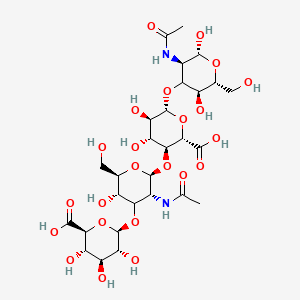
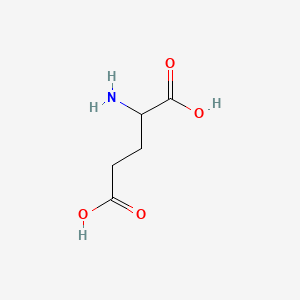
Chemical structure of POLYGLUTAMIC ACID

POLYGLUTAMIC ACID

CAS Number: 25513-46-6

Also Known As:

Category: humectant

Korean Name: 폴리글루타믹애씨드

Polymer of glutamic acid

POLYGLUTAMIC ACID is a humectant ingredient used in skincare formulations.

hydrationfilm-forming (holds moisture comparably to hyaluronic acid)

🌍 Regulatory Status

EU: No restriction on fileUS: No restriction on file

📊 Comedogenicity

No data yet
Not rated for this ingredient yet.

📚 Research & Evidence

PUBMED CITATIONS
5
Data sources: EU CosIng PubMed

🔬 The Science

Polyglutamic acid (specifically γ-polyglutamic acid) is a naturally occurring polymer—essentially a chain of amino acids linked together—that dissolves easily in water and works well with living tissues without causing harm (Curr Drug Deliv, 2024). Here’s what the research shows about how it might work in skincare:

#1: Ingredient stabilization and delivery. Polyglutamic acid can be formed into tiny nanoparticles that encapsulate and slowly release other active ingredients. This slow-release effect reduces irritation from those actives while potentially making them more effective. The particles are simple to produce without toxic byproducts (Curr Drug Deliv, 2024). In wound-healing studies, when polyglutamic acid nanoparticles were combined with other compounds, they showed 17 times better retention at the site of injury compared to the active ingredient alone (Int J Pharm, 2023).

#2: Texture and formulation benefits. When added to gel formulations, polyglutamic acid increases viscosity (thickness), improves water-holding capacity, and creates a more stable, uniform structure. At low concentrations (around 0.1%), it enhanced stability and even distribution of particles within the gel (Front Nutr, 2024). This means products containing it may feel more luxurious and stay stable longer on the shelf. #3: Antioxidant activity. Laboratory testing found that polyglutamic acid derived from fermented sources showed antioxidant properties (Front Microbiol, 2025), though the sources don’t specify how significant this is in skincare applications or at what concentrations it becomes meaningful. Important limitations: Most research on polyglutamic acid involves it as a carrier for other drugs or actives rather than as a standalone skincare ingredient.

The wound-healing studies used it in nanoparticle form combined with other compounds like curcumin or doxycycline (Int J Pharm, 2023; Int J Biol Macromol, 2024), so we don’t know from these sources alone how effective it is by itself. None of the abstracts specifically test polyglutamic acid on healthy skin.

💧 Skin Type Compatibility

No data yet
Per-skin-type data isn’t curated for this ingredient yet.

⚠️ Don’t Combine With

No data yet
No known incompatibilities on file for this ingredient.

🧴 Products Containing POLYGLUTAMIC ACID

📄 Related Research

Matched by search — not necessarily verified support for every statement above.

Similar Ingredients

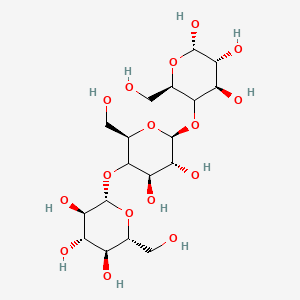
BETA-GLUCAN
BETA-GLUCAN
active
View
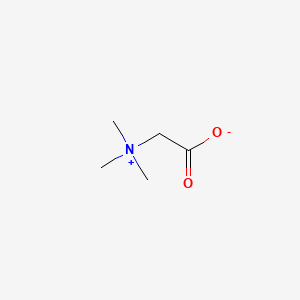
BETAINE
BETAINE
humectant
View
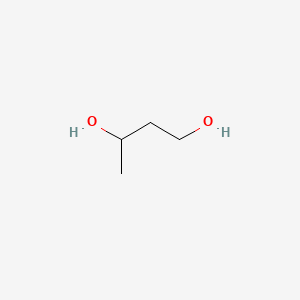
BUTYLENE GLYCOL
BUTYLENE GLYCOL
humectant
View
COCOS NUCIFERA FRUIT EXTRACT
humectant
View
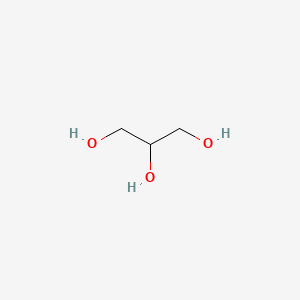
Glycerin
Glycerin
humectant
View
HONEY
HONEY
humectant
View
Hyaluronic Acid
Hyaluronic Acid
active
View
HYDROLYZED COLLAGEN
HYDROLYZED COLLAGEN
humectant
View