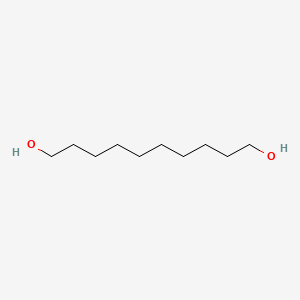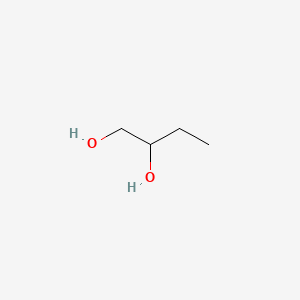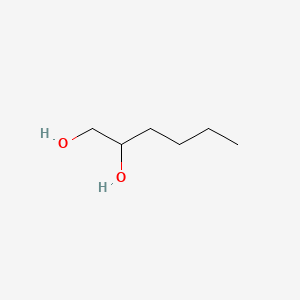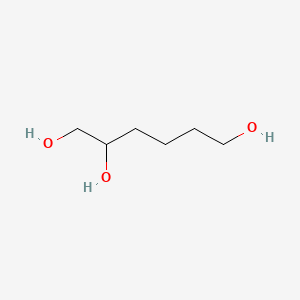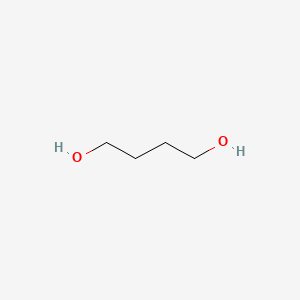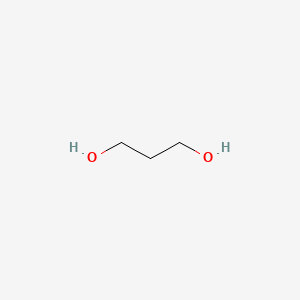
Description: PROPANEDIOL — hydration, solvent, enhances penetration of other ingredients.
All Functions: hydration, solvent, enhances penetration of other ingredients
Quick Facts:
- Category: humectant
Proven Benefits At A Glance:
- Propanediol is a humectant—a substance that draws moisture into the skin
- Research shows it increases skin hydration and improves skin barrier function within 15 minutes of application
- It works at various concentrations (5%, 10%, or 15%), with higher concentrations showing stronger effects
- When combined with glycerol, propanediol’s hydrating benefits are enhanced
- It can be produced from renewable resources through fermentation, making it a more sustainable alternative to chemically synthesized versions
Safety tier is a starting heuristic from regulatory status and comedogenic rating, not a dermatological verdict — see our Terms for the full disclaimer. Research confidence reflects how many real cited studies back this ingredient, not the strength of their findings.
🧪 PROPANEDIOL
PROPANEDIOL
CAS Number: 504-63-2 / 26264-14-2
Also Known As: —
Category: humectant
EC Number: 207-997-3
Korean Name: 프로판다이올
1,3-dihydroxypropane
PROPANEDIOL is a humectant ingredient used in skincare formulations.
🌍 Regulatory Status
📊 Comedogenicity
📚 Research & Evidence
🔬 The Science
Propanediol (also called 1,3-propanediol or 1,3-PDO) is a small organic molecule with two hydroxyl groups (—OH), which makes it “bifunctional” and useful in cosmetics as a humectant (Int J Cosmet Sci, 2024; Biotechnol Adv, 2009). #1: It increases skin hydration: In a controlled study of 30 healthy women, propanediol at concentrations of 5%, 10%, or 15%—whether used alone or combined with other humectants like butylene glycol and glycerol—significantly increased skin hydration as measured by capacitance, and this effect persisted for up to 8 hours after application (Int J Cosmet Sci, 2024). #2: It strengthens skin barrier function: The same study measured trans-epidermal water loss (TEWL), which reflects how much water evaporates from the skin surface; all concentrations of propanediol reduced TEWL, meaning the skin’s barrier became more effective at retaining moisture, with 15% concentration showing the most pronounced benefit (Int J Cosmet Sci, 2024).
#3: Higher concentrations and combinations work better: At 15% concentration, propanediol reduced water loss more effectively than at 5% or 10%, and when combined with glycerol, it performed even better than propanediol alone (Int J Cosmet Sci, 2024). On sourcing, propanediol is traditionally made through chemical synthesis but can also be produced via fermentation using microorganisms—a more environmentally friendly approach, though current fermentation yields remain lower than chemical methods (Front Bioeng Biotechnol, 2024; Biotechnol Adv, 2009). Regarding safety, propanediol derivatives used in cosmetics have undergone toxicological review; related compounds like 2-methyl 1,3-propanediol showed low toxicity via oral and dermal routes, minimal skin irritation in human volunteers, and no evidence of skin sensitization or mutagenicity (Regul Toxicol Pharmacol, 2017).
💧 Skin Type Compatibility
⚠️ Don’t Combine With
🧴 Products Containing PROPANEDIOL
- Nivea Loción Tónico Facial Matificante
- Nivea Men NIVEA Men Active Energy Hydraterende Dagcrème
- Nivea Nivea q10 plus anti rides
- Nivea Tônico Facial Nivea Controle do Brilho
- Nivea Q10 Plus Soin de jour FPS 15
- Nivea Perles de Q10 sérum concentré
- BRYNILD GRUPPEN AS Nivea Night Care Cellular 50ml
- BRYNILD GRUPPEN AS Nivea Sensitive Day Care 50ml
- BRYNILD GRUPPEN AS Nivea Day Care Q10 Plus C 50ml
- Nivea Nivea lait démaquillant
- NIVEA kids sensitive protect
- Beiersdorf Nivea Ansiktsmaske Urban Skin Radience 1stk
- Balea, Balea Med, dm Ultra Sensitive Reinigungsmilch (2 in 1, für Gesicht und Augen)
- GEHWOL med Express Pflege-Schaum
- Daytox Daytox Cleansing Foam
- Cien Cell Intense Cien
- Lacura Fußbalsam – Oliven- & Rosmarinöl
- BRYNILD GRUPPEN AS Nivea Roll-On Magnesium 50ml
- Tandpasta
- caremare RHODOPHYTA ALOE VERA SHIELD DAY CREAM
📄 Related Research
Matched by search — not necessarily verified support for every statement above.
- Li B et al. (2024). Progress in 1,3-propanediol biosynthesis. Front Bioeng Biotechnol.
- Pinto JR et al. (2024). Effects of 1,3-propanediol associated, or not, with butylene glycol and/or glycerol on skin hydration and skin barrier function. Int J Cosmet Sci.
- Saxena RK et al. (2009). Microbial production of 1,3-propanediol: Recent developments and emerging opportunities. Biotechnol Adv.
- Fowles J et al. (2017). Studies on the environmental fate, ecotoxicology and toxicology of 2-methyl 1,3-propanediol. Regul Toxicol Pharmacol.
- Becker LC et al. (2018). Safety Assessment of Tromethamine, Aminomethyl Propanediol, and Aminoethyl Propanediol as Used in Cosmetics. Int J Toxicol.
Similar Ingredients
📰 More News
-
The CCL20-CCR6 axis predominantly drives IL-17-mediated psoriasis while modestly contributing to papain-induced type 2 inflammation
PubMed · 23 days ago
-
SkinCeuticals Just Reformulated Its C E Ferulic Serum
Allure · 14 days ago
-
Are Sunscreen Oils Just Tanning Oils in Disguise? Experts Weigh In
Allure · 14 days ago
-
Update to RIFM fragrance ingredient safety assessment, propenylguaethol, CAS Registry Number 94-86-0
PubMed · 14 days ago
-
Earth Harbor Obscura Night Repair Concentrate Review
Allure · 13 days ago
-
Okay, We’ll Bite: Fruity Perfumes Are Cool
Allure · 13 days ago