Mia Seilern
⚠️ Data is provided for informational purposes only. It may contain inaccuracies and should be independently verified. This is not medical advice. Consult a healthcare professional before making health decisions.

Description: PROPOLIS EXTRACT — antimicrobial, soothing, antioxidant (bee-derived).

All Functions: antimicrobial, soothing, antioxidant (bee-derived)

Quick Facts:

  • Category: active

Proven Benefits At A Glance:

  • Propolis is a resinous compound made by honeybees with antioxidant, antibacterial, and antifungal properties
  • Research shows propolis extract may help fight acne-causing bacteria without disrupting your skin’s natural microbiome
  • A study found topical propolis achieved complete cure in 56.25% of nail fungus patients
  • Propolis contains polyphenolic compounds that can provide UVB and UVA sun protection
  • Lab tests confirm propolis extracts are non-toxic to skin cells even with prolonged exposure
Safety: Generally Low ConcernResearch confidence: Good

Safety tier is a starting heuristic from regulatory status and comedogenic rating, not a dermatological verdict — see our Terms for the full disclaimer. Research confidence reflects how many real cited studies back this ingredient, not the strength of their findings.

🧪 PROPOLIS EXTRACT

Chemical structure of PROPOLIS EXTRACT

PROPOLIS EXTRACT

CAS Number: 85665-41-4

Also Known As:

Category: active

EC Number: 288-130-6

Korean Name: 프로폴리스추출물

Extract of propolis wax

PROPOLIS EXTRACT is an active ingredient used in skincare formulations.

antimicrobialsoothingantioxidant (bee-derived)

🌍 Regulatory Status

EU: No restriction on fileUS: No restriction on file

📊 Comedogenicity

No data yet
Not rated for this ingredient yet.

📚 Research & Evidence

PUBMED CITATIONS
5
Data sources: EU CosIng PubMed

🔬 The Science

Propolis is a sticky, resinous substance that honeybees produce and use to seal their hives. When extracted and formulated for skincare, it shows several potential benefits supported by recent research. #1: Acne management. A 2025 study in *Antioxidants (Basel)* investigated how a standardized Greek propolis extract affects *Cutibacterium acnes*, the bacterium that overgrows in acne. The research found that propolis extract can reduce genes related to how these bacteria attach, colonize skin, and form biofilms (protective bacterial clusters). Importantly, the extract demonstrated antioxidant activity and the ability to regulate antimicrobial and anti-inflammatory gene expression in skin cells. The researchers emphasized this offers an alternative to antibiotics, which can create resistance and disrupt your skin’s beneficial microbiota.

#2: Antifungal activity. A 2018 *Frontiers in Microbiology* study tested an ethanol propolis extract against nail fungus (*Trichophyton* species). In lab testing, the extract was non-toxic to human cells and effective against both individual fungal cells and biofilms. Critically, the extract could penetrate human nails. When applied topically to patients with nail fungus over 6 months, complete mycological and clinical cure occurred in 56.25% of cases—a notable result given that conventional antifungals often fail against these resistant species. #3: Antioxidant power. Multiple sources confirm propolis has strong antioxidant activity, measured using standard assays like DPPH and ABTS. A 2006 *Journal of Pharmaceutical and Biomedical Analysis* study assessed how well propolis extract releases from topical formulations.

A 2023 *International Journal of Molecular Sciences* study found red propolis extracts contained flavonoids and terpenoids, with antioxidant potency suggesting it could help protect skin from free radical damage caused by aging and sun exposure. These antioxidants may be especially relevant given that skin constantly faces environmental stressors. #4: Photoprotection. The 2023 *International Journal of Molecular Sciences* study noted that propolis and its polyphenolic compounds showed effectiveness as broad-spectrum UVB and UVA photoprotection, though the research focused on characterizing this activity rather than providing detailed SPF equivalents or clinical application data. #5: Antibacterial effects beyond acne. The 2023 *International Journal of Molecular Sciences* study demonstrated that propolis extracts showed antibacterial activity against *Staphylococcus aureus* and *Staphylococcus epidermidis* (gram-positive bacteria), with non-cytotoxic profiles in keratinocytes and immune cells even after prolonged exposure.

Important context: While these findings are promising, most evidence comes from lab studies or small clinical trials. The nail fungus study involved the most substantial patient data (56.25% cure rate), but larger and longer human studies would strengthen confidence in skincare applications. The sources are consistent about safety but vary in how thoroughly they’ve been tested in real-world use.

💧 Skin Type Compatibility

No data yet
Per-skin-type data isn’t curated for this ingredient yet.

⚠️ Don’t Combine With

No data yet
No known incompatibilities on file for this ingredient.

🧴 Products Containing PROPOLIS EXTRACT

📄 Related Research

Matched by search — not necessarily verified support for every statement above.

Similar Ingredients

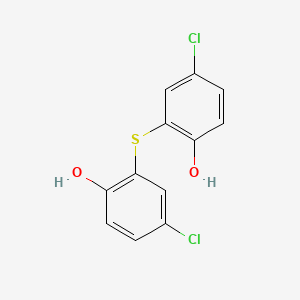
2,2′-THIOBIS(4-CHLOROPHENOL)
preservative
View
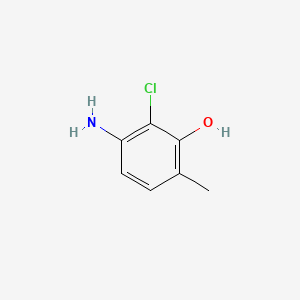
5-AMINO-6-CHLORO-O-CRESOL
preservative

View
ABIES ALBA SEED EXTRACT
active
View
ABIES ALBA SEED OIL
ABIES ALBA SEED OIL
active
View
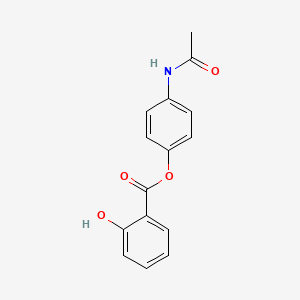
ACETAMINOSALOL
ACETAMINOSALOL
preservative
View
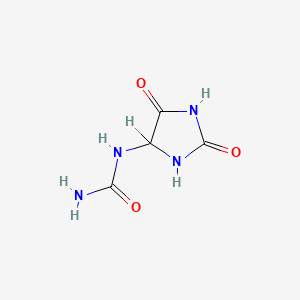
ALLANTOIN
ALLANTOIN
active
View
ALOE BARBADENSIS LEAF EXTRACT
active
View
ALTHAEA OFFICINALIS EXTRACT
skin conditioning
View