Mia Seilern
SODIUM ASCORBYL PHOSPHATE
⚠️ Data is provided for informational purposes only. It may contain inaccuracies and should be independently verified. This is not medical advice. Consult a healthcare professional before making health decisions.

Description: SODIUM ASCORBYL PHOSPHATE — stable water-soluble vitamin C derivative, brightening.

All Functions: stable water-soluble vitamin C derivative, brightening

Quick Facts:

  • Category: active

Proven Benefits At A Glance:

  • Sodium ascorbyl phosphate is a stabilized form of vitamin C designed for skincare products
  • It works as an antioxidant by converting to free ascorbic acid in your skin
  • Research shows it can help reduce wrinkle depth and improve skin elasticity
  • It may help control excess sebum (oil) production on skin
  • Typical skincare products use concentrations between 0.01% and 3%
  • It’s more chemically stable than regular vitamin C in formulations
Safety: Generally Low ConcernResearch confidence: Good

Safety tier is a starting heuristic from regulatory status and comedogenic rating, not a dermatological verdict — see our Terms for the full disclaimer. Research confidence reflects how many real cited studies back this ingredient, not the strength of their findings.

🧪 SODIUM ASCORBYL PHOSPHATE

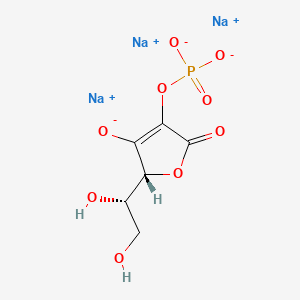
Chemical structure of SODIUM ASCORBYL PHOSPHATE

SODIUM ASCORBYL PHOSPHATE

CAS Number: 66170-10-3

Also Known As:

Category: active

EC Number: 425-180-1

Korean Name: 소듐아스코빌포스페이트

L-Ascorbic acid, 2-(dihydrogen phosphate), trisodium salt

SODIUM ASCORBYL PHOSPHATE is an active ingredient used in skincare formulations.

stable water-soluble vitamin C derivativebrightening

🌍 Regulatory Status

EU: No restriction on fileUS: No restriction on file

📊 Comedogenicity

No data yet
Not rated for this ingredient yet.

📚 Research & Evidence

PUBMED CITATIONS
5
Data sources: EU CosIng PubMed

🔬 The Science

Sodium ascorbyl phosphate (SAP) is what’s called a hydrophilic derivative of ascorbic acid—essentially a chemically modified version of vitamin C that dissolves in water rather than oil. This structural change makes it significantly more stable in cosmetic formulations compared to plain ascorbic acid (Int J Pharm, 2003). Here’s how it works: your skin contains natural enzymes that break down sodium ascorbyl phosphate into free ascorbic acid, which then performs its main job as an antioxidant—meaning it neutralizes damaging molecules called free radicals that contribute to aging and skin damage (Int J Pharm, 2003). #1: Anti-wrinkle and elasticity benefits have been demonstrated in human studies.

In a double-blind, placebo-controlled trial, a 5% sodium ascorbyl phosphate formulation improved both wrinkle depth and skin elasticity in the crow’s feet area (the fine lines around eyes), with results comparable to regular ascorbic acid formulations (J Cosmet Dermatol, 2021). However, the research shows both ingredients performed similarly—there was no statistically significant difference between them. #2: Sebum control is an additional benefit suggested by research. When sodium ascorbyl phosphate was combined with ascorbyl palmitate (another antioxidant) and applied to facial skin over 90 days, it significantly reduced sebum secretion compared to a control treatment in a split-face study with 11 female volunteers (Drug Res (Stuttg), 2017).

This could theoretically help with oily skin, though the research is limited to this single small study. #3: Stability matters for effectiveness. Products containing sodium ascorbyl phosphate show better chemical stability when refrigerated, and this stability is important for maintaining the ingredient’s effectiveness over time (J Cosmet Dermatol, 2021). The ingredient’s chemical structure inherently provides better stability than regular ascorbic acid in cosmetic preparations (Int J Pharm, 2003). It’s worth noting that the sources document sodium ascorbyl phosphate has a strong safety profile based on toxicology reviews (Int J Toxicol, 2005), with no reports of skin sensitization in clinical use.

However, the human efficacy research is relatively limited—most studies involved small volunteer groups or short time periods, and larger, longer-term studies would help confirm benefits.

💧 Skin Type Compatibility

No data yet
Per-skin-type data isn’t curated for this ingredient yet.

⚠️ Don’t Combine With

No data yet
No known incompatibilities on file for this ingredient.

🧴 Products Containing SODIUM ASCORBYL PHOSPHATE

📄 Related Research

Matched by search — not necessarily verified support for every statement above.

Similar Ingredients

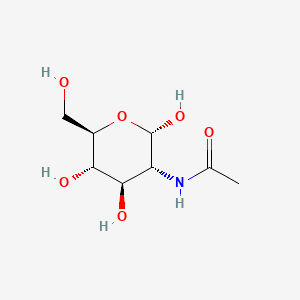
ACETYL GLUCOSAMINE
ACETYL GLUCOSAMINE
active
View
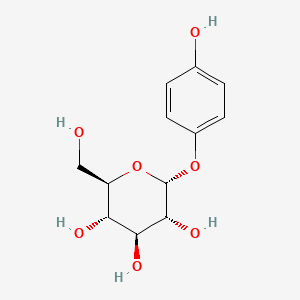
Alpha Arbutin
Alpha Arbutin
active
View
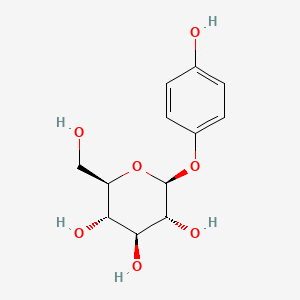
ARBUTIN
ARBUTIN
active
View
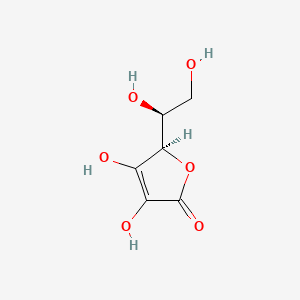
Ascorbic Acid
Ascorbic Acid
active
View
ASCORBYL GLUCOSIDE
ASCORBYL GLUCOSIDE
active
View
Azelaic Acid
Azelaic Acid
active
View
CITRUS LIMON PEEL EXTRACT
active
View
CURCUMA LONGA ROOT EXTRACT
active
View