Mia Seilern
⚠️ Data is provided for informational purposes only. It may contain inaccuracies and should be independently verified. This is not medical advice. Consult a healthcare professional before making health decisions.

Description: SODIUM HYALURONATE — hydration, plumping (salt form of hyaluronic acid, smaller molecule).

All Functions: hydration, plumping (salt form of hyaluronic acid, smaller molecule)

Quick Facts:

  • Category: humectant

Proven Benefits At A Glance:

  • Sodium hyaluronate is a skin-conditioning ingredient used in cosmetics at concentrations up to 2%
  • It’s a naturally occurring substance found in skin, cartilage, and joints
  • Extensive safety testing shows it’s non-toxic, non-allergenic, and safe for cosmetic use
  • Research suggests it can improve skin hydration, elasticity, and skin thickness when taken orally
  • It may help reduce water loss from skin and has antioxidant properties
Safety: Generally Low ConcernResearch confidence: Good

Safety tier is a starting heuristic from regulatory status and comedogenic rating, not a dermatological verdict — see our Terms for the full disclaimer. Research confidence reflects how many real cited studies back this ingredient, not the strength of their findings.

🧪 SODIUM HYALURONATE

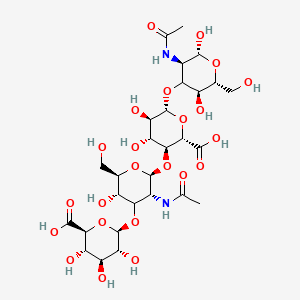
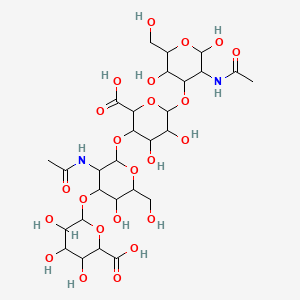
Chemical structure of SODIUM HYALURONATE

SODIUM HYALURONATE

CAS Number: 9067-32-7

Also Known As:

Category: humectant

EC Number:

Korean Name: 소듐하이알루로네이트

Hyaluronic acid, sodium, salt

SODIUM HYALURONATE is a humectant ingredient used in skincare formulations.

hydrationplumping (salt form of hyaluronic acidsmaller molecule)

🌍 Regulatory Status

EU: No restriction on fileUS: No restriction on file

📊 Comedogenicity

No data yet
Not rated for this ingredient yet.

📚 Research & Evidence

PUBMED CITATIONS
5
Data sources: EU CosIng PubMed

🔬 The Science

Sodium hyaluronate is the salt form of hyaluronic acid, a physiological glycosaminoglycan—essentially a naturally occurring molecule—that your body produces and stores primarily in your skin’s outer and deeper layers, joints, and connective tissue (Ceska Slov Farm, 2017). In skincare products, it functions as a skin conditioning agent and is used at concentrations up to 2% (Int J Toxicol, 2009). #1: Safety Profile. Sodium hyaluronate has an exceptionally well-documented safety record. Comprehensive animal toxicity studies across multiple species and exposure routes found no toxic effects, no immune reactions, no skin sensitization, and no reproductive, developmental, or genetic damage (Int J Toxicol, 2009).

Widespread clinical use via injection has been free of significant adverse reactions, and it is considered safe for cosmetic use as described (Int J Toxicol, 2009). #2: Skin Hydration and Structure. A randomized, double-blind, placebo-controlled trial in 150 healthy adults found that oral sodium hyaluronate supplementation at 120 mg/day significantly enhanced skin hydration and reduced transepidermal water loss (TEWL)—the amount of water evaporating from your skin—compared to placebo over 12 weeks (Sci Rep, 2025). The same dose also increased epidermal thickness (the outer layer of skin) and dermal density (the deeper layer), suggesting it can improve skin structure itself (Sci Rep, 2025).

#3: Elasticity and Fine Lines. The 120 mg/day dose of oral sodium hyaluronate significantly improved skin elasticity and reduced periorbital wrinkle depth—the depth of fine lines around the eyes—versus placebo (Sci Rep, 2025). A lower 60 mg/day dose showed similar but more modest effects (Sci Rep, 2025). #4: Natural Moisturizing Factor. The same trial found that oral sodium hyaluronate increased levels of the skin’s natural moisturizing factor (NMF)—compounds that help skin retain water—as measured in forearm skin samples (Sci Rep, 2025). #5: Antioxidant Activity. Sodium hyaluronate possesses antioxidant activity and plays a critical role in wound healing and cellular processes (Ceska Slov Farm, 2017), though the sources do not detail specific antioxidant mechanisms or benefits in topical skincare products.

Important limitations: The oral supplementation study was conducted only in healthy Caucasian adults, so results may not generalize to other populations (Sci Rep, 2025). No changes were observed for skin color parameters, redness, pore size, or skin gloss in that trial (Sci Rep, 2025). One injectable study combined sodium hyaluronate with multiple other active ingredients (vitamin C, tranexamic acid, glutathione), making it impossible to isolate sodium hyaluronate’s individual contribution (J Dermatolog Treat, 2025).

💧 Skin Type Compatibility

No data yet
Per-skin-type data isn’t curated for this ingredient yet.

⚠️ Don’t Combine With

No data yet
No known incompatibilities on file for this ingredient.

🧴 Products Containing SODIUM HYALURONATE

📄 Related Research

Matched by search — not necessarily verified support for every statement above.

Similar Ingredients

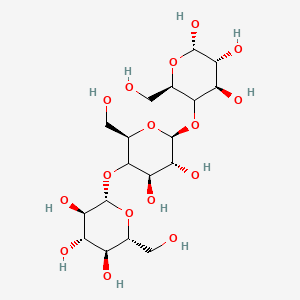
BETA-GLUCAN
BETA-GLUCAN
active
View
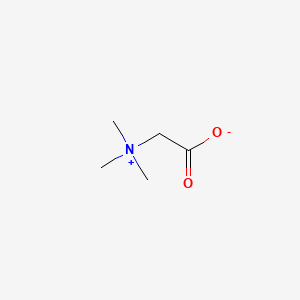
BETAINE
BETAINE
humectant
View
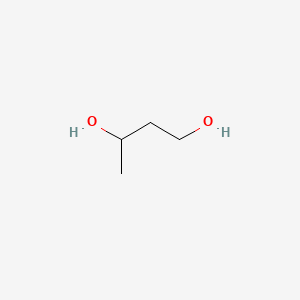
BUTYLENE GLYCOL
BUTYLENE GLYCOL
humectant
View
COCOS NUCIFERA FRUIT EXTRACT
humectant
View
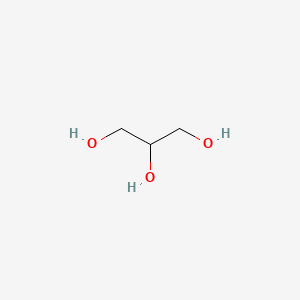
Glycerin
Glycerin
humectant
View
HONEY
HONEY
humectant
View
Hyaluronic Acid
Hyaluronic Acid
active
View
HYDROLYZED COLLAGEN
HYDROLYZED COLLAGEN
humectant
View