Description: PARABENS — gtag(){datalayer.push(arguments);}, preservative.
All Functions: gtag(){datalayer.push(arguments);}, preservative
Quick Facts:
- Category: gtag(){datalayer.push(arguments);}
- Also Known As: Parabènes
Proven Benefits At A Glance:
- Parabens are preservatives used in cosmetics, food, and pharmaceuticals to prevent microbial growth and extend shelf life
- They’ve been widely used for over 70 years
- Parabens are easily absorbed by the human body
- Allergic reactions to parabens are uncommon and have remained stable for decades despite widespread use
- Parabens are classified as endocrine-disrupting chemicals (EDCs), meaning they may interfere with hormone systems
- Some research suggests associations between paraben exposure and osteoarthritis and breast cancer, though evidence remains limited
Safety tier is a starting heuristic from regulatory status and comedogenic rating, not a dermatological verdict — see our Terms for the full disclaimer. Research confidence reflects how many real cited studies back this ingredient, not the strength of their findings.
🧪 PARABENS
PARABENS
CAS Number: —
Also Known As: Parabènes
Category: gtag(){datalayer.push(arguments);}
PARABENS is a gtag(){datalayer.push(arguments);} ingredient used in skincare formulations.
🌍 Regulatory Status
📊 Comedogenicity
📚 Research & Evidence
🔬 The Science
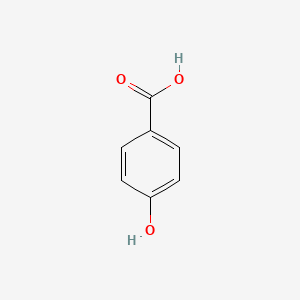
Parabens are a group of preservative chemicals that work by inhibiting microorganism growth, making them useful across cosmetics, food, and pharmaceutical products (Mol Cell Endocrinol, 2018). From an allergy perspective, #1: parabens remain one of the least allergenic preservatives available, with sensitivity frequency remaining low and stable for decades despite their extensive global use (Dermatitis, 2019). Ironically, the public perception that parabens are unsafe has led many companies to replace them with preservatives that actually have greater allergenic potential (Dermatitis, 2019). However, there are legitimate scientific questions about parabens’ effects on body systems. #2: Parabens are easily absorbed through the skin and have been detected in human blood and urine samples, confirming systemic exposure (Mol Cell Endocrinol, 2018; Int J Environ Res Public Health, 2022).
#3: Because parabens are classified as endocrine-disrupting chemicals, researchers are concerned about their potential to interfere with the body’s hormone systems and the various functions those hormones control (Mol Cell Endocrinol, 2018). #4: A 2025 study found positive associations between certain parabens (specifically MeP and PrP) in urine and the prevalence of osteoarthritis, though this was observational research and doesn’t prove causation (Environ Int, 2025). #5: Regarding breast cancer specifically, while parabens have been detected in breast tissue and classified as EDCs, direct evidence linking paraben exposure to breast cancer remains limited (Int J Environ Res Public Health, 2022). Laboratory research suggests parabens may interfere with estrogen-related pathways relevant to breast cancer development, but human epidemiological studies are still needed (Int J Environ Res Public Health, 2022).
In response to these concerns, regulatory authorities worldwide have set maximum allowable concentrations for parabens in cosmetic products (J Cosmet Dermatol, 2022).
💧 Skin Type Compatibility
⚠️ Don’t Combine With
🧴 Products Containing PARABENS
- Laiseven Amor besos y sal gel exfoliante
- Amie naturally, spring clean Deep cleansing Mask
- Dove Dove Body wash
- Dove deep moisture skin-natural nourishers
- bbh
- Suave Radiante Restore Vitamin C
- HPM White Mouth Wash
- Herbal Essence Grapefruit Volume Shampoo
- marc anthony argan shampoo
- dessert essence Bulgarian lavender hand and body lotion
- Shea moisture Anti-Dandruff Shampoo
- Mrs. Meyers Clean Day Dish Soap Refill
- Éminence Organic Skin Care Monoi Age Corrective Exfoliating Cleanser
- Pacha Soap Co Deodorant Stick
- MONDAY Original Dry Shampoo
- Hand In Hand Bar Soap
- st Ives Body Lotion
- Rampal Latour shampoing douche Geneviève PATOU
- Force bio Shampooing Douche Fruits D’été Bio – 1L – Ce’Bio
- astera
📄 Related Research
Matched by search — not necessarily verified support for every statement above.
- Nowak K et al. (2018). Parabens and their effects on the endocrine system. Mol Cell Endocrinol.
- Fransway AF et al. (2019). Parabens. Dermatitis.
- Yang X et al. (2025). Associations of phenols, parabens, and phthalate compounds related to personal care products with osteoarthritis: evidence from population-based and network toxicology studies. Environ Int.
- Hager E et al. (2022). Minireview: Parabens Exposure and Breast Cancer. Int J Environ Res Public Health.
- Al-Halaseh LK et al. (2022). Implication of parabens in cosmetics and cosmeceuticals: Advantages and limitations. J Cosmet Dermatol.
Similar Ingredients


📰 More News
-
The CCL20-CCR6 axis predominantly drives IL-17-mediated psoriasis while modestly contributing to papain-induced type 2 inflammation
PubMed · 23 days ago
-
SkinCeuticals Just Reformulated Its C E Ferulic Serum
Allure · 14 days ago
-
Are Sunscreen Oils Just Tanning Oils in Disguise? Experts Weigh In
Allure · 14 days ago
-
Update to RIFM fragrance ingredient safety assessment, propenylguaethol, CAS Registry Number 94-86-0
PubMed · 14 days ago
-
Earth Harbor Obscura Night Repair Concentrate Review
Allure · 13 days ago
-
Okay, We’ll Bite: Fruity Perfumes Are Cool
Allure · 13 days ago