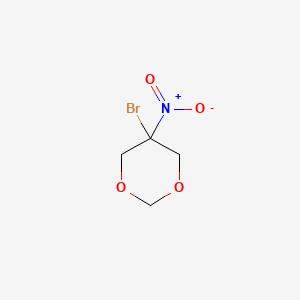
5-BROMO-5-NITRO-1,3-DIOXANE
CAS 30007-47-7 · preservative · EC 250-001-7 · KR 5-브로모-5-나이트로-1,3-디옥산
5-bromo-5-nitro-1,3-dioxane
5-BROMO-5-NITRO-1,3-DIOXANE is a preservative ingredient used in skincare formulations.
Quick facts
Description: 5-BROMO-5-NITRO-1,3-DIOXANE — PRESERVATIVE.
All Functions: PRESERVATIVE
Quick Facts:
- Category: preservative
Proven Benefits At A Glance:
- 5-Bromo-5-nitro-1,3-dioxane (bronidox) is a bromine-containing preservative used in rinse-off cosmetics like shampoos and body cleansers
- It is subject to restrictions under European cosmetic regulations
- The European maximum authorized concentration is 0.1%
- It is detected using specialized analytical chemistry methods
Chemical Overview
The evidence at hand indicates 5-Bromo-5-Nitro-1,3-Dioxane to be safe as a cosmetic ingredient at concentrations up to and including 0.1 percent except under circumstances where its action with amines or amides can result in the formation of nitrosamines or nitrosamides. Bronidox is an organobromide that is a nitrobromo derivative of dioxane. It is used as a stabilizer, surfacant, bactericide, and a preservative in immunology and cosmetics. It is corrosive to metals. Bronidox has been used in cosmetics since the mid-1970s as preservative for shampoos and foam baths. structure in first source
Source(s): Toxin and Toxin Target Database (T3DB), Medical Subject Headings (MeSH), Cosmetic Ingredient Review (CIR), via PubChem
Comedogenicity
Similar Ingredients

📰 More News
-
The CCL20-CCR6 axis predominantly drives IL-17-mediated psoriasis while modestly contributing to papain-induced type 2 inflammation
PubMed · Jul 11, 2026
-
SkinCeuticals Just Reformulated Its C E Ferulic Serum
Allure · Jul 20, 2026
-
Are Sunscreen Oils Just Tanning Oils in Disguise? Experts Weigh In
Allure · Jul 20, 2026
-
Update to RIFM fragrance ingredient safety assessment, propenylguaethol, CAS Registry Number 94-86-0
PubMed · Jul 20, 2026
-
Earth Harbor Obscura Night Repair Concentrate Review
Allure · Jul 21, 2026
-
Okay, We’ll Bite: Fruity Perfumes Are Cool
Allure · Jul 21, 2026