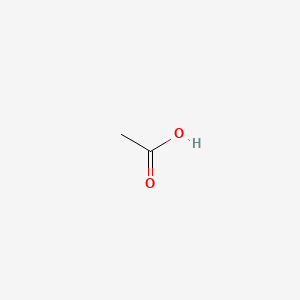
Description: ACETIC ACID — BUFFERING, FRAGRANCE.
All Functions: BUFFERING, FRAGRANCE
Quick Facts:
- Category: other
Proven Benefits At A Glance:
- Acetic acid is a compound produced naturally by bacteria on your skin
- Research shows acetic acid has antimicrobial and antioxidant properties
- Vinegar (which contains acetic acid) has been studied for wound care, bacterial and fungal infections, itching, and head lice
- Acetic acid can affect fungal organisms on the skin by altering their gene activity
- Vinegar is generally safe but can damage skin if misused
Safety tier is a starting heuristic from regulatory status and comedogenic rating, not a dermatological verdict — see our Terms for the full disclaimer. Research confidence reflects how many real cited studies back this ingredient, not the strength of their findings.
🧪 ACETIC ACID
ACETIC ACID
CAS Number: 64-19-7
Also Known As: —
Category: other
EC Number: 200-580-7
Korean Name: 아세틱애씨드
Acetic acid
ACETIC ACID is an other ingredient used in skincare formulations.
🌍 Regulatory Status
📊 Comedogenicity
📚 Research & Evidence
🔬 The Science
Acetic acid is a naturally occurring compound on human skin, where it is produced by bacteria like Staphylococcus epidermidis as part of normal skin microbiome function (mBio, 2025). #1: The ingredient possesses antimicrobial and antioxidant properties that make it useful in wound care and against bacterial and fungal infections (Int J Dermatol, 2022). #2: Research supports its use in treating itching (pruritus), head lice removal, and stretch marks (striae gravidarum), though the sources reviewed here don’t detail the specific mechanisms or efficacy rates for these uses (Int J Dermatol, 2022). #3: At a cellular level, acetic acid acts as an epigenetic modulator—meaning it can influence how genes are expressed in fungal organisms like Malassezia restricta without changing the DNA itself.
When acetic acid comes into contact with these fungi, it triggers large-scale reorganization of their chromatin (the structure that packages DNA) and suppresses genes involved in metabolism and virulence, effectively reducing the fungus’s ability to cause problems (mBio, 2025). Importantly, this effect is specific to acetic acid and does not occur with other acids like hydrochloric acid, suggesting the compound has unique biological activity (mBio, 2025). #4: While generally safe for skin use, improper application of acetic acid or vinegar can result in skin damage, so dermatologists recommend proper guidance on safe and appropriate use (Int J Dermatol, 2022). The research base for acetic acid in skincare is limited to these applications; claims beyond antimicrobial, antioxidant, and antifungal effects are not supported by the sources provided here.
💧 Skin Type Compatibility
⚠️ Don’t Combine With
🧴 Products Containing ACETIC ACID
- Cien VitalBeauty Dia
- Essence mySKIN PERFECTOR
- Anti-Tage Spezialcreme
- sophora japonica day cream
- Natura Siberica Shamppoing cheveux colorés et abimés
- Hair System by Watsons Micellar Botanical Purifying Shampoo
- L’Oréal, L’Oreal Luxe, The Body Shop ALMOND MILK & HONEY For Sensitive, Dry Skin
- MyProtein Hair & body wash
- Bulldog Soin Hydratant Peau Sensible Baobab Avoine Epilobe
- MAN CAVE Lemon & Oak SHOWER GEL
- UpCircle Coffee Face Scrub Citrus Blend For Dry Skin
- Bulldog,Wilkinson Sword Bull Dog Hautpflege Original After Shave Balsam + Aloe Vera
- Apivita Shower gel with essential oils- refreshing fig
- Monte dos bens Creme para mãos
- L’OREAL NORGE AS Excellence 10 Ekstra Lys Blond
- L’OREAL NORGE AS Excellence 9 Meget Lys Blond
- BIO, Monsavon Monsavon BIO Déodorant Femme Bille Lait d’Amande 50ml
- Nacomï White Black Face Mask
- Hyderma Lait Hydratant
- Änglamark Änglamark Sun Lotion, SPF15
📄 Related Research
Matched by search — not necessarily verified support for every statement above.
- Elhage KG et al. (2022). Acetic acid and the skin: a review of vinegar in dermatology. Int J Dermatol.
- Shan L (2004). GKVLAK–(Gadolinium-(1,4,7,10-tetraazacyclododecane-1,4,7-tris(acetic acid t-butyl ester)-10-acetic acid monoamide))–GGGGTVQQEL. a peer-reviewed journal.
- Gullo M et al. (2018). Biotechnological production of cellulose by acetic acid bacteria: current state and perspectives. Appl Microbiol Biotechnol.
- Lee JM et al. (2025). Acetic acid produced by Staphylococcus epidermidis remodels chromatin architecture and suppresses gene expression in Malassezia restricta. mBio.
- Lee JY et al. (2023). Aminooxy acetic acid suppresses Th17-mediated psoriasis-like skin inflammation by inhibiting serine metabolism. Front Pharmacol.
Similar Ingredients
📰 More News
-
Bakuchiol: From structural mimicry to systems-level skin biology
PubMed · Jun 2, 2026
-
Rosacea Skincare Including Moisturizers, Serums & Prescribed Creams
The Derm Review · Jun 4, 2026
-
The impact of avobenzone and oxybenzone on fibroblast and keratinocyte membranes. Searching for the role of lipids in the effect of UV filters on skin cells
PubMed · Jun 5, 2026
-
The Best Firming Tightening Anti Aging Body Lotions. For loss of firmness, crepey skin and wrinkles.
The Derm Review · Jun 12, 2026
-
14 of the Best Eczema Creams to Soothe Compromised Skin
The Derm Review · Jun 13, 2026
-
How To Get Rid of Age Spots, Dark Spots & Liver Spots on Hands, Arms, Legs, Body, Face
The Derm Review · Jun 13, 2026