Mia Seilern
⚠️ Data is provided for informational purposes only. It may contain inaccuracies and should be independently verified. This is not medical advice. Consult a healthcare professional before making health decisions.

Description: Cocamidopropyl Betaine — cleansing, foaming.

All Functions: cleansing, foaming

Quick Facts:

  • Category: surfactant
  • Comedogenic Rating: 0/5

Proven Benefits At A Glance:

  • Cocamidopropyl betaine (CAPB) is a synthetic detergent derived from coconut oil, widely used in shampoos, cleansers, and other personal care products
  • It’s classified as an amphoteric surfactant, meaning it can act as both a cleanser and a foam booster
  • CAPB is known to cause mild skin irritation and eye irritation in safety testing
  • Allergic reactions to CAPB are relatively uncommon but well-documented, with contact sensitization rates estimated between 3.0–7.2%
  • Manufacturing impurities—not necessarily CAPB itself—may be responsible for most allergic reactions
  • Allergic reactions most commonly appear on the head and neck, or as occupational hand dermatitis in hairdressers
  • CAPB is considered safe for cosmetic use at current concentrations (up to 30% in rinse-off products, 6% in leave-on products)
Safety: Generally Low ConcernResearch confidence: Good

Safety tier is a starting heuristic from regulatory status and comedogenic rating, not a dermatological verdict — see our Terms for the full disclaimer. Research confidence reflects how many real cited studies back this ingredient, not the strength of their findings.

Pregnancy safe

🧪 Cocamidopropyl Betaine

Chemical structure of Cocamidopropyl Betaine

Cocamidopropyl Betaine

CAS Number: 97862-59-4 (generic)/61789-40-0/70851-07-9/83138-08-3

Also Known As:

Category: surfactant

EC Number: -/263-058-8/274-923-4/-

Korean Name: 코카미도프로필베타인

Cocamidopropyl Betaine is the zwitterion (inner salt) that conforms generally to the formula:

Cocamidopropyl Betaine is a surfactant ingredient used in skincare formulations.

cleansingfoaming

🌍 Regulatory Status

EU: No restriction on fileUS: No restriction on file

📊 Comedogenicity

⬜⬜⬜⬜⬜

0/5

📚 Research & Evidence

PUBMED CITATIONS
5
Data sources: EU CosIng PubMed

🔬 The Science

Cocamidopropyl betaine is a synthetic detergent classified as amphoteric, meaning it has both positively and negatively charged properties that allow it to function as a cleanser and foam booster (Dermatitis, 2008; Toxicol Res, 2024). It is derived from coconut oil and used in a wide range of personal care products including shampoos, shower gels, contact lens solutions, toothpaste, makeup removers, bath gels, and liquid soaps, typically at concentrations up to 30% in rinse-off formulations (Dermatitis, 2008; Toxicol Res, 2024). Regarding safety: #1: CAPB induces mild skin irritation and eye irritation in laboratory testing, along with skin sensitization potential (Toxicol Res, 2024).

#2: Safety margin calculations show that CAPB is considered safe for cosmetic use at current concentrations—the margin of safety exceeds 100 when used at up to 6% in leave-on products and 30% in rinse-off products, based on systemic exposure estimates from cosmetic use (Toxicol Res, 2024). Concerning allergic reactions: #3: Contact sensitization to CAPB-containing products occurs in an estimated 3.0–7.2% of individuals, leading to its designation as Allergen of the Year in 2004 (Dermatitis, 2008). #4: Allergic contact dermatitis from CAPB is most commonly seen in a head and neck distribution pattern, though other patterns have been observed (Am J Contact Dermat, 2001).

#5: Occupational allergic contact dermatitis is particularly common in hairdressers exposed to CAPB-containing shampoos and other professional products, typically manifesting as hand dermatitis (Contact Dermatitis, 1995; Contact Dermatitis, 2012). Importantly, the actual allergen may not be CAPB itself: #6: Manufacturing impurities such as amidoamine, dimethylaminopropylamine, and cocamidopropyl dimethylamine are thought to play a significant role in sensitization (Dermatitis, 2008; Contact Dermatitis, 2012). #7: Recent occupational health data suggest that CAPB itself is probably not an allergen, with allergic patch test reactions predominantly triggered by these impurity compounds rather than the final CAPB compound (Contact Dermatitis, 2012). However, the sources acknowledge that distinguishing reactions to CAPB from reactions to its impurities is difficult in practice, particularly because irritant reactions (which occur in 39% of patch-tested individuals) can complicate interpretation (Contact Dermatitis, 2012).

The evidence shows allergic reactions are possible but relatively rare in non-occupational contexts, whereas occupational exposure—particularly among hairdressers—presents a higher risk.

💧 Skin Type Compatibility

90%
Sensitive
96%
Oily
94%
Dry
95%
Combination
96%
Acne-prone
95%
Normal

Derived from this ingredient’s irritancy potential and comedogenicity rating against the needs of each skin type — e.g. oily and acne-prone skin are marked down for pore-clogging ingredients, sensitive skin for irritants. A starting heuristic, not a dermatological verdict.

⚠️ Don’t Combine With

No data yet
No known incompatibilities on file for this ingredient.

🧴 Products Containing Cocamidopropyl Betaine

📄 Related Research

Matched by search — not necessarily verified support for every statement above.

Similar Ingredients

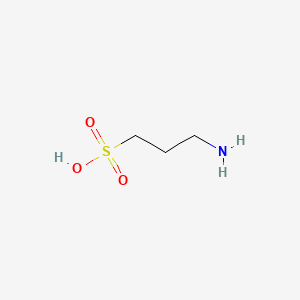
3-AMINOPROPANE SULFONIC ACID
surfactant
View
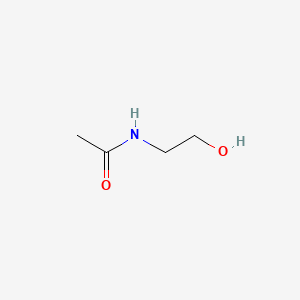
ACETAMIDE MEA
ACETAMIDE MEA
humectant
View
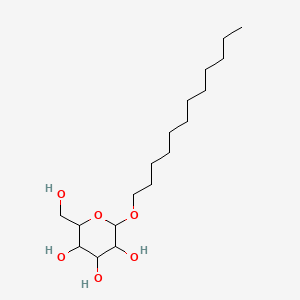
COCO-GLUCOSIDE
COCO-GLUCOSIDE
surfactant
View
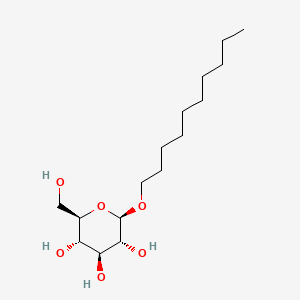
DECYL GLUCOSIDE
DECYL GLUCOSIDE
surfactant
View
DISODIUM COCOAMPHODIACETATE
surfactant
View
LAURIC ACID
LAURIC ACID
surfactant
View
LAURYL GLUCOSIDE
LAURYL GLUCOSIDE
surfactant
View
SODIUM COCOAMPHOACETATE
surfactant
View