Mia Seilern
⚠️ Data is provided for informational purposes only. It may contain inaccuracies and should be independently verified. This is not medical advice. Consult a healthcare professional before making health decisions.

Description: COCO-GLUCOSIDE — gentle cleansing, foaming (coconut-derived).

All Functions: gentle cleansing, foaming (coconut-derived)

Quick Facts:

  • Category: surfactant

Proven Benefits At A Glance:

  • Coco-glucoside is a nonionic surfactant (a type of cleansing agent) used to stabilize emulgels—creamy skincare formulations
  • Research shows it helps create stable, well-mixed products that don’t separate over time
  • It was tested in formulations designed to deliver probiotics to skin
  • It’s gentle enough to maintain a skin-friendly pH range (3.55–5.64) in the products studied
Safety: Generally Low ConcernResearch confidence: Fair

Safety tier is a starting heuristic from regulatory status and comedogenic rating, not a dermatological verdict — see our Terms for the full disclaimer. Research confidence reflects how many real cited studies back this ingredient, not the strength of their findings.

Pregnancy safe

🧪 COCO-GLUCOSIDE

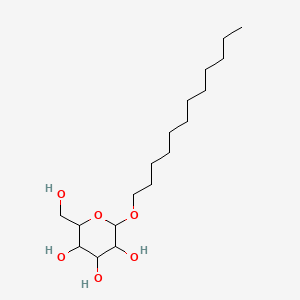
Chemical structure of COCO-GLUCOSIDE

COCO-GLUCOSIDE

CAS Number: 110615-47-9

Also Known As:

Category: surfactant

Korean Name: 코코-글루코사이드

Coco-Glucoside is the product obtained by the condensation of coconut alcohol with glucose.

COCO-GLUCOSIDE is a surfactant ingredient used in skincare formulations.

gentle cleansingfoaming (coconut-derived)

🌍 Regulatory Status

EU: No restriction on fileUS: No restriction on file

📊 Comedogenicity

No data yet
Not rated for this ingredient yet.

📚 Research & Evidence

PUBMED CITATIONS
1
Data sources: EU CosIng PubMed

🔬 The Science

Coco-glucoside (CG) is a naturally derived surfactant—basically a molecule that helps oil and water mix together. In skincare, that’s important because many beneficial ingredients don’t naturally blend, so you need an emulsifier to hold them in place. In a 2025 study published in the International Journal of Pharmacy, researchers used coco-glucoside as the primary emulsifier in experimental skincare gels called emulgels (Int J Pharm, 2025). These formulations were designed to deliver probiotics—beneficial bacteria like Lactobacillus species—to the skin alongside other skin-supporting ingredients like inulin and lactobionic acid. #1: The coco-glucoside helped keep these complex formulations stable and prevented phase separation (where ingredients separate into layers) during storage and stress testing, including temperature changes and centrifugation (Int J Pharm, 2025).

#2: Products formulated with coco-glucoside maintained a skin-compatible pH range between 3.55 and 5.64, which is important because skin is naturally slightly acidic (Int J Pharm, 2025). #3: The formulations remained stable enough to preserve the viability of live probiotics for up to 11 days, suggesting coco-glucoside supports a protective environment for sensitive active ingredients (Int J Pharm, 2025). It’s worth noting: the research available is limited to one formulation study. While the results are promising for this specific use case—delivering probiotics and prebiotics—broader claims about coco-glucoside’s standalone benefits aren’t supported by these sources.

💧 Skin Type Compatibility

100%
Sensitive
100%
Oily
100%
Dry
100%
Combination
100%
Acne-prone
100%
Normal

Derived from this ingredient’s irritancy potential and comedogenicity rating against the needs of each skin type — e.g. oily and acne-prone skin are marked down for pore-clogging ingredients, sensitive skin for irritants. A starting heuristic, not a dermatological verdict.

⚠️ Don’t Combine With

No data yet
No known incompatibilities on file for this ingredient.

🧴 Products Containing COCO-GLUCOSIDE

📄 Related Research

Matched by search — not necessarily verified support for every statement above.

Similar Ingredients

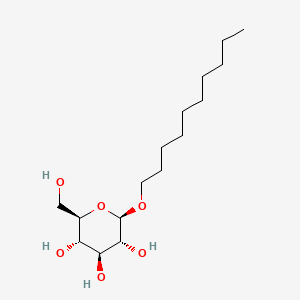
DECYL GLUCOSIDE
DECYL GLUCOSIDE
surfactant
View
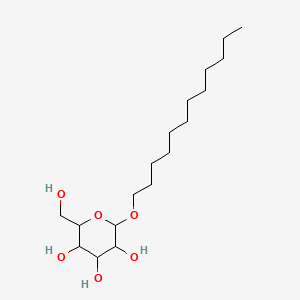
LAURYL GLUCOSIDE
LAURYL GLUCOSIDE
surfactant
View
SODIUM COCOAMPHOACETATE
surfactant
View
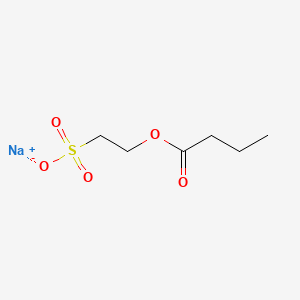
SODIUM COCOYL ISETHIONATE
surfactant
View
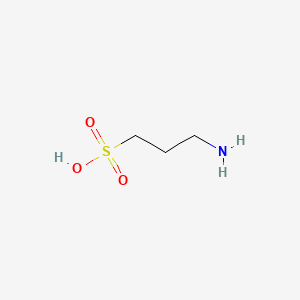
3-AMINOPROPANE SULFONIC ACID
surfactant
View
ABIETIC ACID
ABIETIC ACID
surfactant
View
ACACIA SEYAL GUM OCTENYLSUCCINATE
surfactant
View
CETEARETH-20
CETEARETH-20
surfactant
View