Mia Seilern
⚠️ Data is provided for informational purposes only. It may contain inaccuracies and should be independently verified. This is not medical advice. Consult a healthcare professional before making health decisions.

Description: DECYL GLUCOSIDE — gentle cleansing, foaming (sugar-derived).

All Functions: gentle cleansing, foaming (sugar-derived)

Quick Facts:

  • Category: surfactant

Proven Benefits At A Glance:

  • Decyl glucoside is a non-ionic surfactant (a cleaning agent) used in cosmetics
  • Safety panels have concluded it’s safe at current cosmetic use levels when formulated to avoid irritation
  • Your skin naturally breaks it down into fatty acids and glucose
  • It remains stable across different water hardness, pH, and temperature conditions
  • It’s considered more environmentally stable than some other common surfactants
Safety: Generally Low ConcernResearch confidence: Good

Safety tier is a starting heuristic from regulatory status and comedogenic rating, not a dermatological verdict — see our Terms for the full disclaimer. Research confidence reflects how many real cited studies back this ingredient, not the strength of their findings.

Pregnancy safe

🧪 DECYL GLUCOSIDE

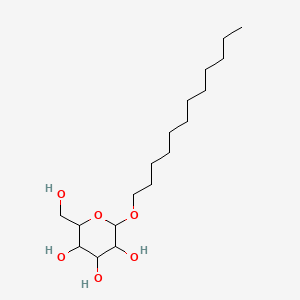
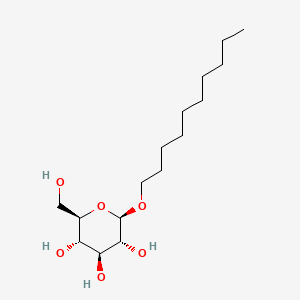
Chemical structure of DECYL GLUCOSIDE

DECYL GLUCOSIDE

CAS Number: 54549-25-6; 58846-77-8; 141464-42-8; 68515-73-1

Also Known As:

Category: surfactant

EC Number: 259-218-1

Korean Name: 데실글루코사이드

D-Glucoside, Decyl

DECYL GLUCOSIDE is a surfactant ingredient used in skincare formulations.

gentle cleansingfoaming (sugar-derived)

🌍 Regulatory Status

EU: No restriction on fileUS: No restriction on file

📊 Comedogenicity

No data yet
Not rated for this ingredient yet.

📚 Research & Evidence

PUBMED CITATIONS
5
Data sources: EU CosIng PubMed

🔬 The Science

Decyl glucoside is a type of surfactant, which means it helps oils and water mix together in skincare products—a key job in cleansers and other formulations. The Cosmetic Ingredient Review (CIR) Expert Panel assessed the safety of decyl glucoside alongside 18 other alkyl glucosides and determined they are safe in cosmetics as currently used (Int J Toxicol, 2013). #1: The Panel’s confidence partly rests on the fact that your skin contains enzymes called glucoside hydrolases that naturally break down these ingredients into their component parts—fatty acids and glucose—which the body already knows how to handle. #2: Beyond safety, decyl glucoside functions primarily as a surfactant but can also condition skin or hair and stabilize emulsions (mixtures of oil and water).

One important practical advantage: decyl glucoside is unusually stable. A recent systematic comparison tested how three common surfactants held up under real-world conditions—different water hardness, pH levels, and temperatures (RSC Adv, 2026). #3: While anionic surfactants like Sodium Lauryl Ether Sulfate showed significant sensitivity to hard water (their surface tension increased from 32.5 to 36.8 mN/m and their critical micelle concentration jumped from 0.25 to 0.45 mM), decyl glucoside maintained stable behavior with a consistent critical micelle concentration around 1.0 mM regardless of ionic stress or temperature swings. The reason: decyl glucoside’s non-ionic structure (lacking electrical charge) prevents it from binding to minerals in hard water, keeping it performing consistently.

This stability is cited as making it an ideal choice for eco-friendly formulations (RSC Adv, 2026).

💧 Skin Type Compatibility

100%
Sensitive
100%
Oily
100%
Dry
100%
Combination
100%
Acne-prone
100%
Normal

Derived from this ingredient’s irritancy potential and comedogenicity rating against the needs of each skin type — e.g. oily and acne-prone skin are marked down for pore-clogging ingredients, sensitive skin for irritants. A starting heuristic, not a dermatological verdict.

⚠️ Don’t Combine With

No data yet
No known incompatibilities on file for this ingredient.

🧴 Products Containing DECYL GLUCOSIDE

📄 Related Research

Matched by search — not necessarily verified support for every statement above.

Similar Ingredients

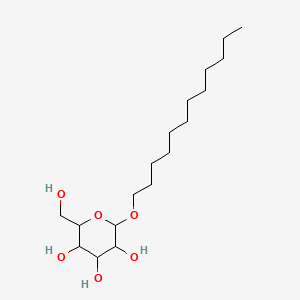
COCO-GLUCOSIDE
COCO-GLUCOSIDE
surfactant
View
LAURYL GLUCOSIDE
LAURYL GLUCOSIDE
surfactant
View
SODIUM COCOAMPHOACETATE
surfactant
View
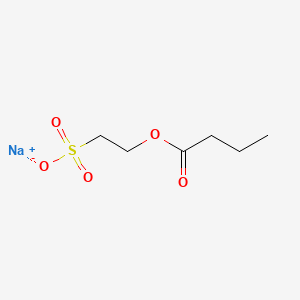
SODIUM COCOYL ISETHIONATE
surfactant
View
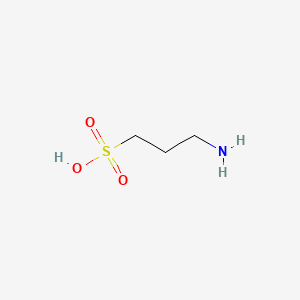
3-AMINOPROPANE SULFONIC ACID
surfactant
View
ABIETIC ACID
ABIETIC ACID
surfactant
View
ACACIA SEYAL GUM OCTENYLSUCCINATE
surfactant
View
CETEARETH-20
CETEARETH-20
surfactant
View